
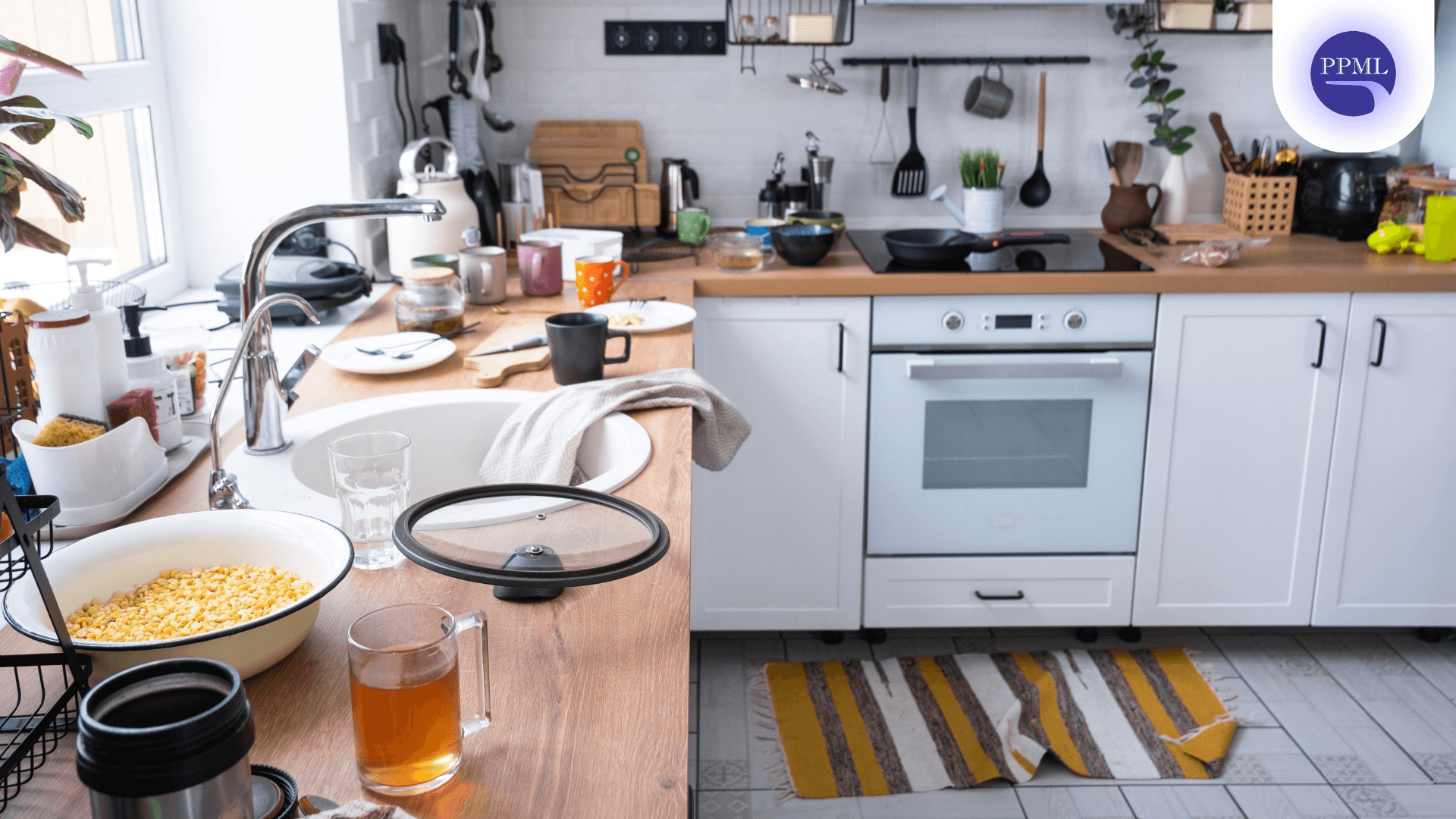
Kitchen packing looks easy… until you actually start.
You open one cabinet thinking you’ll “just begin,” and suddenly you’re standing there holding three unmatched lids, an expired haldi packet, and a glass you forgot you owned.
That’s when it hits – you’re not packing things, you’re sorting years of small decisions.
And unlike the rest of the house, the kitchen doesn’t follow a system. It’s daily-use chaos. Which is exactly why most people either rush it… or get overwhelmed halfway.
If there’s one part of relocation where things go wrong quietly, it’s here.
Table of Contents
ToggleDon’t Start Packing. Start Removing.
Most people make the same mistake – they begin with packing.
Wrong starting point.
First, you remove.
Because the kitchen hides the most unnecessary volume in the house:
- duplicate containers
- cracked bowls kept “just in case”
- expired spices you stopped using months ago
And here’s something nobody says directly – you don’t need to move everything you own.
In fact, moving fewer things makes everything else easier :
- less packing
- less risk
- lower cost
- faster unpacking
If an item hasn’t been used in months, it probably doesn’t deserve truck space.
The Liquid Problem Nobody Plans For
Oil bottles, खुले मसाले, sauces – these are small, but they cause big problems.
They don’t look risky while packing. They leak during movement.
And when they do, it’s never just one item. It spreads. It stains. It ruins whatever is nearby.
What usually works better :
- either finish them before moving
- or seal them like you don’t trust them (because you shouldn’t)
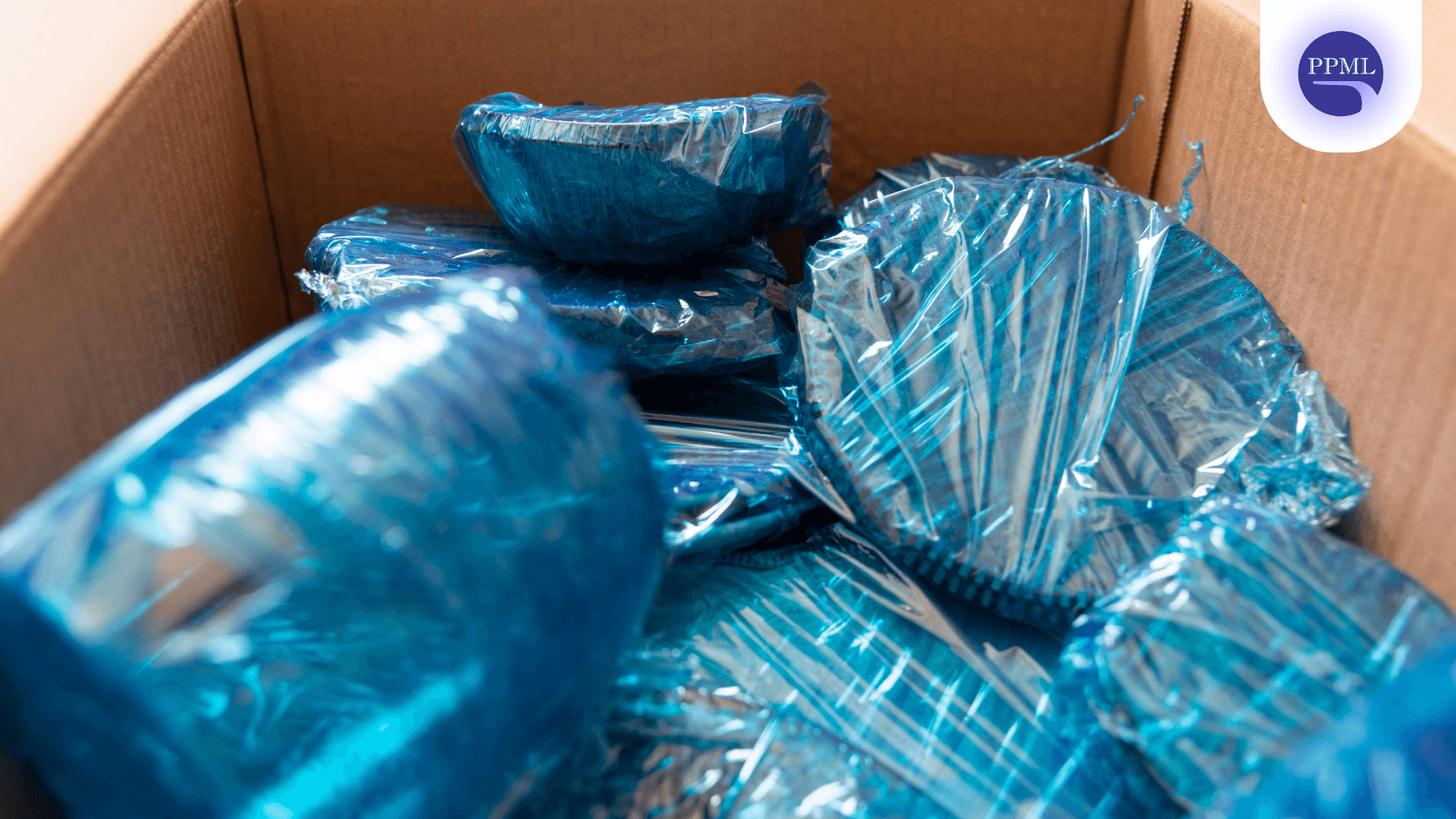
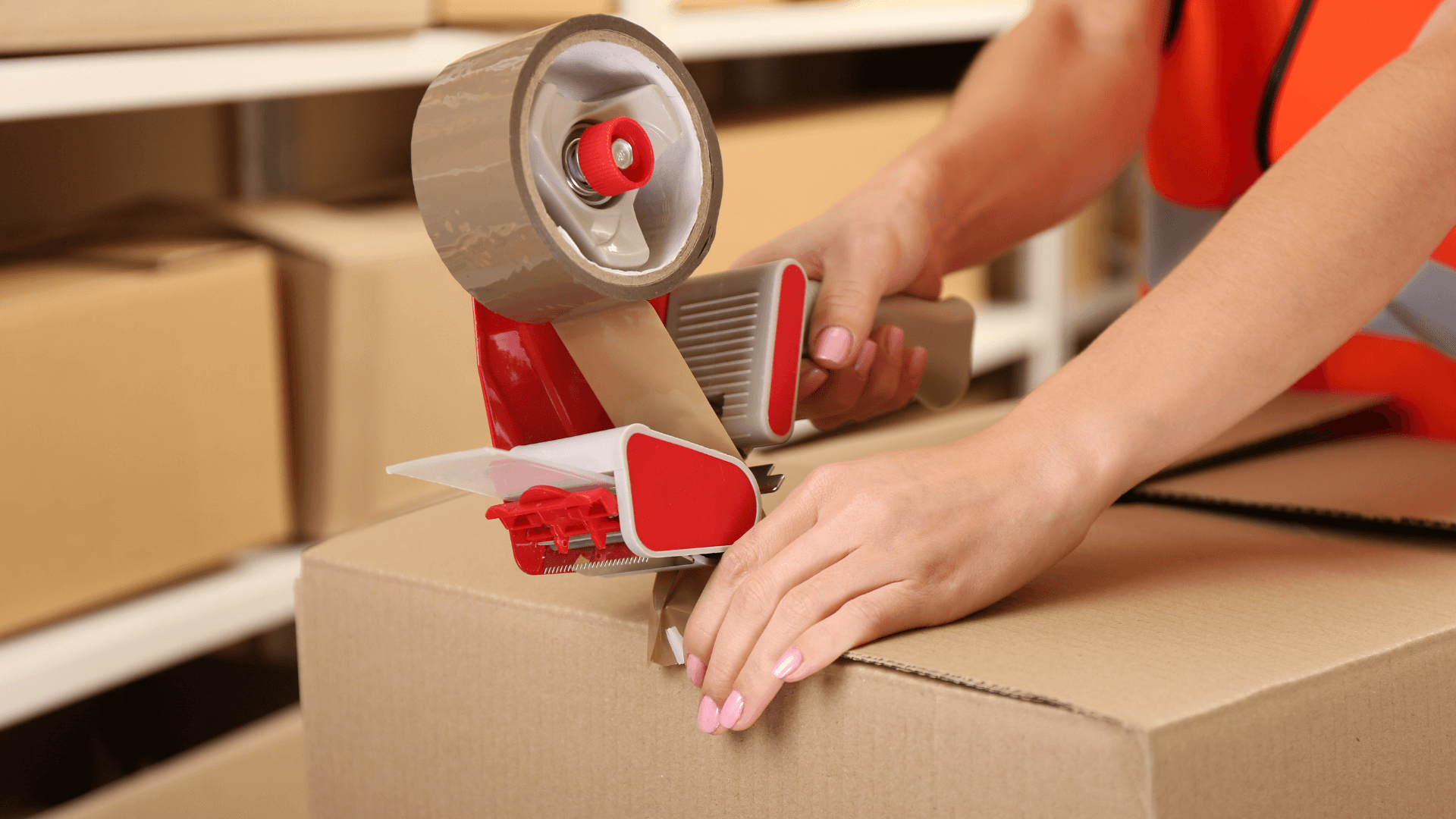
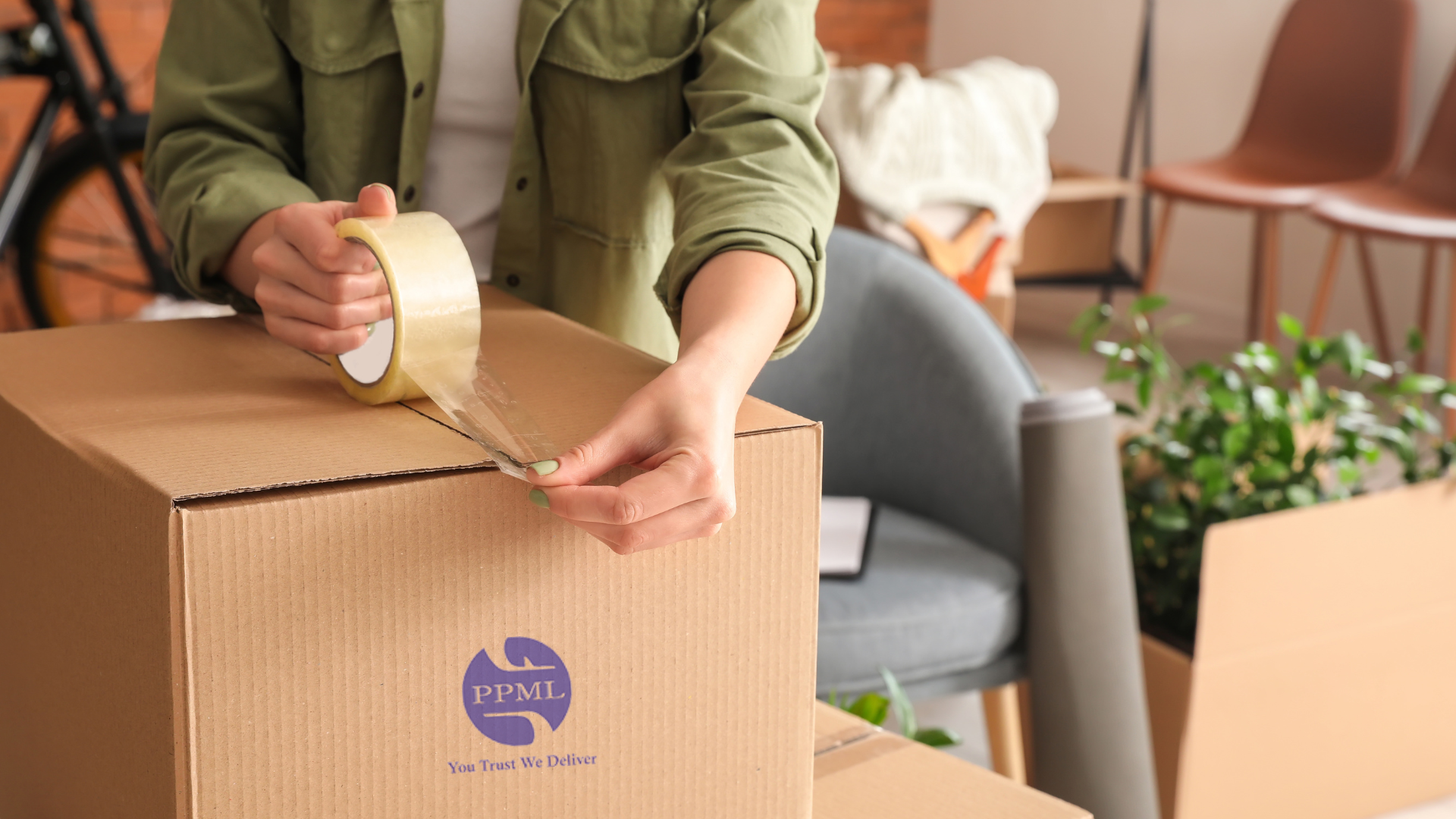
Plastic wrap around the lid. Then tape. Then keep them upright.
And still – keep them separate.
Appliances Are Not Fragile. They’re Sensitive.
There’s a difference.
A glass breaks on impact.
A mixer or microwave gets damaged when it shifts inside the box.
That’s why original boxes matter more than people think.
If you still have them, use them. No debate.
If not :
- tight fit
- heavy cushioning
- zero empty space inside
Because movement inside the box is what causes damage – not just external shocks.
Packing Takes Time Because Decisions Take Time
People underestimate this part.
It’s not the wrapping that slows you down.
It’s deciding :
“Should I keep this?”
“Is this worth carrying?”
“Will I use this there?”
And that’s why kitchen packing always spills into the last day.
If you start late, you don’t get time to decide.
You just pack everything and move on.
Which is how clutter travels with you.
Don’t Mix Logic Just to Save One Box
This happens a lot.
You see empty space in a box and think, “Let me just fit this in.”
So now you have :
- steel utensils
- glass bowls
- random items
All in one box.
Looks efficient. Travels badly.
Kitchen packing works better when you keep things similar :
- fragile with fragile
- heavy with heavy
- daily-use separate
Otherwise, unpacking becomes a mess – and damage risk goes up.
Labeling Feels Like Extra Work… Until It’s Not
After moving, the first thing people want is simple : make tea, eat something, find basic stuff.
But when every box just says “Kitchen,” you’re guessing.
And guessing means opening everything.
A little extra effort while packing saves a lot of irritation later :
- “Daily use”
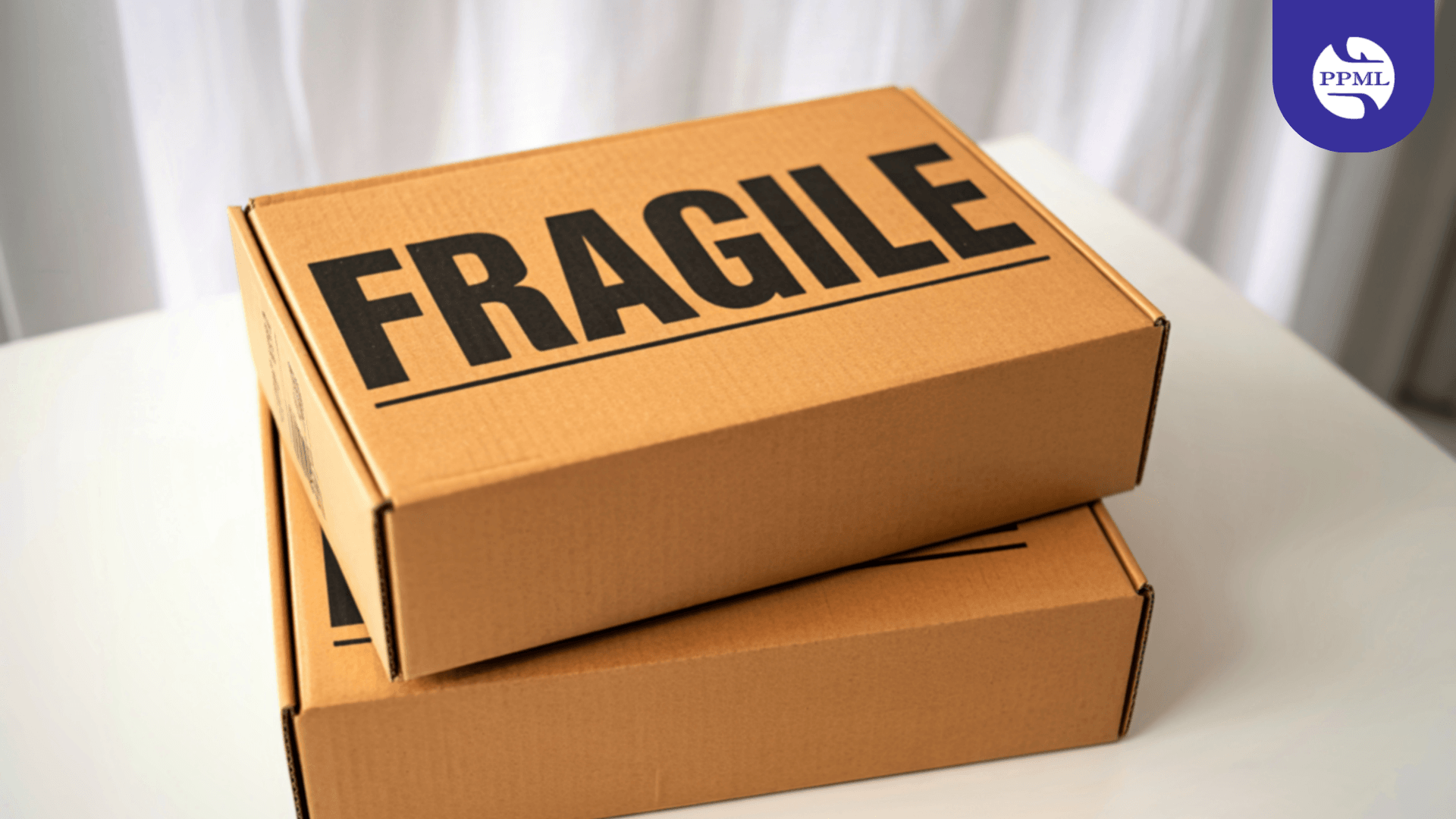
- “Glass – Fragile”
- “Appliances”
Also – keep one box aside that doesn’t go into the truck chaos.
Your first-day survival box :
- basic utensils
- lighter
- snacks
- one pan
- tea/coffee
That one box changes your first night completely.
You Don’t Need to Pack the Kitchen in One Go
Break it.
Start with things you won’t use for a few days :
- extra utensils
- rarely used appliances
- storage items
Then slowly move toward daily-use items.
Trying to pack everything in one stretch is where stress builds.
If Movers Are Handling It, Still Stay Involved
Even good packers work fast.
And speed is not always your friend with kitchen items.
So stay around :
- point out fragile items
- separate things beforehand
- check how they’re wrapping
You don’t need to control everything. Just guide what matters.
Final Thought
Kitchen packing isn’t about technique. It’s about attention.
The people who struggle the most are usually the ones who :
- delay it
- rush it
- or don’t question what they’re packing
Do it a little slower, a little more consciously, and everything after that – loading, moving, unpacking – just becomes easier.
It’s one of those things that feels small while doing… but affects the entire moving experience.
Read More Helpful Relocation Articles
PEOPLE ALSO ASK
Starting too late and packing everything without sorting. This leads to clutter, higher costs, and disorganized unpacking.
Seal liquid containers tightly using plastic wrap and tape, and always pack them separately in upright positions.
No. It’s better to remove unused, expired, or low-value items before packing to reduce load and cost.
Use original boxes if available. Otherwise, use tight cartons with enough cushioning and no empty space to prevent movement.
Basic utensils, a pan, lighter, snacks, and tea/coffee – items you’ll need immediately on the first day.
Leave a Reply