
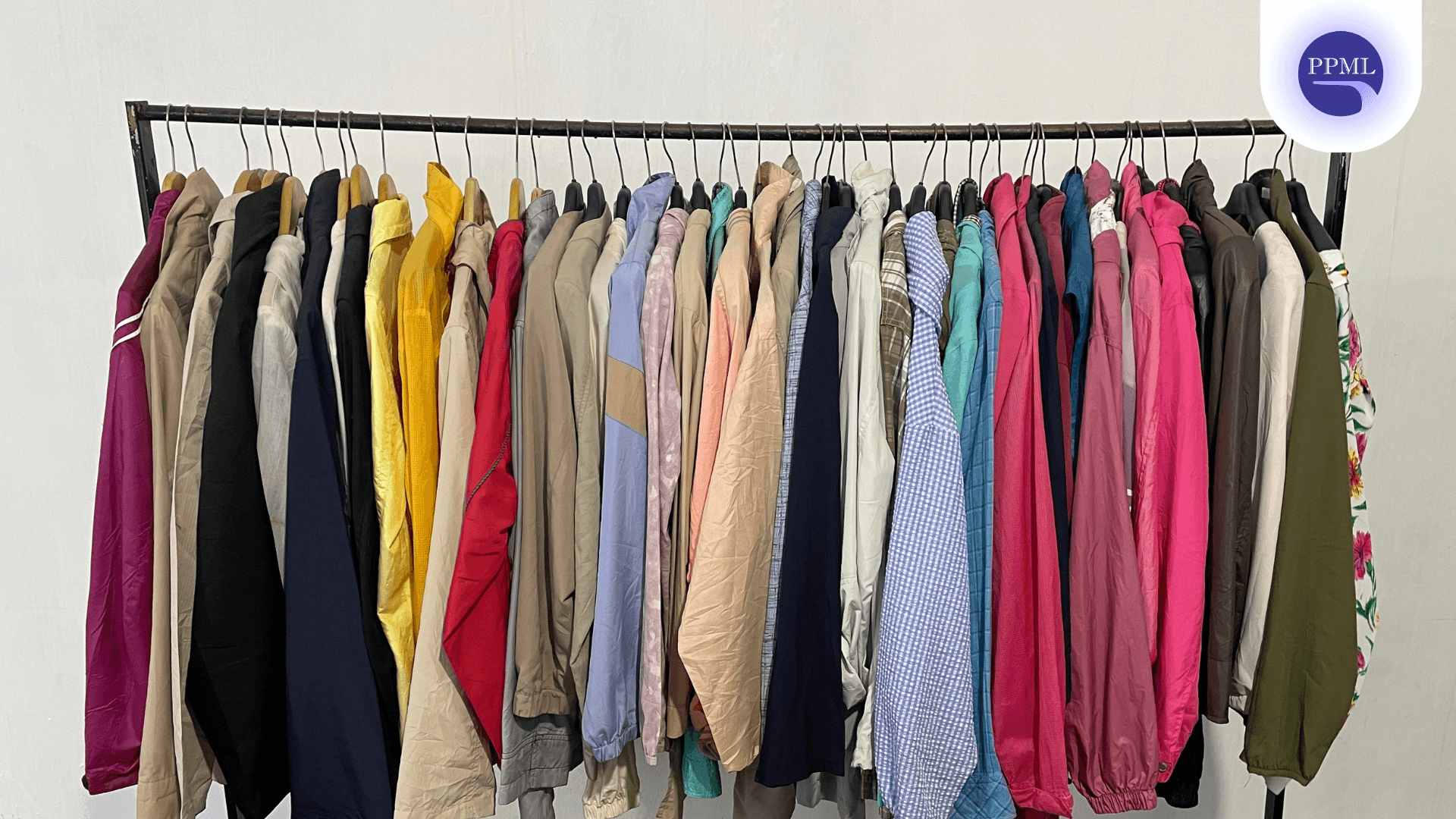
People usually panic about TVs during shifting. Or glassware. Or the refrigerator.
Clothes? Most people treat them like the safest thing in the house.
That’s why wardrobes get ruined during moves more often than they should.
Not dramatic damage. Not “everything destroyed” type situations. It’s usually smaller things that slowly irritate you after unpacking. A blazer that suddenly sits weird on the shoulders.
White shirts that smell strange after two weeks in storage. A favorite sweater stretched out beyond repair. Leather jackets with crease marks that never really disappear.
The problem is clothing damage rarely happens instantly. It builds quietly during packing, transport, humidity exposure, pressure stacking, and lazy last-minute decisions.
And honestly, most of it comes from rushing.
Especially in Indian moves where people start packing wardrobes at midnight before shifting day.
If you’ve moved cities a few times already, you probably know this pattern. The kitchen becomes chaos. Movers are calling nonstop. Someone is searching for tape.
And suddenly clothes start getting stuffed into whatever is available – shopping bags, random cartons, laundry baskets, even old suitcase covers.
It feels harmless at the moment.
Then you unpack.
Table of Contents
ToggleMistake #1 – Treating Garbage Bags Like Wardrobe Boxes
This one happens everywhere.
Someone pulls clothes directly from the cupboard, stuffs them into giant black trash bags, ties a knot, and says, “Bas temporary hai.”
The issue is not just appearance. Plastic traps heat and moisture aggressively, especially during long-distance moves or humid weather.
Inside a moving truck, temperatures rise fast. If even slightly damp clothes are sealed inside non-breathable plastic for 10–12 hours, the smell starts building almost immediately. Sometimes mildew too.
And Kolkata humidity makes this worse.
People think only wet clothes cause problems. Not true. Even normal body moisture trapped inside packed fabrics creates that stale “closed cupboard” smell after transit.
Then there’s the tearing issue.
Garbage bags rip constantly while loading. One sharp furniture edge and suddenly half your clothes are dragging against dusty truck flooring.
Professional movers avoid this for a reason. Wardrobe cartons exist because hanging clothes need structure, airflow, and minimal compression.
Even basic medium cartons work better than trash bags if packed properly.
Mistake #2 – Packing Clothes Straight From the Laundry Pile
This sounds obvious until the moving week actually starts.
That final week before shifting becomes messy. People wear something once, think “still clean,” fold it quickly, and throw it into a box.
That’s where problems begin.
Sweat, perfume residue, deodorant chemicals, food particles – all those invisible things sitting on fabric become worse when sealed inside dark moving boxes for days.
You don’t notice it immediately.
Two weeks later, the collar starts yellowing.
Or the box smells strange when opened.
Or tiny mold patches appear on heavier winter wear.
This happens a lot with gym clothes, denim, socks, jackets, towels, and winter blankets people pack in a hurry.
Professional packers quietly follow one simple rule most homeowners ignore:
If it’s not completely dry, it doesn’t go into the box.
Not “mostly dry.”
Completely dry.
Especially during monsoon-season relocations.
Mistake #3 – Mixing Shoes and Accessories With Soft Clothing
People underestimate friction damage during transport.
A moving truck vibrates for hours. Sometimes days during interstate shifting.
Now imagine a leather belt buckle rubbing repeatedly against cotton shirts inside one tightly packed carton.
Or boots pressing against sarees.
Or a watch chain catching onto knitwear.
That constant movement damages fabrics slowly throughout the journey.
You usually discover it only while unpacking.
Small tears. Fabric pilling. Scratches. Snags.
Dark leather shoes are another problem nobody talks about enough. Heat inside trucks softens polish and dyes slightly. If white clothing sits pressed against dark footwear for hours, color transfer happens surprisingly easily.
Experienced movers separate wardrobes by category because they’ve seen this too many times already.
Soft clothing stays together.
Shoes get wrapped separately.
Accessories stay isolated.
Simple system. Massive difference later.
Mistake #4 – Overstuffing Boxes to “Save Space”
Every move has that one box people sit on just to close the flaps.
Usually the clothing box.
It feels smart at the moment because fewer boxes supposedly means easier moving.
Actually, it creates more damage.
Overpacked clothing cartons build pressure points inside the fabric layers. Structured garments lose shape. Cotton develops stubborn fold lines. Linen becomes deeply creased.
Then comes vacuum storage bags.
They look satisfying online. Everything shrinks magically into half the size.
But natural fabrics hate extreme compression.
Wool sweaters flatten permanently. Cashmere loses softness. Down jackets stop puffing properly. Silk develops strange hard crease lines.
Synthetic clothes usually survive vacuum packing.
Natural fibers often don’t.
This is why experienced movers rarely compress premium clothing aggressively unless absolutely necessary.
More breathing room inside the box usually means fewer problems after unpacking.
Mistake #5 – Folding Everything the Same Way
Not every garment should be packed identically.
This is where expensive clothes quietly get ruined.
Blazers, suits, and formal jackets have internal structure. Shoulder shaping. Canvas layers. Padding. Tight folding destroys that shape surprisingly fast.
Leather is worse.
One bad fold line during a long-distance move can stay visible for years.
At the same time, heavy sweaters should not remain hanging for too long either. Gravity stretches knitwear slowly during transit. That’s how those annoying shoulder bumps appear.
Professional packers usually separate wardrobes into categories before packing starts :
- Formal wear stays hanging
- Knitwear gets folded flat
- Leather gets loosely rolled
- Casual clothes get compact rolled packing
- Delicate fabrics get breathing space
It sounds excessive until you unpack a properly handled wardrobe after a long move.
There’s noticeably less ironing, less reshaping, and far less frustration.
The Real Problem Isn’t Packing. It’s Decision Fatigue.
This is honestly what ruins most wardrobes during relocation.
Not lack of materials. Not even lack of money.
People get mentally exhausted halfway through packing the house. By the time wardrobes remain, decision quality drops badly.
You stop sorting properly. You stop labeling.
You stop caring whether something should be folded or hung.
Everything becomes “just pack it somehow.”
That’s usually the exact moment damage begins.
Small Things Experienced Movers Quietly Do Better
Good movers don’t just carry boxes. They notice patterns homeowners usually miss.
Things like :
- Keeping silica gel inside wardrobe cartons during humid moves
- Avoiding newspaper ink on light-colored fabrics
- Preventing metal accessories from touching clothing directly
- Using hanging cartons for office wear
- Not stacking heavy appliance boxes over clothing cartons
- Separating seasonal clothes for easier unpacking later
None of these feel important while packing. All of them feel important after unpacking.
Final Thoughts
Most clothing damage during shifting isn’t dramatic. It’s slow, preventable, and usually caused by shortcuts people think won’t matter.
But wardrobes are expensive now. Even basic daily wear adds up financially over time.
Formal clothing, winter wear, shoes, handbags, office outfits – replacing damaged items quietly becomes costly.
A smoother move is rarely about moving faster.
Usually it’s about packing with slightly more patience before the truck arrives.
Because once humidity, pressure, heat, and transport vibrations do their work, there’s no undo button for fabric damage.
PEOPLE ALSO ASK
Yes. Moisture, heat, pressure stacking, poor packing materials, and rough handling can damage clothes during shifting. Common issues include mildew, wrinkles, stretching, color transfer, and fabric tearing.
Plastic bags work only for very short temporary transport. For proper moving, breathable garment bags or wardrobe cartons are safer because they reduce trapped moisture and fabric odor buildup.
Clothes usually develop bad smells because of trapped humidity, sweat residue, poor ventilation, or packing slightly damp garments into sealed boxes for long periods.
Yes. Clothes should always be cleaned and fully dried before packing. Invisible sweat, oils, and food residue can create permanent stains or mildew during transit.
Formal wear like suits, blazers, sarees, and dresses should ideally remain hanging inside wardrobe boxes or breathable garment bags to maintain shape and reduce wrinkles.
Vacuum bags are fine for synthetic clothing and bedding, but not ideal for wool, silk, cashmere, or down jackets because extreme compression can damage natural fibers permanently.




Leave a Reply