

There was a time when hiring movers in Kolkata meant calling a number, negotiating blindly, and hoping your belongings would show up intact.
That version of the industry still exists – but it’s no longer the whole picture.
What’s happening now is more layered. The surface looks more organized – websites, WhatsApp bookings, instant quotes – but underneath, the system is going through a messy transition.
Some packers and movers companies are evolving fast. Others are stuck in old habits, just wrapped in new packaging.
If you’re planning a move today, you’re not just choosing a service. You’re choosing which version of the industry you’re dealing with.
Table of Contents
ToggleThe Demand Has Changed First – And Fast
Relocation in Kolkata isn’t what it used to be.
People aren’t just moving houses anymore. They’re moving for jobs, upgrading lifestyles, shifting offices, setting up warehouses, and sometimes relocating within the same city just to cut commute time.
This shift has quietly increased expectations :
- Faster timelines
- Better handling
- Clear pricing
- Less involvement from the customer
The problem? Not every moving company has caught up to these expectations.
Digital on the Outside, Manual on the Inside
A lot of movers now look modern.
You’ll see online booking, quick estimates, and smooth communication. But once the actual move starts, many operations still run manually – paper lists, verbal instructions, and on-the-spot decisions.
This gap between “what’s promised” and “how it’s executed” is where most problems start.
Customers assume systems are in place.
In reality, many companies are still dependent on experience, not process.
And that difference shows up on moving day.
Pricing Is Still a Grey Zone
One of the biggest changes – and frustrations – is pricing.
Earlier, it was simple negotiation. Now, it’s structured quotes… but not always transparent ones.
Two common patterns you’ll notice :
- Quotes that look low initially but increase later
- Vague breakdowns that hide actual service costs
Fuel prices, labor costs, and demand fluctuations are real factors. But the lack of standardization means customers still struggle to understand what they’re actually paying for.
The industry is trying to formalize pricing – but it’s not fully there yet.
Skilled Labor Is Becoming a Bottleneck
Good movers are not just “people who lift boxes.”
They know how to :
- Pack fragile items properly
- Disassemble and reassemble furniture
- Load vehicles without damage risk
The problem is – this kind of skilled labor is becoming harder to find and retain.
As demand grows, many companies rely on temporary or semi-trained workers. That’s why service quality can vary dramatically—even within the same company.
This is one of those changes customers don’t see directly, but feel immediately.
Technology Is Starting to Matter (But Unevenly)
Some companies are genuinely improving how relocation works.
You’ll now see:
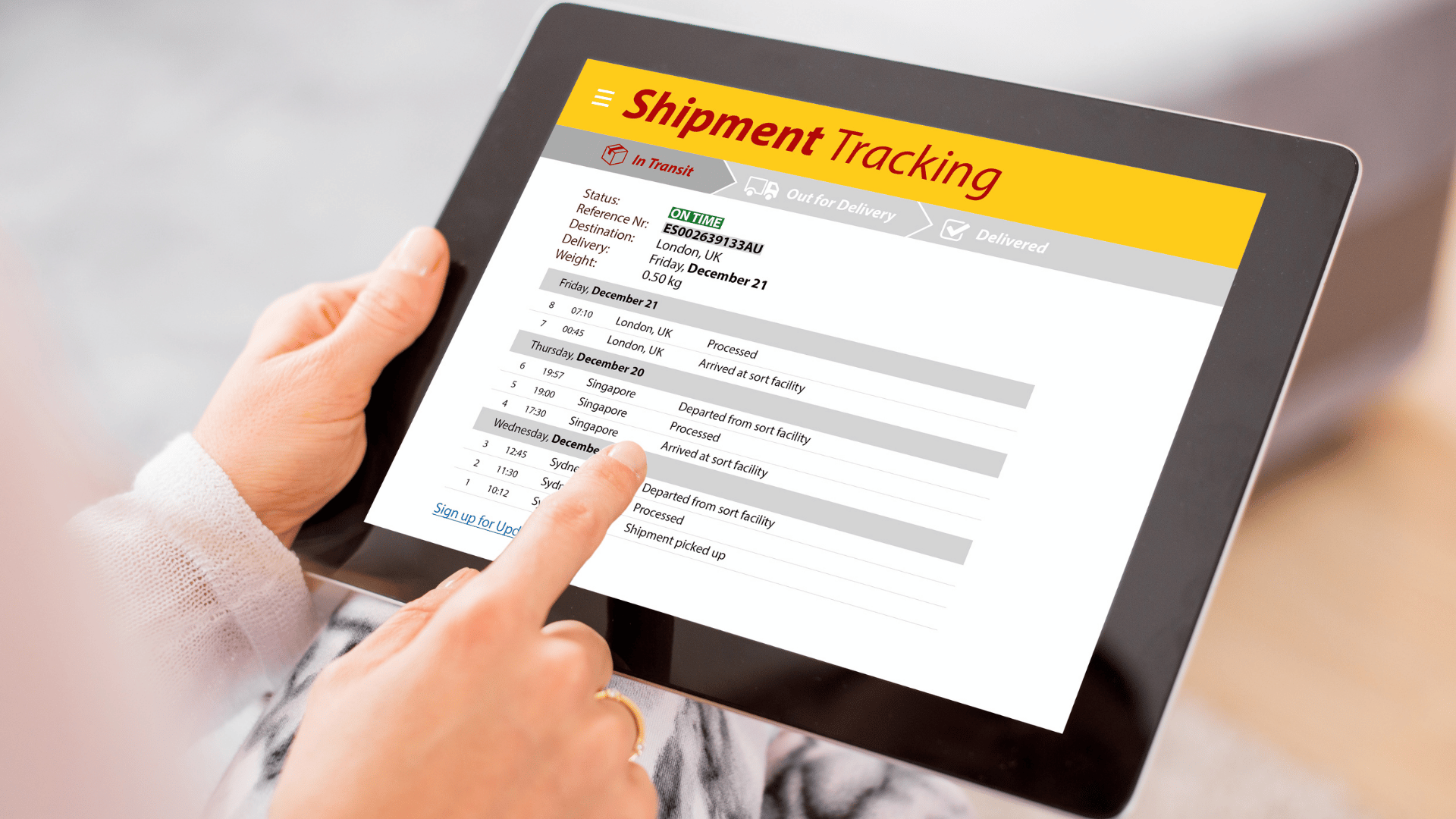
- GPS tracking for shipments
- Digital inventory lists
- Automated cost estimation
- Real-time coordination
But here’s the catch – this is not industry-wide.
Larger or more structured companies are adopting these tools. Smaller operators are still catching up.
So the experience depends heavily on who you hire, not just what service you choose.
Customer Awareness Has Increased
This is probably the biggest shift.
People are no longer blindly trusting movers.
They :
- Check reviews (and question fake ones)
- Ask for written estimates
- Compare multiple providers
- Demand accountability
This change is forcing the industry to become more transparent – but it’s also exposing how inconsistent things still are.
Trust is no longer assumed. It has to be earned.
Commercial Moves Are Driving Professionalization
Office and warehouse relocations are pushing the industry forward.
Businesses can’t afford :
- Delays
- Damage
- Downtime
So they demand structured processes, timelines, and accountability.
This pressure is slowly shaping how professional movers operate – even in household shifting.
The more commercial relocation grows, the more organized the industry becomes overall.
The Gap Between Good and Average Is Widening
Earlier, most movers felt similar.
Now, the difference is obvious.
A well-run company will :
- Give clear estimates
- Follow a structured process
- Communicate proactively
- Deliver close to promised timelines
An average one will still :
- Depend on verbal coordination
- Change costs mid-way
- Struggle with consistency
This gap is only increasing.
Which means choosing the right mover matters more today than it did a few years ago.
So What’s Actually Changing?
Not everything is improving at the same speed.
Instead, the industry is splitting into two tracks :
Track 1 : Process-driven, tech-supported, transparent
Track 2 : Experience-driven, inconsistent, reactive
Both exist in the same market. And both are competing for the same customers.
What This Means For You
If you’re planning a move in Kolkata today, the risk isn’t just damage or delay.
It’s choosing the wrong system.
A few things that still work (and probably always will) :
- Get everything in writing
- Ask what’s included, not just the total cost
- Check how they actually execute, not just what they promise
- Don’t go with the lowest quote without questioning it
Because despite all the changes, one thing hasn’t changed:
A smooth move still depends more on execution than intention.
Final Thought
The packers and movers industry in Kolkata is evolving – but not uniformly.
Some companies are building real systems. Others are just adapting the surface.
From the outside, both may look similar.
You only see the difference when the move begins.
And by then, it’s usually too late to switch.
That’s the real shift in 2026 – not just better services, but higher stakes in choosing the right one.
Read More Helpful Relocation Articles
PEOPLE ALSO ASK
The biggest shift is operational, not cosmetic. Booking is moving online, pricing is becoming dynamic, and customers expect real-time tracking. At the same time, backend challenges like labour shortages and fuel volatility are making execution harder. So while the front-end looks smoother, the actual logistics have become more complex.
Yes – and not always for the wrong reasons. Fuel costs, labour availability, and compliance requirements have increased operating costs. The real issue isn’t higher pricing, it’s inconsistent pricing. Two companies can quote very different rates for the same move, which is where most confusion happens.
Partially. Larger or organized movers are using tracking systems, digital inventories, and automated estimates. But a big chunk of the market still runs on calls and manual coordination. So your experience depends heavily on which company you choose – not the industry as a whole.
Because logistics is still ground reality-driven. Traffic conditions, route planning errors, labour gaps, and poor load management still affect timelines. Technology helps visibility, but it doesn’t eliminate execution problems.
Look beyond ads and ratings. Check for:
- Clear written quotation (not verbal estimates)
- Defined service scope (packing quality, loading method, delivery timeline)
- Insurance clarity
- Physical office presence
If any of these are vague, expect problems later.
Usually not. Low pricing often means compromises in packing material, labour skill, or vehicle quality. Most damage complaints trace back to cost-cutting decisions made at the start. Cheap moves often become expensive corrections later.
No – and this is where many people get caught off guard. Some movers mention insurance but don’t clearly explain coverage terms. Always ask what exactly is covered, how claims work, and whether it’s transit insurance or just basic liability.



Leave a Reply