
Anyone who has shifted homes at least once knows this pattern. You start the move thinking furniture will be the difficult part.
Then you reach the kitchen cabinet full of glasses, bowls, mugs, and random “special occasion” crockery that somehow survived for years without a single crack. Suddenly, packing becomes stressful.
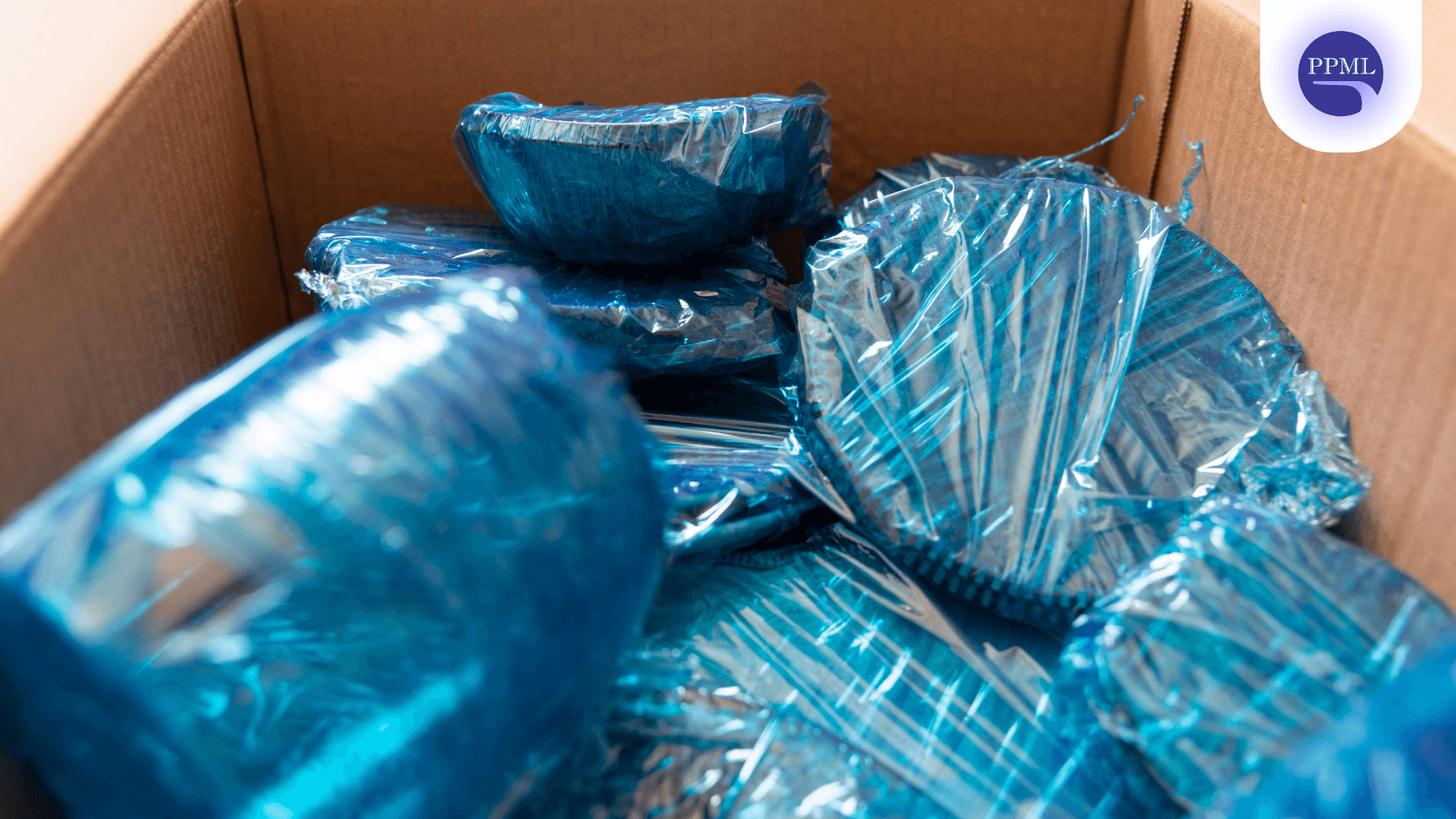
And then comes the second shock – the price of bubble wrap.
By the time you calculate how much wrapping material is needed for an average Indian kitchen, the cost becomes irritatingly high.
Especially when you already have deposits, brokerage, movers, utility transfers, and a hundred other expenses running in parallel.
Most people end up buying either too little bubble wrap or panic-buying huge rolls that get used once and thrown away.
The reality is simpler than most people think.
Professional packing is not really about bubble wrap. It is about shock absorption, pressure distribution, and preventing glass from colliding with other glass. That’s it.
Which means you can safely move fragile kitchenware using things already lying around your house.
In fact, many experienced movers quietly rely on towels, newspapers, old clothes, socks, and cardboard layering more often than people realize.
The expensive plastic rolls mostly exist because they are convenient and fast during large commercial moves.
For regular household shifting, especially local shifting in cities like Kolkata where transit time is shorter, you can protect glassware extremely effectively without spending thousands on packaging material.
Table of Contents
ToggleMost Glassware Breaks Because of Empty Space
This is the part people usually misunderstand.
A glass rarely breaks because the truck moved. It breaks because the item inside the box was allowed to move.
Once glasses start knocking into each other during braking, potholes, speed breakers, or loading pressure, cracks become inevitable. The real enemy is not movement of the truck. It is movement inside the box.
That changes the entire packing strategy.
Instead of obsessing over thick wrapping, focus on :
- Eliminating empty gaps
- Preventing glass-on-glass contact
- Creating soft pressure buffers
- Keeping items upright
- Distributing weight correctly
Once you understand this, half the moving anxiety disappears.
Start With What You Already Have at Home
Before buying anything, walk through your house once.
Most homes already contain enough protective material for kitchen packing if used properly.
Things that work surprisingly well :
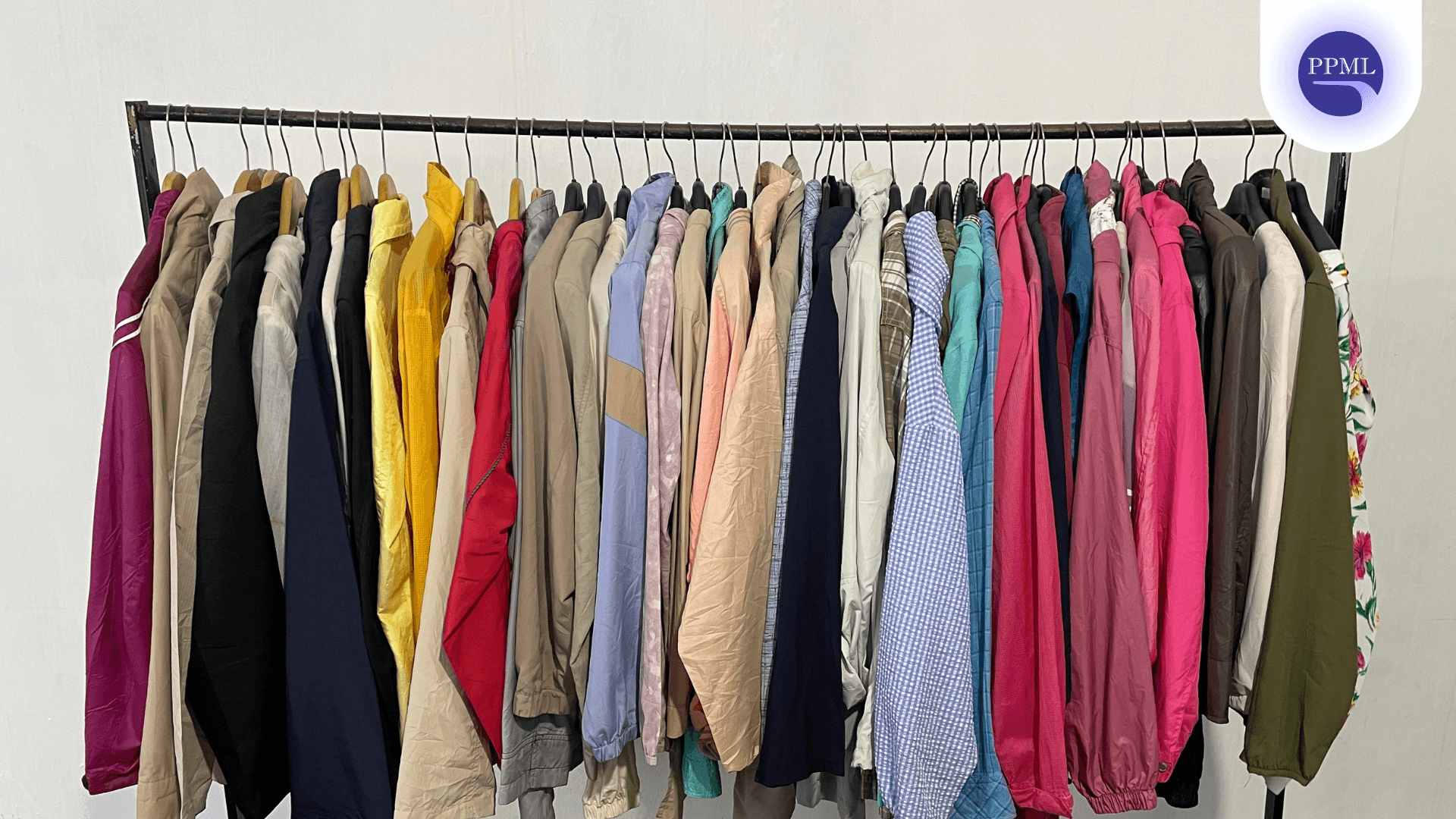
- Bath towels
- Kitchen towels
- Old t-shirts
- Sweatshirts
- Winter socks
- Newspapers
- Delivery-box cardboard
- Bed sheets
- Microfiber cloths
- Old pillow covers
The funny thing is people often pack these items separately while also buying bubble wrap. Which basically means paying extra money to move air-filled plastic while soft cushioning material already exists inside the same house.
Using household fabric also reduces box count because you’re combining clothing and kitchen packing together.
That alone saves noticeable loading space during shifting.
Socks Are Secretly Excellent Glass Protectors
This sounds ridiculous until you actually try it.
Thick socks work extremely well for regular water glasses, steel tumblers, mugs, and small jars.
The structure of woven fabric naturally absorbs vibration. And because socks stretch, they create grip around the surface instead of allowing slipping.
A practical setup looks like this :
- Put one rolled sock inside the glass
- Pull another sock over the outside
- Place glasses vertically inside the box
That’s often enough protection for local city shifting.
For ceramic mugs, push a small cloth piece through the handle area first. Handles usually break before the body does because they receive side pressure during loading.
People spend huge money wrapping mugs in plastic while leaving handles exposed. That’s why handles chip so often.
Towels Work Better Than Thin Bubble Wrap for Heavy Kitchen Items
This becomes obvious during appliance packing.
Heavy glass bowls, mixer jars, casserole lids, and Pyrex containers need density more than air bubbles. Thin plastic wrap tears under pressure. Towels absorb impact better.
One thick bath towel wrapped around stacked kitchen items creates a surprisingly solid protective layer.
Especially for :
- Glass mixing bowls
- Baking dishes
- Heavy serving plates
- Microwave glass trays
- Blender jars
Another advantage is stability. Fabric grips surfaces. Plastic slides.
That matters a lot when boxes shift slightly inside trucks.
Cardboard Is More Powerful Than People Think
Corrugated cardboard is basically a built-in shock absorber.
The fluted structure inside cardboard naturally disperses pressure. That’s why professional movers often create cardboard dividers inside boxes for premium crockery.
You can make simple DIY partitions using old Amazon or Flipkart boxes.
Cut strips vertically and horizontally. Interlock them into a grid structure. Suddenly your basic carton becomes a proper dish-cell box.
This small step dramatically reduces breakage because every glass gets its own isolated compartment.
Especially useful for :
- Wine glasses
- Crystal items
- Beer mugs
- Decorative glasses
- Small glass jars
Without dividers, even perfectly wrapped glasses eventually hit each other during transit vibration.
Newspapers Still Work – But Use Them Properly
People either overtrust newspapers or completely avoid them.
Reality sits somewhere in the middle.
Newspaper works best as:
- Void filler
- Cushion layering
- Structural padding
- Outer wrapping
It works less effectively as direct wrapping for delicate premium items because ink transfer can happen in humidity.
A smarter method is :
- Wrap first with cloth or tissue
- Use newspaper as outer cushioning
- Crumple paper aggressively for shock absorption
Crumpled paper works because trapped air pockets absorb energy.
Flat newspaper sheets do almost nothing.
That’s the difference many people miss.
Never Pack Glasses Flat
This is one of the biggest amateur mistakes during shifting.
Glasses are structurally designed to handle vertical load. Their sidewalls are weaker.
So always pack :
- Upright
- Base-down
- Rim-up
Exactly the way they sit inside your kitchen cabinet.
People often lay glasses horizontally thinking it “looks safer.” Then one heavy box gets stacked above and side pressure cracks the entire row.
Vertical placement distributes weight naturally through the strongest part of the structure.
The Bottom of the Box Matters More Than the Top
A lot of breakage actually happens from underneath.
Movers place boxes down harder than expected during loading and unloading. If the base lacks cushioning, the shock travels straight upward.
Before adding any glassware :
- Create a thick base layer
- Use towels, crushed paper, or folded fabric
- Aim for at least 2–3 inches cushioning
Then continue layering items.
This foundation matters more than overwrapping individual glasses.
Small Boxes Are Safer Than Large Boxes
This is another common packing trap.
People think bigger boxes save effort. But oversized kitchen cartons become dangerously heavy very fast.
Then three problems happen :
- Bottom tape fails
- Movers drag the box
- Internal pressure increases
Smaller cartons create tighter packing architecture.
Which is exactly what fragile items need.
Professional movers usually prefer medium cartons for glassware for this reason alone.
The Real Goal Is Zero Movement
Here’s the easiest test. Close the box. Shake it gently.
If you hear :
- clinking
- shifting
- sliding
- tapping
…the box is not ready.
Add more filler.
Use socks, towels, paper, cloth scraps, or cardboard wedges until everything feels locked into place.
Good packing feels slightly overstuffed – not loosely arranged.
That tightness prevents impact damage during real road conditions.
Don’t Ignore the Truck Placement
Even perfectly packed kitchen boxes can break if loaded badly.
Fragile boxes should:
- Never sit at the absolute bottom
- Never carry heavy appliances above them
- Stay vertically aligned
- Be wedged tightly to prevent sliding
This is where experienced movers genuinely make a difference.
A professional crew understands stacking pressure, truck balance, and road vibration patterns far better than casual labor.
That knowledge quietly prevents a lot of hidden damage during shifting.
Bubble Wrap Is Useful – But Not Always Necessary
This is probably the most honest answer.
Yes, bubble wrap helps.
But for regular household shifting, especially when handled carefully, it is often overused. Many families spend heavily on packing materials when strategic layering and proper box organization would achieve almost the same result.
The safer move is usually :
- Better box structure
- Better cushioning distribution
- Better loading discipline
- Better item isolation
– not necessarily more plastic.
And honestly, once you start using household materials creatively, you realize how much usable cushioning already exists inside a normal home.
Final Thoughts
Packing fragile glassware safely is less about expensive supplies and more about understanding pressure, movement, and layering.
A kitchen packed thoughtfully using towels, socks, cardboard dividers, newspapers, and proper box organization can survive shifting extremely well – even without commercial bubble wrap covering every inch.
The biggest difference comes from slowing down slightly and packing intentionally instead of rushing through kitchen cabinets at midnight before moving day.
Because in most house shifts, breakage usually doesn’t happen due to bad luck.
It happens because packing became hurried in the final few hours.
And that’s the part worth fixing first.
PEOPLE ALSO ASK
Yes. Towels, socks, newspapers, microfiber cloths, and cardboard dividers can protect glassware extremely well if packed tightly and layered properly.
Pack glasses vertically, place soft material inside the cavity, wrap externally with cloth or paper, and ensure zero movement inside the box.
Yes, mainly for cushioning and void filling. For premium or delicate glassware, use cloth as the first layer to avoid possible ink transfer.
Plates are usually safer packed vertically like records. Bowls can be nested carefully with padding between each layer.
Most glassware breaks because of internal movement, poor box cushioning, or heavy pressure from incorrectly stacked items during transport.
Leave a Reply