
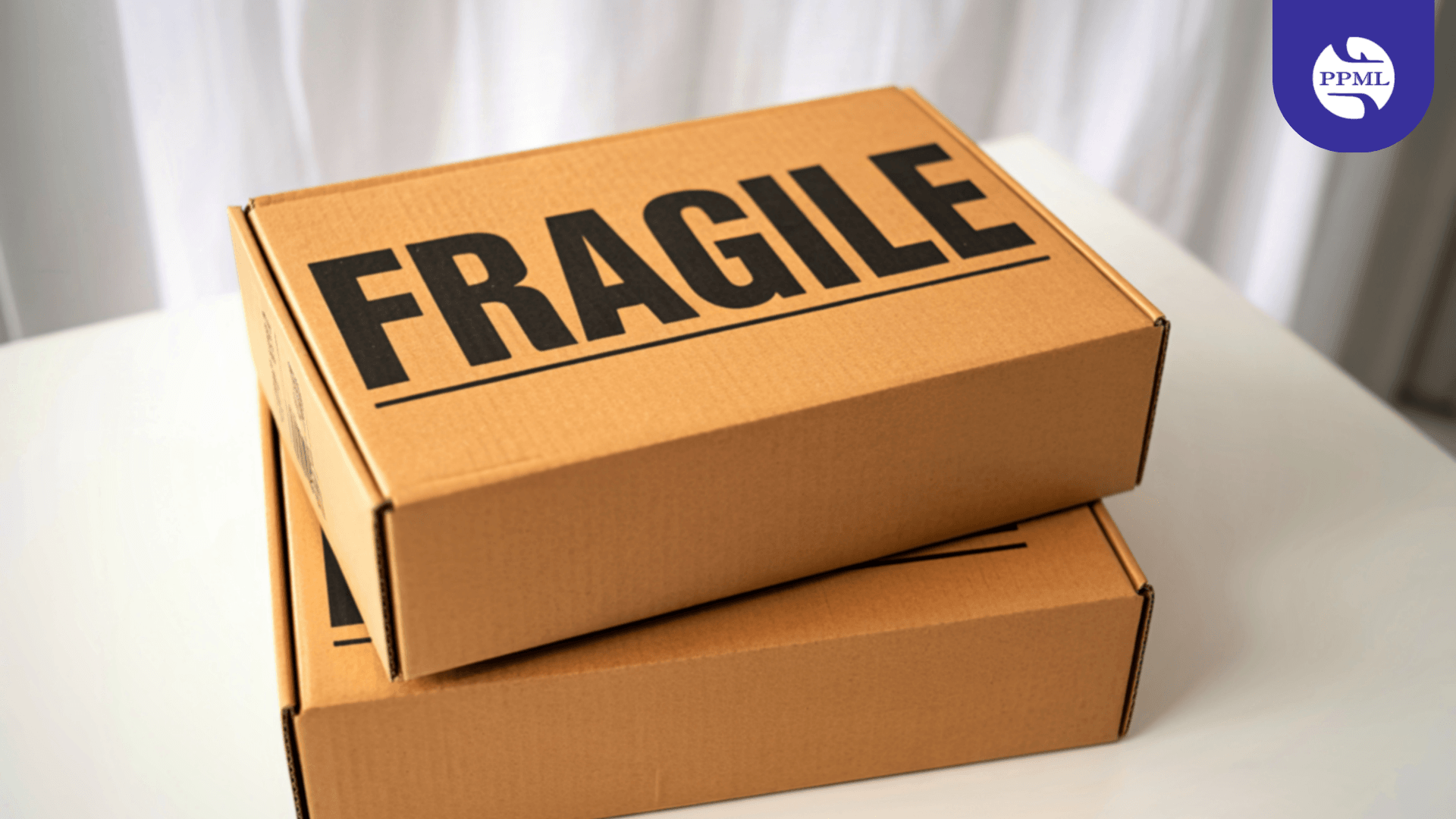
There’s a moment in every move when you pause and think – this one can’t break.
It’s usually the TV. Or a mirror. Or something that doesn’t even have a high price tag but carries memory.
That’s where fragile packing stops being “another task” and becomes the part of the move you actually worry about.
And the uncomfortable truth? Most breakages don’t happen because something fell off a truck. They happen because packing was rushed, assumed, or done “good enough.”
Fragile items don’t need careful handling later. They need correct preparation first.
Table of Contents
ToggleWhy Fragile Items Fail During Relocation
People assume impact is the biggest risk. It’s not.
The real damage comes from:
- Continuous vibration during transit
- Pressure from stacked items
- Internal movement inside boxes
- Poor weight distribution while loading
So even if nothing dramatic happens – no drops, no accidents – items can still crack, chip, or stop working by the time they arrive.
That’s why packing fragile items isn’t about protection from one big event. It’s about resistance over time.
Start With This Mindset
Don’t pack fragile items to “survive handling.”
Pack them to survive movement.
Because once the vehicle starts, your control is gone. And whatever happens inside that box will keep happening for hours.
The materials that actually make a difference
You don’t need exotic supplies. You need the right combination used correctly.
- Bubble wrap → absorbs shock, but only if layered properly
- Corrugated boxes (double wall) → handle pressure better
- Foam sheets / thermocol → protect edges and screens
- Packing paper (not newspaper) → prevents scratches
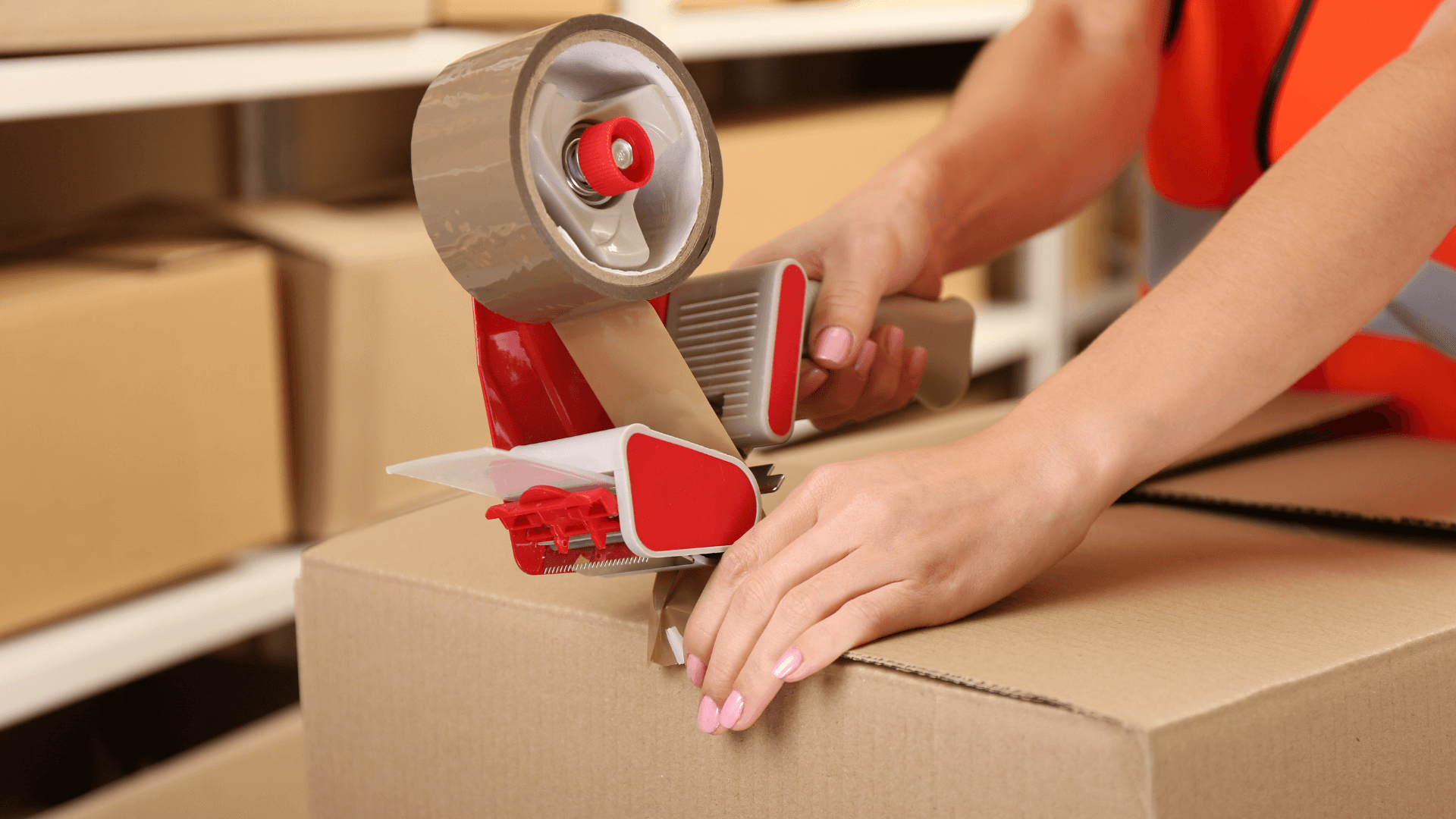
- Stretch wrap & tape → locks everything in place
Most people use these partially. Professionals use them intentionally.
Electronics : where small mistakes become expensive
Electronics don’t usually break loudly. They fail quietly – screen issues, internal damage, loose connections.
What actually helps :
- Remove all cables and pack them separately (label them)
- Wrap screens with anti-static material, not just bubble wrap
- Use tight boxes – no empty space around the device
- Never place anything heavy on top (even “light” boxes add pressure over time)
If you still have original boxes, use them. They’re designed for transit, not just storage.
Glass items : the ones people underestimate
Glass rarely forgives mistakes.
The common error? Wrapping multiple items together to “save time.” That’s exactly how they break.
Instead :
- Wrap each piece individually
- Add padding on all sides of the box
- Use cardboard sheets between items
- Keep glass items upright, not flat
Flat placement feels stable, but it increases pressure risk. Upright positioning distributes it better.
Mirrors and frames : where cracks start silently
Mirrors don’t always shatter immediately. Sometimes they develop internal stress cracks that show up later.
Better approach:
- Use corner protectors (this matters more than people think)
- Wrap with foam first, then bubble wrap
- Place in slightly larger boxes with cushioning
- Mark direction clearly (this actually affects how they’re handled)
Antiques and irregular items : no “standard method” works
This is where DIY packing starts struggling.
Antiques aren’t just fragile – they’re unpredictable. Odd shapes, delicate joints, uneven weight.
What works here is not material – it’s customization.
- Wrap with soft cloth before bubble wrap (prevents surface damage)
- Protect joints and edges extra
- Use custom crating if the item is high value
If something cannot be replaced, don’t treat it like a normal item.
The step most people rush: filling empty space
This is where most fragile packing fails.
You can wrap an item perfectly, but if there’s space inside the box, movement will happen. And movement leads to damage.
Always:
- Fill gaps with paper, foam, or padding
- Shake the box lightly – if you feel movement, it’s not ready
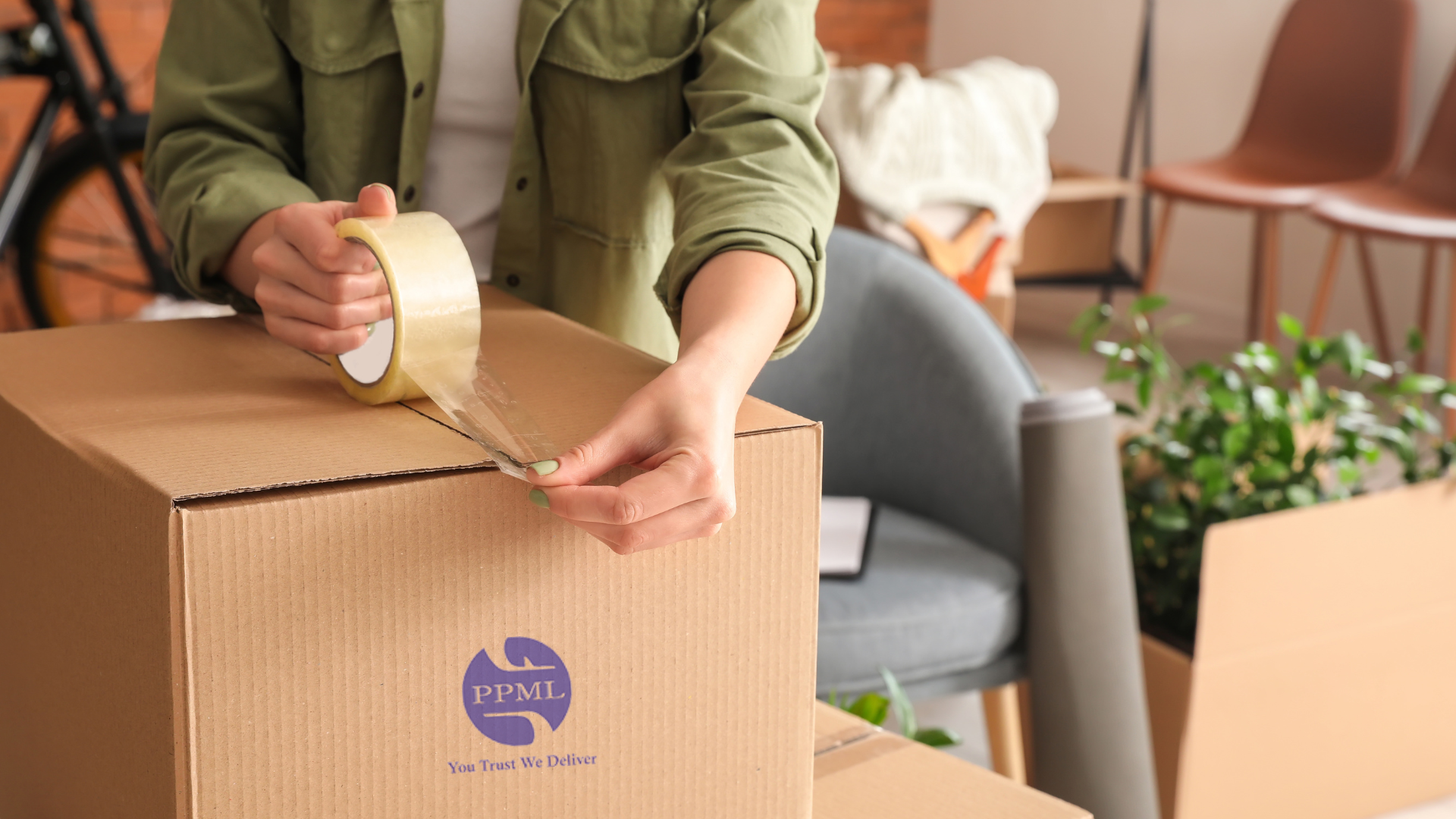
- Seal tightly so nothing shifts during transport
It sounds basic, but this one step prevents a large percentage of damage.
Loading – the part that decides the outcome
Even the best packing can fail if loading is careless.
Fragile items should :
- Always go above heavier items
- Be placed away from pressure zones
- Be secured so they don’t slide during transit
This is where experienced movers make a visible difference. Not because they’re faster – because they understand how things shift on the road.
When should you stop doing it yourself?
There’s a point where DIY stops saving money and starts increasing risk.
If you have :
- Large TVs or expensive electronics
- Glass-heavy interiors
- Antiques or collectibles
- Long-distance relocation
…it’s usually smarter to involve professionals.
Not because you can’t pack – but because the margin for error becomes too small.
A small but important habit
Keep one “do-not-load” box with you.
- Chargers
- Important documents
- Small valuables
- Daily essentials
Because even if everything goes perfectly, you don’t want to open 20 boxes just to find a charger at night.
Final Thought
Fragile packing isn’t about being extra careful.
It’s about being correct in the beginning.
Because once the boxes are sealed and loaded, nothing inside them changes. The same pressure, the same vibration, the same movement continues until delivery.
If the packing is right, things arrive safely without drama.
If it’s slightly off, problems show up at the worst possible time – when everything is already unpacked and too late to fix.
PEOPLE ALSO ASK
Wrap each item individually, fill empty spaces inside boxes, use strong cartons, and ensure there is no movement during transit.
Bubble wrap, foam sheets, packing paper, and double-layer corrugated boxes provide the best protection when used correctly.
Wrap each piece separately, add cushioning on all sides, place them upright in boxes, and avoid stacking heavy items over them.
Yes. Internal components can get affected by vibration or pressure, even if there is no visible external damage.
If the items are expensive, delicate, or hard to replace, professional packing significantly reduces the risk of damage.
Leave a Reply