

There’s a version of “moving out” that lives on social media – clean rooms, soft lighting, new bedsheets, independence unlocked.
And then there’s the real version.
The one where your Wi-Fi doesn’t work on day one.
Your budget breaks in week two.
And you realize nobody told you how many small decisions pile up in a single move.
If this is your first time moving out in 2026, don’t treat it like a milestone. Treat it like a system you need to get right.
Because the difference between a smooth start and a chaotic one isn’t luck – it’s preparation.
Table of Contents
ToggleThe Money Reality No One Explains Properly
Everyone talks about rent. Almost no one prepares for everything around it.
The first month hits differently :
- Security deposit (sometimes 2–3 months)
- Brokerage
- Setup costs (gas, Wi-Fi, electricity)
- Basic furniture
- Daily living expenses before your first salary cycle stabilizes
It adds up fast. And most first-timers underestimate it by a wide margin.
A simple rule that actually works : If your expected monthly expense is ₹25,000, you shouldn’t move out without at least ₹75,000–₹1 lakh buffer.
Not because something will go wrong.
Because something always does.
The Apartment Trap : Looks Good, Lives Bad
The biggest mistake? Choosing a house emotionally.
A balcony and good lighting don’t fix :
- A 1.5-hour commute
- No nearby grocery stores
- Poor water supply
- Unsafe surroundings
Before you finalize anything, check this like an operator, not a renter :
- How far is your daily commute during peak hours?
- Can you get essentials within a 5–10 minute walk?
- What’s the real monthly cost including maintenance, electricity, and travel?
- Is the area active at night or completely dead?
A “perfect” house that drains your time and energy isn’t perfect.
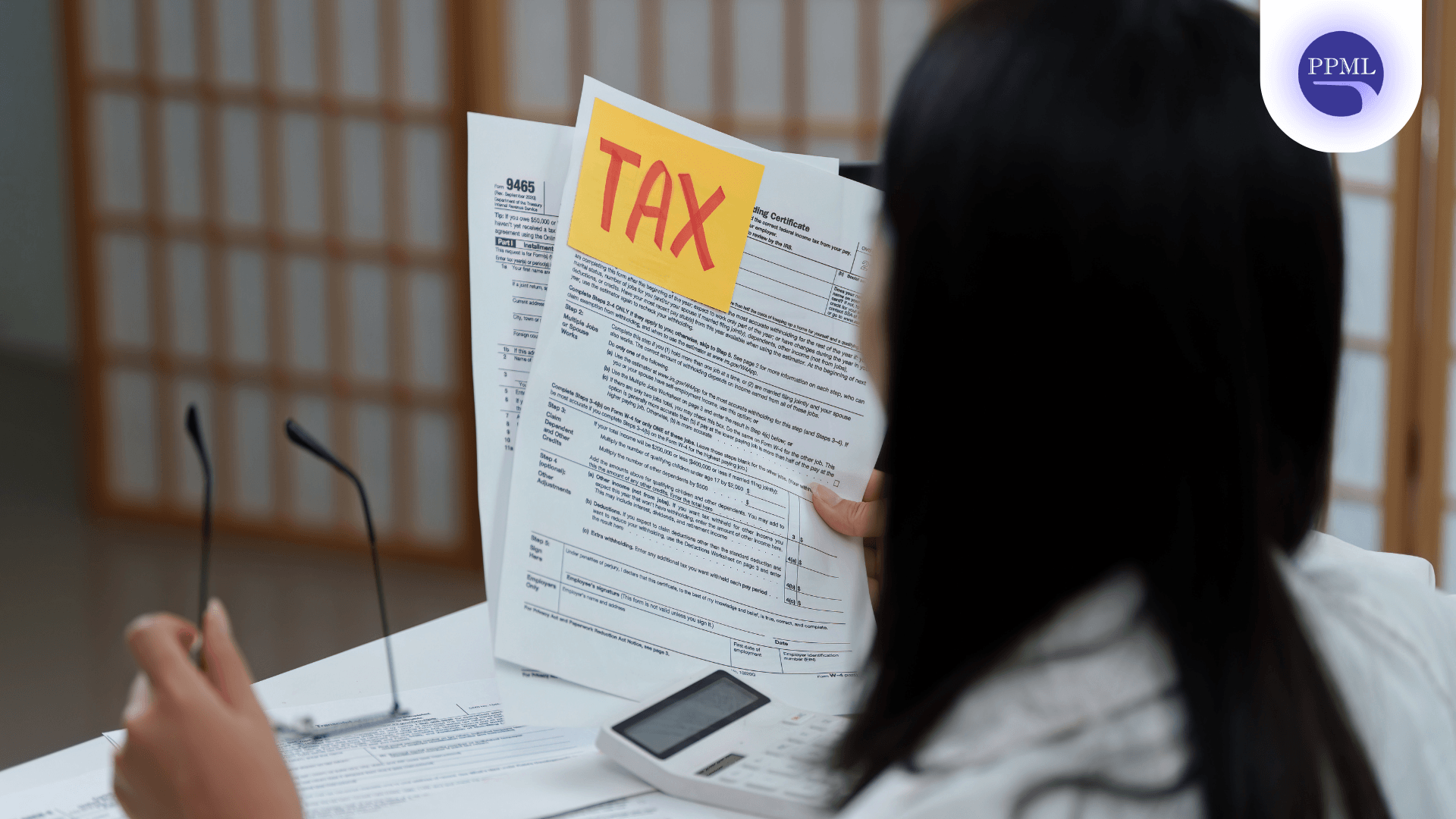
The Paperwork Nobody Enjoys (But Can’t Avoid)
Moving out quietly introduces you to paperwork.
And mistakes here create long-term friction.
Make sure you :
- Update your address across bank accounts and official IDs
- Read your lease fully (especially lock-in period and exit clauses)
- Understand who pays for repairs and maintenance
- Keep soft + hard copies of all documents
It feels boring until something goes wrong. Then it becomes urgent.
What You Actually Need vs What You Think You Need
This is where most people overspend.
You don’t need a “setup.” You need a functional base.
Start with:
Kitchen basics
- One pan, one pot, a knife, storage boxes
That’s enough to survive and avoid daily takeout.
Bathroom essentials
- Towels, cleaning supplies, basic first-aid
Most people forget this completely.
Sleeping setup
- A good mattress
Not aesthetic. Just necessary.
Everything else can come later.
Trying to build a “complete home” in week one usually leads to unnecessary spending.
Moving Day : Where Things Usually Break
Moving day isn’t complicated. It just becomes messy when rushed.
A few things that quietly make a huge difference :
- Declutter before packing (you don’t need half of what you own)
- Label boxes properly (future you will thank you)
- Keep an essentials bag (clothes, charger, toiletries, documents)
- Don’t rely purely on friends if you have heavy items
This is also where hiring experienced movers starts to make sense.
Not because you can’t do it yourself – but because mistakes here are expensive.
The First Week Feels… Off
Nobody talks about this part.
The silence. The unfamiliar routine. The small discomforts.
It’s normal.
You’re not just moving houses. You’re rebuilding your daily life.
A few things help :
- Set up your basics first (internet, groceries, sleeping space)
- Step out and explore your area early
- Keep your routine simple for the first 7–10 days
Don’t try to “settle everything” immediately. That pressure makes it worse.
Safety Isn’t Optional
It’s easy to overlook when everything feels new.
But basics matter :
- Check door locks properly
- Ensure electrical fittings are safe
- Install basic safety measures if needed
- Know nearby hospitals and emergency contacts
Peace of mind is part of the move – not an extra.
Where the Right Moving Partner Changes Everything
First-time moves are unpredictable.
And this is exactly where having a structured relocation partner helps more than people expect.
Experienced companies like Pradhan Packers and Movers Pvt. Ltd. don’t just move boxes – they reduce the number of things that can go wrong.
- Clear cost estimates (so your budget doesn’t break mid-move)
- Systematic packing (less damage, less confusion)
- Organized loading and transport
- Support even after delivery
When you’re doing this for the first time, that structure matters.
A lot.
The Part Nobody Likes to Admit
Moving out isn’t just freedom.
It’s responsibility showing up every single day – rent, food, bills, time, decisions.
If you’re prepared, it’s one of the best transitions you’ll make.
If you’re not, it becomes unnecessarily stressful.
This checklist isn’t about doing everything perfectly.
It’s about avoiding the mistakes that most people only understand after they’ve already made them.
And if you get that right – everything else becomes easier.
Read More Helpful Relocation Articles
PEOPLE ALSO ASK
Start with money and clarity. Calculate your monthly expenses, secure a financial buffer, and shortlist areas you can realistically afford. Everything else – packing, shifting, setup – comes after this foundation is clear.
At minimum, keep 3 – 4 months of living expenses ready. This should include rent, deposit, food, transport, and setup costs. Most first-time movers underestimate expenses, so having a buffer prevents early financial stress.
Common hidden costs include security deposits, brokerage, utility setup charges, basic furniture, kitchen items, and emergency repairs. These are rarely planned but hit immediately after moving in.
Yes, especially if you have furniture or electronics. Professionals like Pradhan reduce damage risk, save time, and handle logistics efficiently. DIY works only if you have minimal items and enough support.
Focus on practicality, not appearance. Check commute time, safety, nearby essentials, total monthly cost, and water/electricity reliability. A good-looking house with poor location creates daily stress.
Start small :
- Mattress or bedding
- Basic kitchen tools
- Cleaning supplies
- Toiletries
- Charging cables and extension boards
Avoid buying everything at once. Build gradually based on need.
Declutter aggressively, compare multiple quotes, move during non-peak days, and avoid last-minute bookings. Planning early is the easiest way to control costs.
You’ll typically need :
- ID proof (Aadhaar, PAN)
- Rental agreement
- Address proof updates
- Utility registrations
Keeping both digital and physical copies helps avoid last-minute issues.









Leave a Reply