

Every family planning an interstate move gets fairly good at estimating the obvious costs – packing, labour, the truck itself.
What catches almost everyone off guard is the cost of simply getting that truck from Kolkata to wherever it’s headed. Tolls, border checks, city entry charges – none of it is dramatic on its own, but add it up across a 1,500 or 2,000 km route and it’s a real number, one that deserves a proper explanation rather than a vague line item on your quote.
We’ve routed enough trucks out of this city to know exactly where the costs show up and why. So let’s go through it properly – what tolls actually depend on, what happened to the old Octroi system, what’s replaced it, and what the documentation in the truck’s cabin needs to look like before it ever reaches a checkpost.
Table of Contents
ToggleTolls Aren’t Random – They’re Tied to the Truck, Not Your Goods
Highway tolls exist to fund the roads themselves, collected by NHAI and the relevant state highway authorities. What decides how much your move costs in tolls isn’t the value of your furniture – it’s the classification of the vehicle carrying it.
Most household moving trucks fall into either the Light Commercial Vehicle category or the Multi-Axle Vehicle category, and both attract noticeably higher toll rates than a private car would on the same stretch.
A short local shift barely touches this cost. A genuine long-haul move – Kolkata to Delhi, Mumbai, or Bengaluru – can rack up a few thousand rupees in tolls alone, simply from the sheer number of plazas along the way.
There’s one detail worth knowing that catches people off guard: every commercial vehicle is required to carry a working, sufficiently funded FASTag.
If a truck rolls into a FASTag lane with an empty or malfunctioning tag, it gets charged double the standard toll on the spot – a penalty, essentially, for using the automated lane without paying properly.
Packers and Movers don’t usually absorb this cost themselves. It gets passed straight to you. So if you’re getting a quote, it’s worth asking outright whether the assigned truck’s FASTag is pre-funded for the entire route, not just topped up at the start and hoped to last.
Octroi is Gone – But Something Similar Took Its Root
If you’re old enough to remember moving before 2017, the word Octroi probably still brings back memories of long waits at municipal checkpoints while an inspector decided how much tax your furniture owed.
That system, along with the old interstate check-posts, was formally abolished when GST rolled out nationally. Municipalities lost the legal authority to tax goods entering their jurisdiction, full stop.
What’s worth understanding, though, is that a few structural cousins of the old system are still around, just under different names and for different reasons.
Some states still charge a specific entry fee or local body tax on commercial vehicles crossing their border – this is a tax on the vehicle, not your belongings, but it still affects your final bill.
Certain cities also levy what’s called a Green Tax or Environment Compensation Charge, aimed at reducing pollution from heavy vehicles entering ecologically sensitive or already-congested zones.
Delhi is the most common example here – commercial trucks entering the city are charged an ECC based on vehicle type, regardless of what’s inside the truck. And a handful of states require commercial vehicles to carry a temporary transit permit just to legally use their roads, separate from any toll or entry fee.
None of these are Octroi by another name exactly, but if you’re budgeting for a move and assuming GST eliminated every border-related cost, that assumption isn’t quite accurate. It eliminated tax on your goods. It didn’t eliminate every fee a state can charge the vehicle carrying them.
The Paperwork That Actually Matters
If there’s one thing that determines whether your truck sails through a checkpoint or sits there for hours, it’s whether the documentation is complete and correct before the vehicle ever leaves Kolkata.
| Document | What It Proves |
|---|---|
| GST Invoice | A legitimate, taxable transaction |
| E-Way Bill | Required for goods valued above ₹50,000 crossing state lines |
| Consignment Note (LR) | Formal acknowledgment that the mover has accepted your goods |
| Itemised Packing List | Box-by-box inventory matched against the invoice |
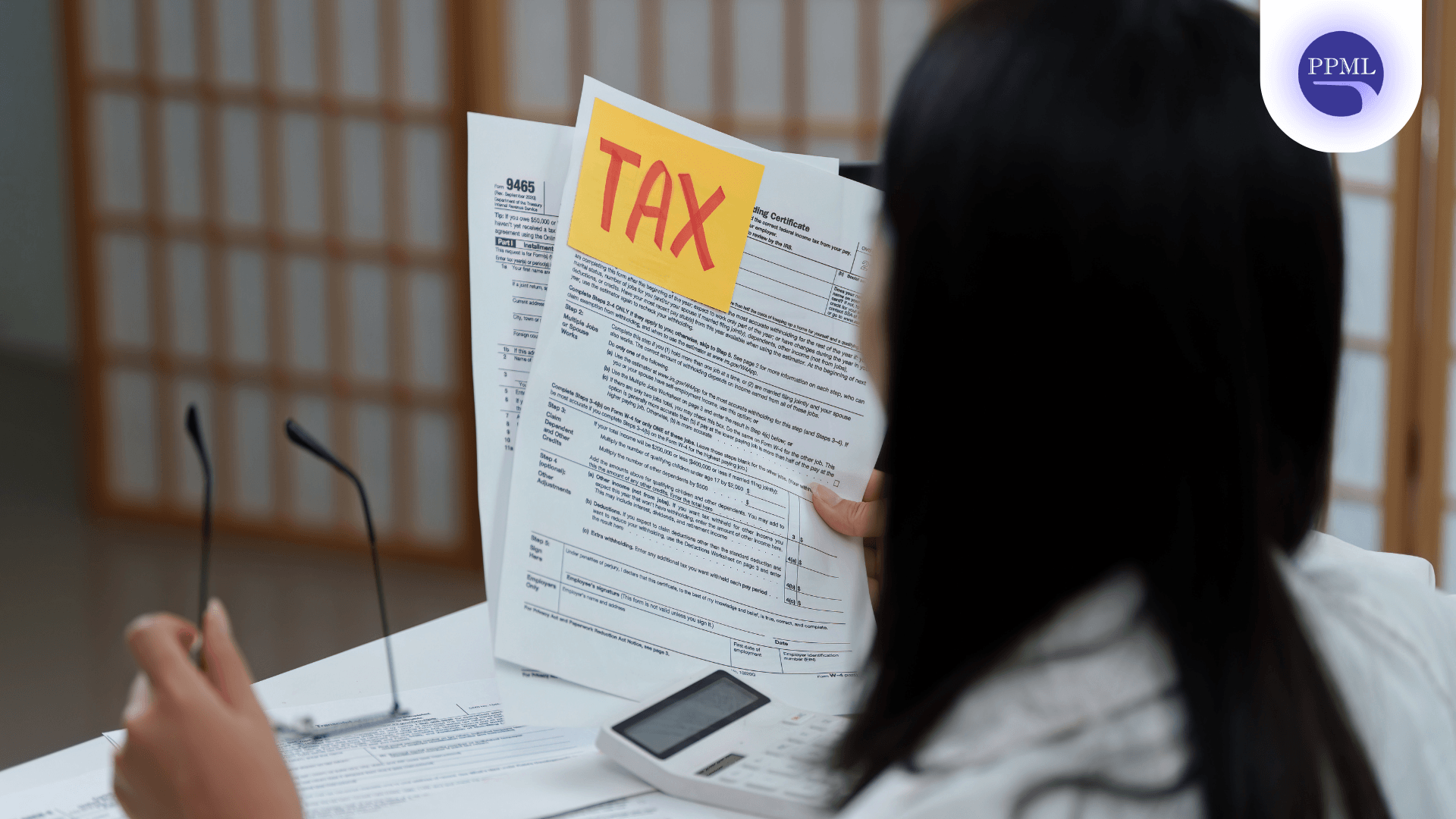
The E-Way Bill is probably the one people understand least. It’s generated on the government’s GST portal, using the mover’s GSTIN and the truck’s registration number, and it’s mandatory for any interstate shipment of goods valued over ₹50,000 – which, let’s be honest, covers almost every household’s worth of belongings once you add up furniture, electronics, and appliances together. What people don’t always realise is that it has a strict validity window tied directly to distance – roughly one day of validity per 200 km travelled. If your truck breaks down, gets held up by a strike, or simply runs behind schedule, the bill needs to be extended online before it expires, or the vehicle is technically travelling without valid documentation.
The Consignment Note, also called the LR copy, is simpler – it’s the mover’s formal acknowledgment that they’ve taken custody of your goods, listing the origin, destination, vehicle number, and freight charges. And the itemised packing list matters more than people expect, because officials at border checkpoints cross-reference it against the invoice specifically to rule out commercial goods being moved under the cover of a “personal relocation.” A vague list with generic descriptions slows this process down considerably; a properly numbered, room-by-room inventory speeds it up.
What Changes Depending on Where You’re Headed
The route out of Kolkata isn’t one-size-fits-all, and the checks along the way differ depending on which direction you’re travelling.
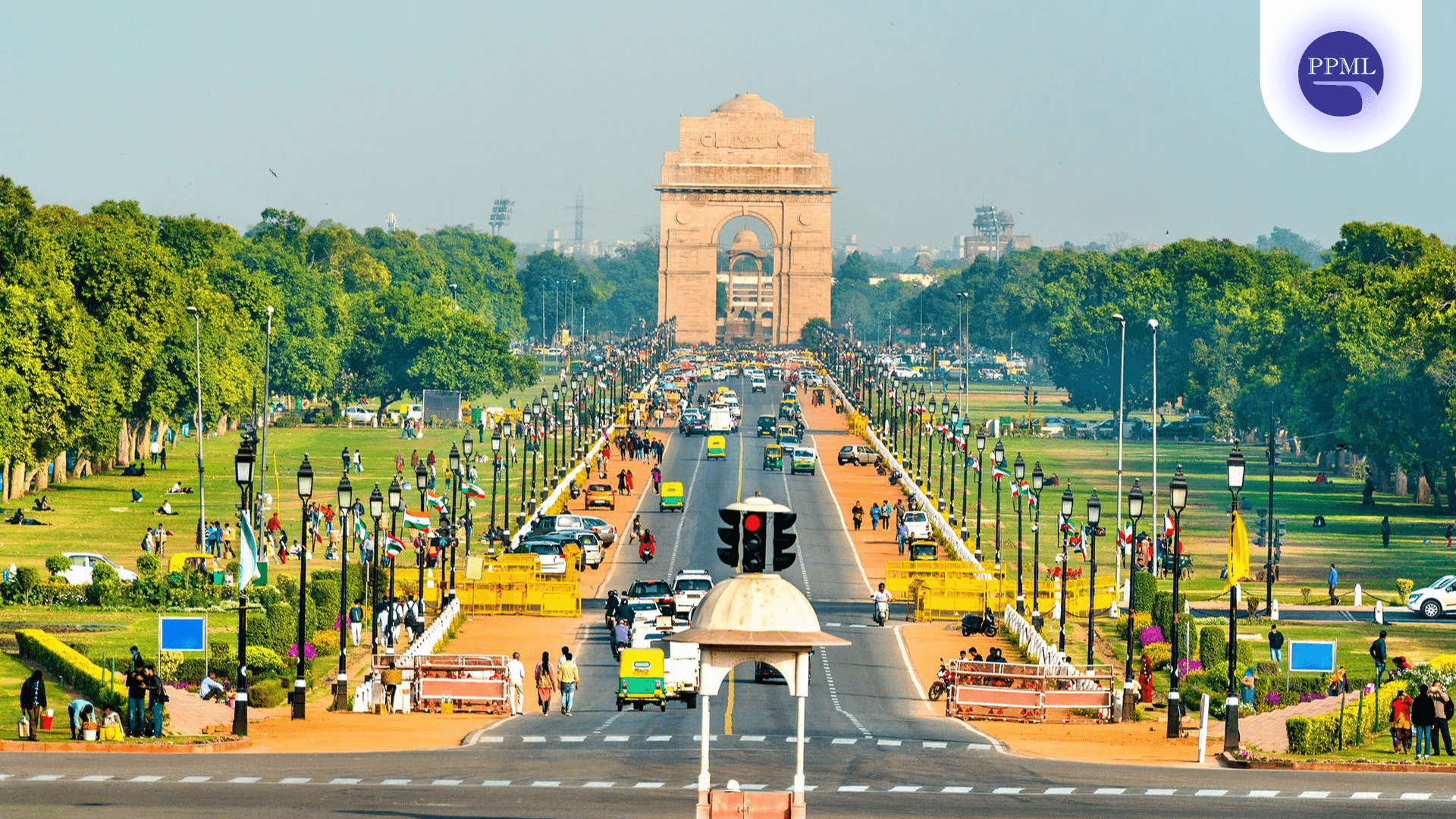
Heading north – towards Delhi, the wider NCR region, or Punjab – trucks typically travel via NH19, passing through Jharkhand, Bihar, and Uttar Pradesh. This is a dense toll corridor; expect frequent plazas across Bihar and UP specifically.
And if Delhi is your final destination, be ready for the city’s daytime no-entry restrictions on commercial vehicles, along with the Environment Compensation Charge mentioned earlier – a cost that catches people off guard simply because it’s specific to Delhi and doesn’t apply on the rest of the route.
Heading south or west – towards Chennai, Mumbai, Pune, or Bengaluru – trucks generally run via NH16 towards the south, or a combination of NH49 and NH53 towards Mumbai. Toll frequency here is moderate to high through Odisha and Andhra Pradesh, and both states’ transport authorities are known to run fairly rigorous checks on vehicle weight limits and fitness certificates at their border points.
It’s worth confirming with your mover that the assigned truck’s fitness certificate is current and matches what’s declared, since an expired certificate can hold up an entire shipment regardless of how good your packing list looks.
The Scam Pattern Worth Knowing About
There’s a fairly consistent pattern behind most of the “hidden charge” complaints we hear about from families who’ve had a bad experience with a different mover – and it’s worth recognising before it happens to you rather than after.
An operator offers an unusually low initial quote. The truck gets loaded, leaves Kolkata, and somewhere mid-route, a call comes in asking for cash to clear an “unexpected” toll or border fee that was never part of the original conversation. At that point, your belongings are effectively leverage, and most families end up paying just to keep the move moving.
The fix isn’t complicated – get a written, all-inclusive quotation upfront that explicitly states tolls, FASTag charges, and any state-level fees are already covered, and treat any mover who resists putting this in writing as a warning sign, not a negotiating tactic.
It’s also worth verifying a mover’s GST registration directly on the government portal rather than taking their word for it. Fraudulent operators sometimes use fake GST numbers, which means they legally cannot generate a valid E-Way Bill – putting your shipment at genuine risk of being fined or seized at a state border through no fault of your own except having trusted the wrong company.
A couple of smaller things worth confirming too : most major cities restrict commercial trucks from entering during daytime hours, typically somewhere in the range of 6 AM to 11 PM depending on the city, so ask whether your mover has actually planned the transit timeline around this rather than assuming the truck can just roll in whenever it arrives.
And don’t skip transit insurance – a comprehensive policy covering accidental damage, theft, and fire generally costs somewhere between 1.5 and 3 percent of your declared goods value, which is a small price against the risk of a genuinely long highway journey.
Final Word
None of this – tolls, entry fees, E-Way Bills – is complicated once someone actually explains it properly. The problem is that most people only learn about it when a driver calls mid-route asking for money they weren’t expecting to pay. Getting the documentation right and the quote written clearly before your truck leaves Kolkata removes almost all of that uncertainty.
If you’ve got an interstate move coming up, get in touch with Pradhan Packers and Movers for a route-specific quote that accounts for tolls, permits, and paperwork from day one – not as an afterthought once your truck is already on the highway.
PEOPLE ALSO ASK
No, Octroi was abolished nationally when GST came into effect. What still exists are different things entirely – state entry fees on commercial vehicles, city-specific environmental charges, and transit permits, none of which tax your actual belongings.
It gets charged double the standard toll for that plaza. This cost is a direct penalty and typically gets passed on to the customer, so it’s worth confirming your mover’s FASTag is properly funded before departure.
Yes, if the declared value of your goods exceeds ₹50,000 and they’re crossing a state border, which is the case for most full household moves. Your mover generates this using their GSTIN.
Delhi levies an Environment Compensation Charge on commercial vehicles entering the city, aimed at reducing pollution from heavy transport. It’s specific to Delhi and doesn’t apply on the rest of a typical route.
Get a written, all-inclusive quote that explicitly states tolls, FASTag charges, and border fees are already covered. This is the single most effective way to avoid a mid-route demand for extra payment.
Yes. Good documentation protects you from legal and compliance issues at checkpoints, but it doesn’t protect against accidental damage, theft, or fire during a long highway journey. Those risks call for a separate transit insurance policy.







Leave a Reply