
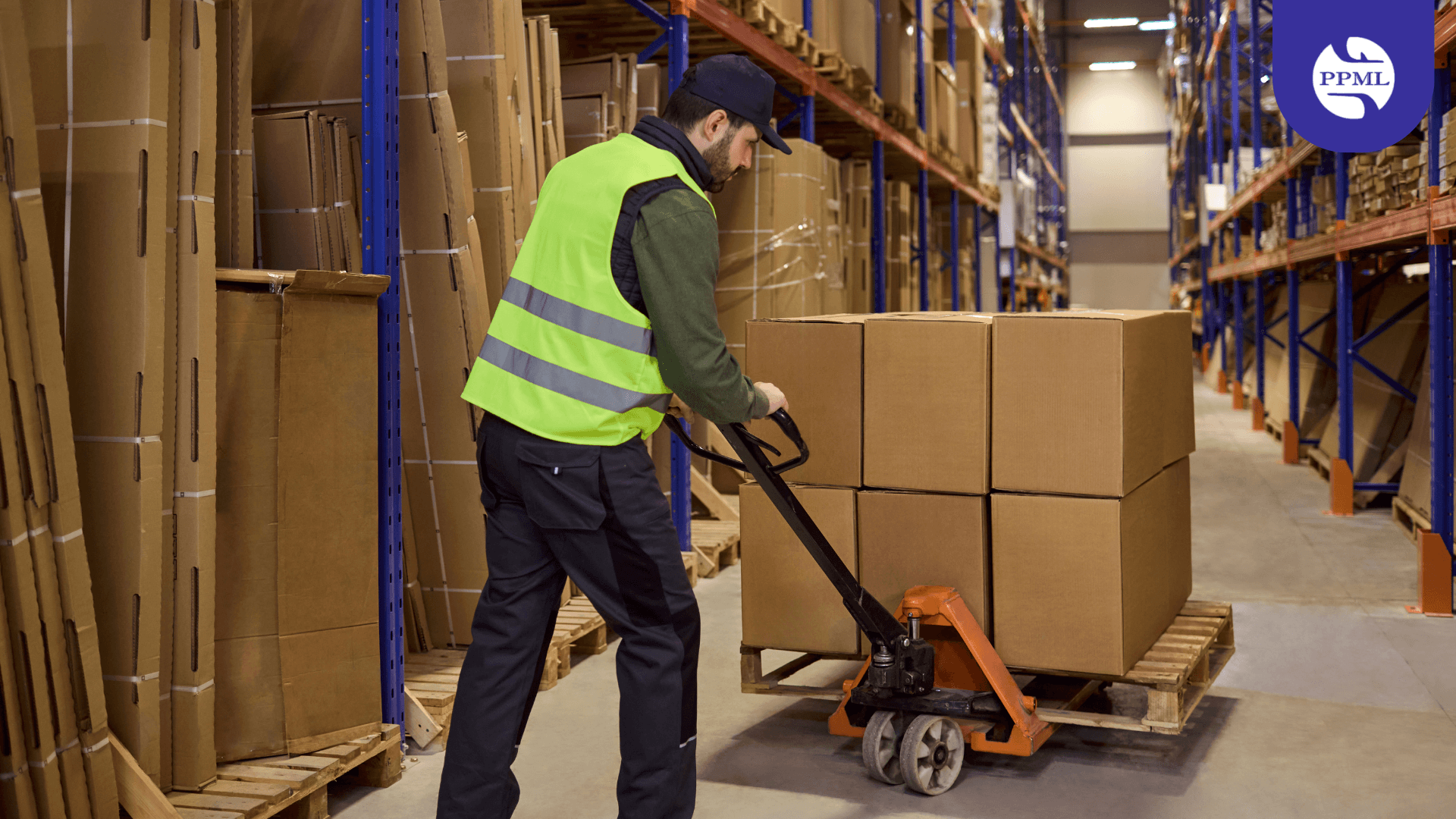
Storage sounds simple until you actually use it.
Most people assume it’s just “keep things safely somewhere for a while.”
But storage isn’t passive. It’s slow pressure, changing temperatures, zero movement, and months of silence.
And that’s exactly why mistakes here don’t show up immediately – they show up when you open the box later.
This is where using a structured storage provider like Pradhan Packers and Movers changes the outcome – not because storage is complicated, but because it’s easy to underestimate.
Let’s break this down properly.
Table of Contents
ToggleThe Do’s (What Actually Protects Your Items Over Time)
Storage isn’t about keeping things “somewhere safe.” It’s about protecting them from slow, invisible damage that builds over weeks and months. The right decisions here don’t feel urgent – but they’re the ones that decide whether your items come back usable or ruined.
Do Proper Research (Don’t Just Compare Price)
Storage isn’t a one-day service – it’s a long-term responsibility.
Before choosing a provider :
- Check real customer feedback (not just ratings)
- Ask about security systems (CCTV, access control)
- Visit the facility if possible
A clean, organized warehouse usually signals disciplined operations. A messy one usually predicts future problems.
Do Maintain a Clear Inventory
This is the first thing people skip – and regret later.
Create :
- A simple item list
- Photos of valuable or fragile items
- Box-wise details if possible
Because after 3 months, you won’t remember what’s inside “Box 7.”
And if something goes missing or gets damaged, this documentation becomes your only proof.
Do Invest in Proper Packing
Storage damage is rarely caused by handling.
It’s caused by time + poor packing.
Use :
- Bubble wrap for fragile items
- Corrugated sheets for furniture
- Moisture-resistant materials
- Strong cartons (not reused weak boxes)
Professional packing matters more in storage than in transport.
Do Think About Climate Control
Not everything needs climate-controlled storage – but some things absolutely do.
Consider it for :
- Electronics
- Wooden furniture
- Artwork
- Documents
Humidity is silent damage. You won’t see it happening – but you’ll see the result later.
Do Read the Terms (Properly, Not Quickly)
Most people skim this part.
Instead, check :
- Storage duration flexibility
- Hidden charges
- Insurance clauses
- Access rules
Clarity upfront saves arguments later.
Do Label Everything Clearly
Sounds basic. Rarely done properly.
Good labeling includes :
- Room name
- Item category
- “Fragile” or handling instructions
This helps both during storage and retrieval.
Do Take Insurance Seriously
Skipping insurance feels like saving money – until something goes wrong.
At minimum, confirm :
- What’s covered
- Claim process
- Value limits
Storage is low-risk, not zero-risk.
The Don’ts (Where Most Storage Mistakes Happen)
Most storage problems don’t come from big mistakes – they come from small assumptions. Overloading a box, skipping cleaning, ignoring moisture… these things don’t fail instantly. They fail slowly, and by the time you notice, it’s already too late.
Don’t Store Perishable or Organic Items
No food. No plants. No biodegradable materials.
Even one forgotten item can :
- Attract pests
- Cause odor spread
- Damage nearby items
Don’t Keep Hazardous Materials
Avoid :
- Flammable liquids
- Chemicals
- Gas cylinders
Most professional storage facilities won’t allow this anyway – for good reason.
Don’t Overload Boxes
Overpacked cartons fail slowly.
What happens :
- Bottom layers collapse
- Items get compressed
- Box structure weakens over time
Better to use more boxes than heavier ones.
Don’t Ignore Item Placement Strategy
Storage isn’t random stacking.
Think ahead :
- Keep frequently needed items accessible
- Place heavy items at the bottom
- Avoid crushing delicate items
A little planning here saves hours later.
Don’t Assume Security Is Standard Everywhere
Not all storage facilities are equal.
Verify :
- CCTV coverage
- Entry restrictions
- Staff supervision
- Pest control routines
Security isn’t a feature. It’s a baseline requirement.
Don’t Store Items Without Cleaning Them First
This is one of the most overlooked mistakes.
Unclean items :
- Attract pests
- Develop odor
- Degrade faster over time
Especially important for :
- Appliances
- Furniture
- Clothing
Don’t Leave Large Items As-Is
Disassemble when possible.
It :
- Saves space
- Reduces pressure damage
- Makes stacking safer
Where Professional Storage Services Actually Help
A lot of people try to manage storage themselves to save cost.
But here’s what usually happens :
- Packing isn’t storage-grade
- Inventory isn’t tracked properly
- Items are stored without environmental planning
That’s where structured providers like Leo Packers and Movers come in with :
- Organized storage systems
- Climate-controlled options
- 24/7 monitored facilities
- Professional packing support
It’s less about convenience and more about reducing long-term risk.
The Reality of Storage (What Most People Learn Late)
Storage damage is rarely dramatic.
It’s subtle :
- Slight moisture
- Minor compression
- Slow material degradation
And by the time you notice it, it’s already done.
If you approach storage casually, you pay for it later.
If you treat it like a controlled environment, your items come back exactly how you left them.
That’s the difference.
Read More Helpful Relocation Articles
PEOPLE ALSO ASK
Avoid storing perishable goods, plants, flammable materials, and chemicals. These can attract pests, create safety risks, and damage other stored items over time.
It’s not mandatory, but it’s highly recommended. Insurance protects you financially in case of damage, theft, or unexpected incidents during the storage period.
Use proper wrapping materials like foam and corrugated sheets, avoid direct floor contact, and ensure items are clean and dry before storage to prevent moisture damage.
Yes, but only with proper precautions. Use anti-static wrapping, remove batteries, and ensure moisture protection to prevent internal damage.
Use strong cartons, avoid overloading, place heavier items at the bottom, and fill empty spaces to prevent movement and collapse over time.
For items like electronics, wooden furniture, documents, and artwork – yes. Humidity and temperature fluctuations can cause serious long-term damage.
Keep frequently used items accessible, label all boxes clearly, and maintain an inventory list so retrieval becomes easy and efficient.

Leave a Reply