

The first time you set up a warehouse, it feels like progress.
More space. More racks. Finally things look “sorted.”
For a few weeks, it works.
Then orders pick up.
And suddenly :
- Someone can’t find a SKU that should be there
- Packing takes longer than expected
- Returns start creeping up
- Dispatch gets delayed for no obvious reason
Nothing is “broken.” But nothing feels smooth either.
That’s usually the moment you realise – a warehouse is not about storage.
It’s about flow.
And if flow isn’t designed properly, scale exposes every small mistake.
Table of Contents
ToggleIt Starts With a Simple Question Most People Skip
Before setting up anything, ask this : How will a product move from entry to exit?
Not where it will sit. Where it will move.
Because every product in your warehouse follows the same journey :
- It enters
- It gets stored
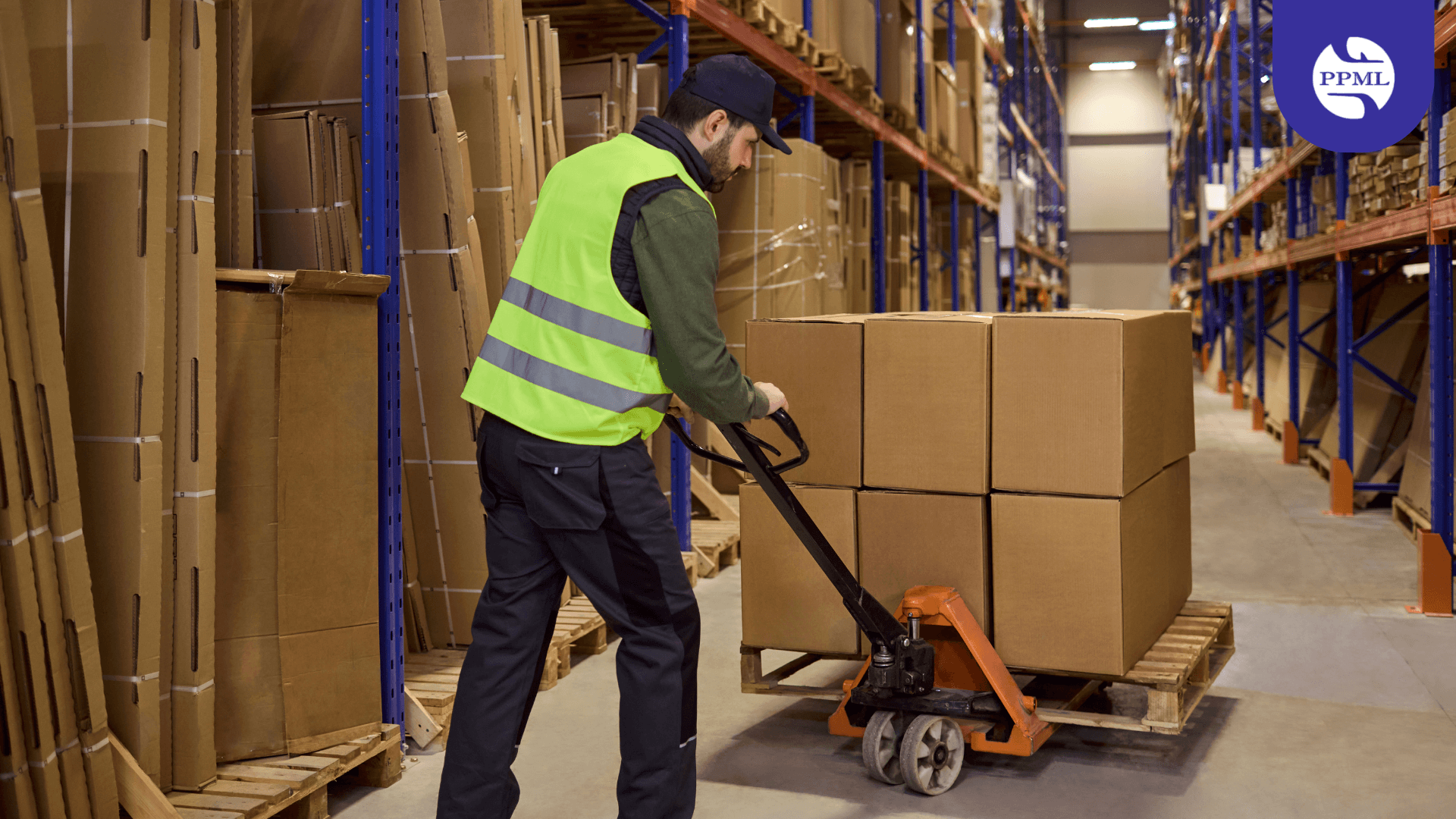
- It gets picked
- It gets packed
- It leaves
If that journey is unclear or inconsistent, the warehouse slowly becomes friction.
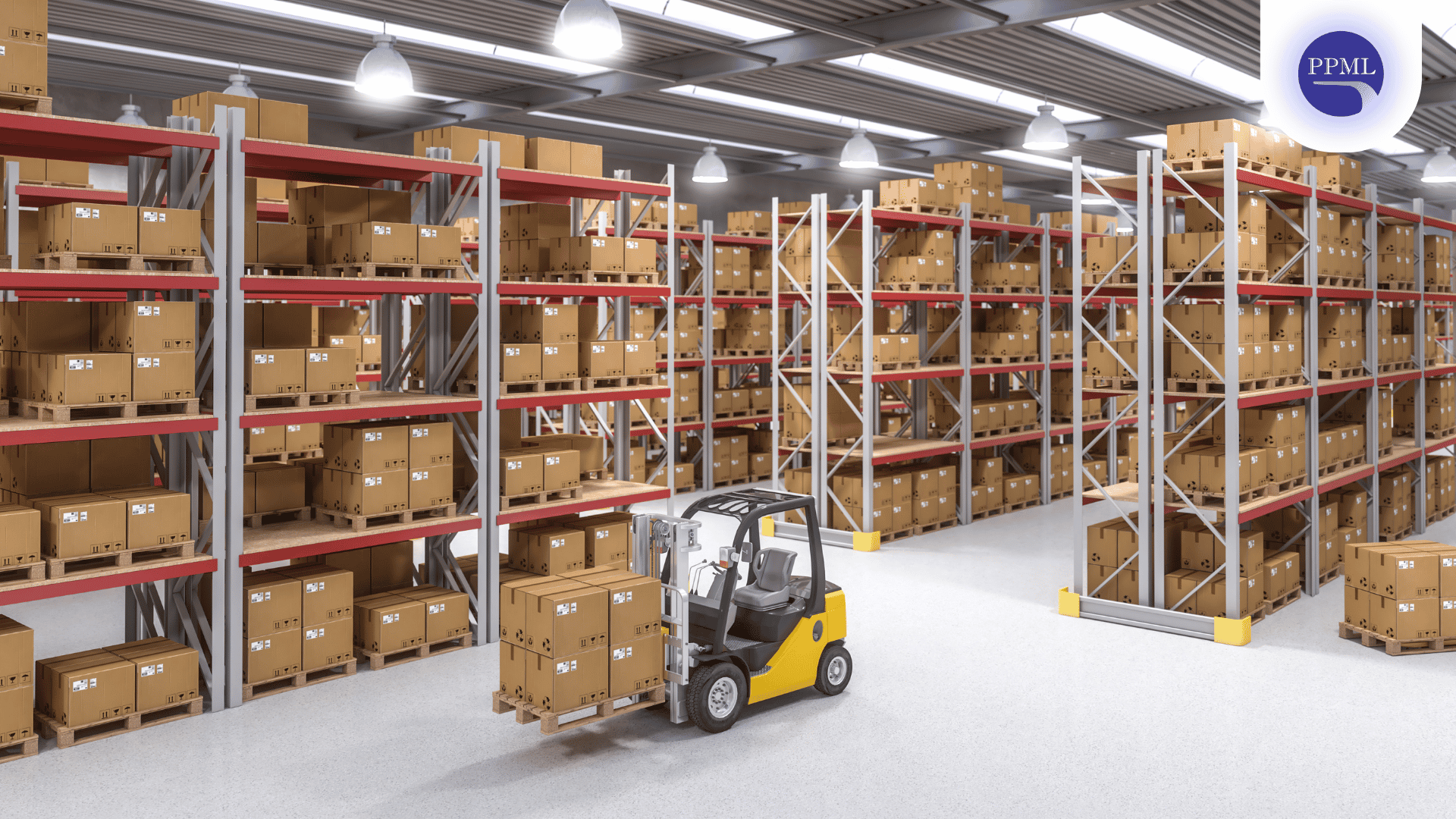
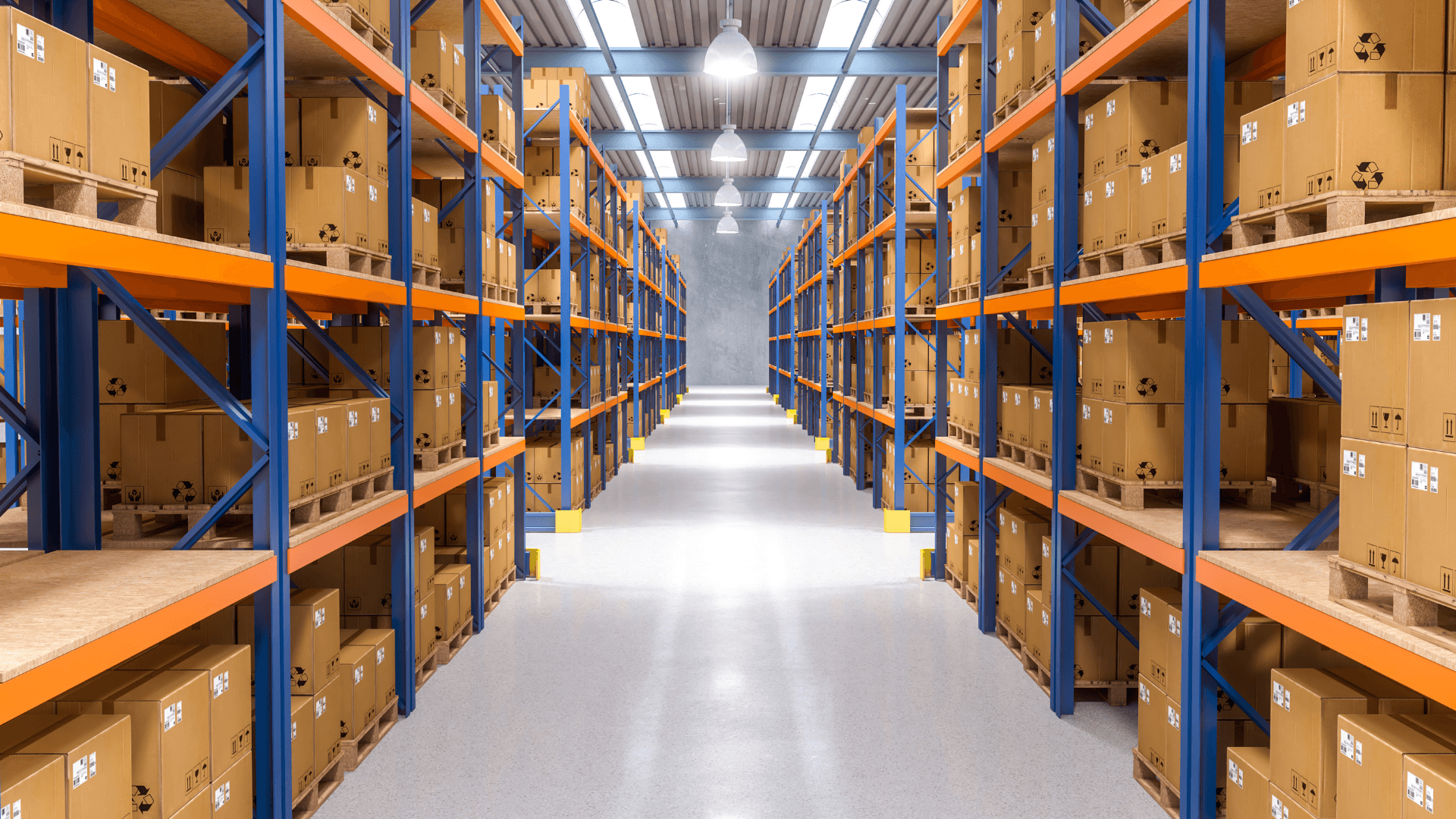
Layout : Where Good Warehouses Feel Effortless
You can tell a well-designed warehouse in 5 minutes.
People aren’t walking back and forth unnecessarily.
No one is “searching” for things.
There’s no confusion around where something belongs.
Most first-time setups do the opposite.
They store items wherever space is available. It feels efficient in the moment.
But later :
- Fast-selling products get buried inside
- Pickers waste time walking
- Mistakes increase
A small shift fixes a lot : Keep your fastest-moving items closest to dispatch.
Not because it looks good.
Because it saves minutes on every order – and those minutes add up fast.
Inventory : The Moment Guesswork Stops Working
Early on, people manage inventory in their head.
Or maybe a spreadsheet.
It’s manageable when volume is low.
Then one day : You sell something that isn’t actually in stock.
That’s when the system breaks.
At that point, you don’t need “better tracking.”
You need visibility.
Every item should be :
- Scannable
- Traceable
- Updated in real time
Not for control. For confidence.
Because nothing slows a warehouse more than uncertainty.
Receiving Stock : The Quiet Place Where Errors Begin
This part feels routine.
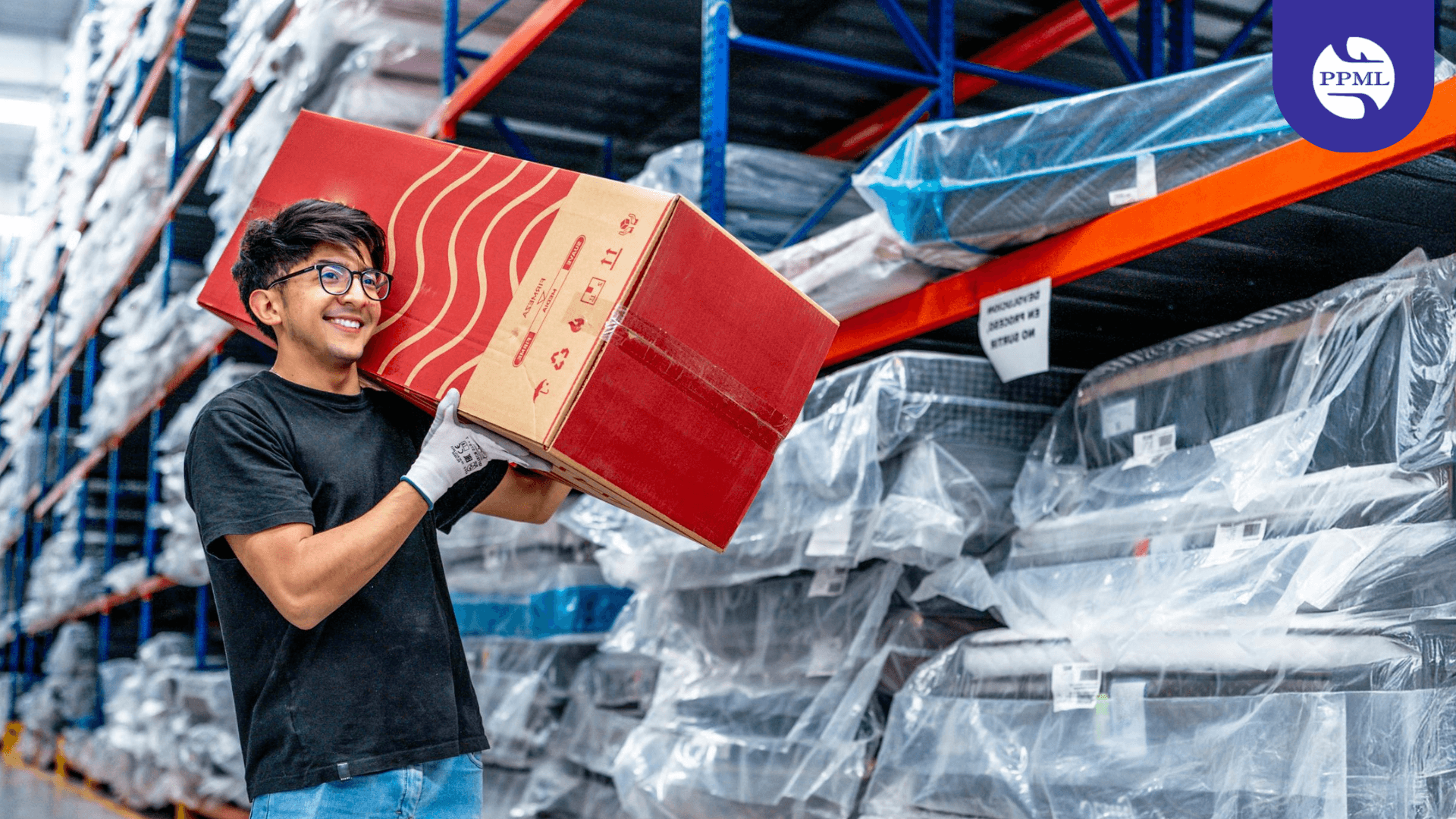
Boxes come in. They’re unloaded. Stored.
Done.
Except… this is where most future problems start.
If incoming stock isn’t checked properly :
- Damaged items enter your system
- Counts are off from day one
- Wrong SKUs get stored
And these errors don’t show immediately.
They show later – during picking, packing, and delivery.
That’s why disciplined teams slow down here.
They verify before they store. It feels like extra work in the moment. It saves hours later.
Picking & Packing : Where Pressure Builds
This is where your warehouse gets tested.
Not during setup. Not during planning.
But when 100+ orders are waiting to be shipped.
Picking errors usually come from :
- Poor labelling
- Confusing layout
- Similar-looking products
Packing errors come from :
- Rushed processes
- No standard method
- Lack of checks
And here’s the thing most people miss : A single mistake doesn’t stay single.
It becomes :
- A return
- A support ticket
- A negative review
- A lost customer
So small inefficiencies here are not small.
Dispatch : The Only Part Customers Actually Feel
Customers don’t care how your warehouse is set up.
They care when their order ships.
So even if everything inside is 90% right – a delay at dispatch makes it feel like 0%.
Smooth dispatch usually comes down to :
- Clear separation of packed vs pending orders
- Pre-defined courier processes
- No last-minute confusion
When dispatch is clean, everything feels under control.
When it’s messy, everything feels late.
The Part No One Plans : Growth
Most warehouses are designed for current volume.
Not future volume.
That’s why they start breaking at scale.
More orders mean :
- More movement
- More pressure on systems
- More chances for error
At some point, patching stops working.
You need to rethink the setup.
Sometimes that means reorganising. Sometimes it means shifting entirely.
And that’s where experienced teams like Pradhan Packers and Movers company in Kolkata come in – not just to move inventory, but to handle the transition without disrupting operations.
Because a warehouse shift is not just physical. It’s operational.
Inside the City : The Hidden Layer
Even if your main warehouse runs smoothly, there’s another layer people underestimate.
Movement within the city.
Stock transfers. Urgent restocking. Hub-to-hub movement.
This is where reliable local moving services in Kolkata become critical.
Because delays here don’t look like warehouse problems.
But they affect availability, dispatch, and delivery timelines.
Mistakes That Don’t Look Like Mistakes
Some things don’t feel wrong – until they scale :
- Keeping “extra stock just in case”
- Not updating layout as SKUs increase
- Relying on people instead of systems
- Ignoring small delays in picking
Individually, these are manageable.
Together, they slow everything down.
What Actually Makes Warehouse Work
Not size.
Not expensive systems. Not even location.
It’s clarity.
- Clear movement
- Clear placement
- Clear tracking
- Clear responsibility
Once those are in place, even a small warehouse can outperform a bigger one.
Final Thought
Most warehouses don’t fail. They just become inefficient slowly.
And because the decline is gradual, it’s easy to ignore.
Until it starts affecting customers.
The smarter approach is not to “fix problems later.”
It’s to design flow early.
Because in e-commerce, operations don’t just support growth. They either enable it… or quietly limit it.
PEOPLE ALSO ASK
It manages storage, inventory tracking, and order fulfillment to ensure fast and accurate delivery.
By improving layout, using real-time inventory systems, and streamlining picking and packing processes.
When order volume increases and delays, errors, or inefficiencies start becoming frequent.
Mostly due to poor layout, lack of tracking systems, and rushed or unclear processes.
Yes, especially for bulk inventory and operational continuity during transitions.

Leave a Reply