
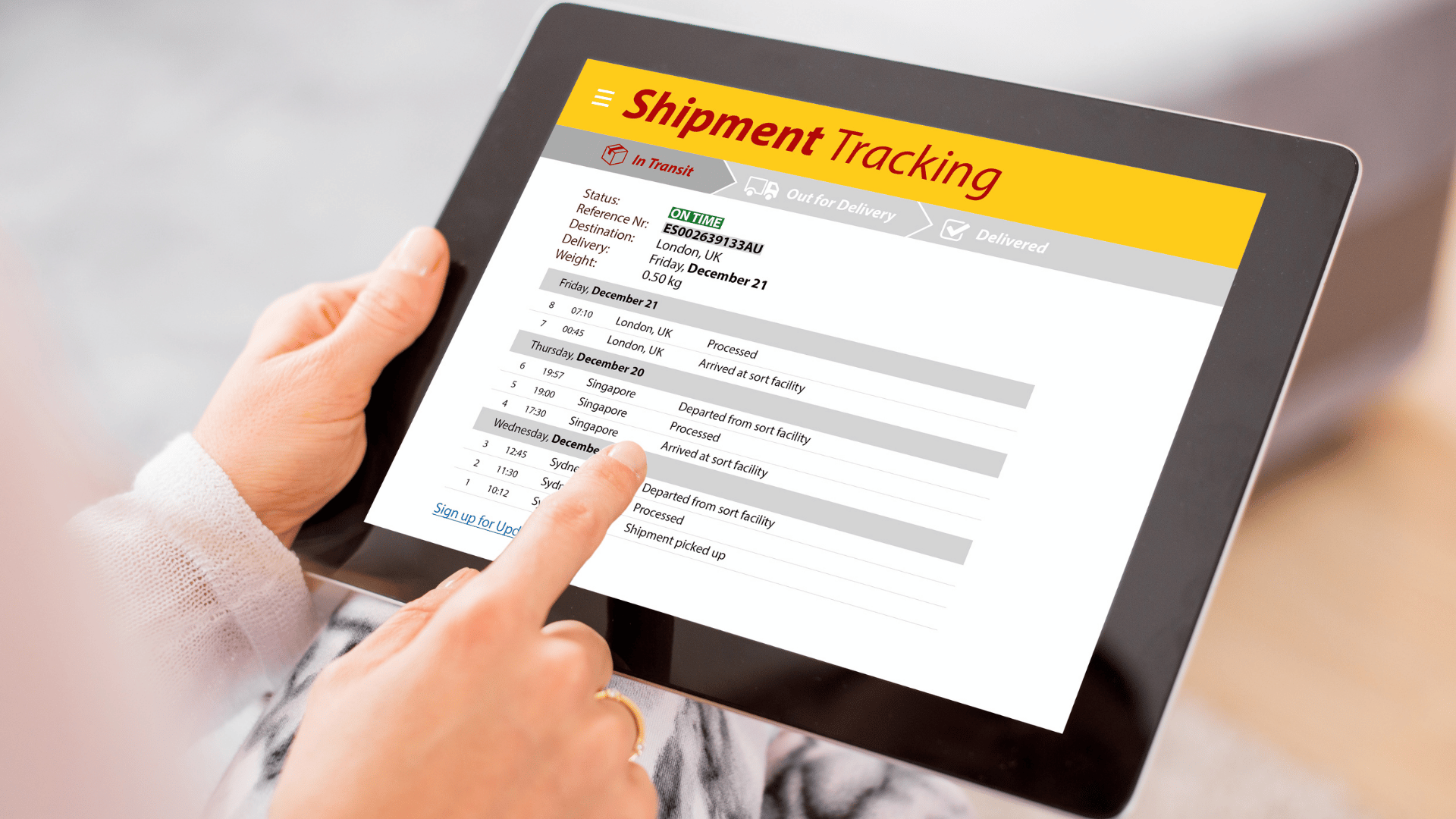
Not very long ago, local shifting usually came with one uncomfortable routine.
Pack the house. Wait for the truck. Call repeatedly. Ask where the vehicle reached. Estimate arrival time based on guesses. Then sit with packed cartons hoping everything reaches safely.
People accepted this as normal. But expectations have changed.
Today, whether someone is shifting a small apartment inside Kolkata or relocating an office across the city, they want visibility. They want updates. They want to know if loading is complete, whether the truck is moving, when delivery will happen, and what stage the move is currently in.
That shift in customer expectations is changing how relocation works. Digital tracking is no longer something limited to courier companies or large logistics businesses. It is gradually becoming part of everyday local shifting experiences as well. And in reality, this change is reducing confusion more than people realize.
Table of Contents
ToggleWhy Local Shifting Needed Better Visibility
Local shifting sounds simple on paper. Pack. Load. Transport. Unload. But people who have actually moved know that delays rarely happen on highways.
They happen because of:
- Late packing completion: Unexpected household volume slows loading.
- Building restrictions: Lift bookings and moving windows delay schedules.
- Traffic conditions: Urban congestion affects delivery timelines.
- Coordination gaps: Multiple teams working separately create confusion.
This becomes more visible in metro cities where apartment relocations happen every day. Customers no longer want vague answers. They want real information. That is where digital relocation systems are changing expectations.
From Phone Calls to Real-Time Movement Updates
Earlier, most moving communication looked like this.
- Truck left.
- Should reach in some time.
- Driver is nearby.
That approach worked for years but left customers uncertain. Today digital tracking systems allow people to understand movement without repeatedly calling.
Modern relocation processes now include:
- Live vehicle visibility: Customers receive movement updates during transit.
- Delivery timeline estimates: More realistic arrival windows reduce waiting.
- Digital status notifications: Important milestones become visible automatically.
- Faster coordination: Teams stay aligned internally.
This may sound small, but during shifting day, reduced uncertainty changes the entire experience.
GPS Tracking Is Making Local Relocation More Predictable
One of the biggest changes in local relocation has been GPS-enabled transport visibility. When vehicles are digitally monitored, customers gain confidence because movement becomes visible.
Benefits usually include:
- Route awareness: Better understanding of delivery progress.
- Delay alerts: Unexpected issues become visible earlier.
- Better planning: Families prepare unloading accordingly.
- Reduced follow-up calls: Information becomes available proactively.
This matters even more during apartment shifting. Nobody wants workers waiting outside because timing was unclear.
Smarter Route Planning Is Reducing Delay and Fuel Waste
Most people think relocation delays happen because trucks move slowly. In reality, route decisions matter more.
Digital route planning systems now help improve:
- Traffic avoidance: Routes adjust according to urban conditions.
- Time estimation: More realistic planning reduces waiting.
- Vehicle utilization: Better load balance improves efficiency.
- Operational coordination: Teams remain aligned.
For local shifting in busy Indian cities, this can save both time and unnecessary transportation cost.
Digital Inventory Tracking Is Reducing Confusion
This is becoming increasingly useful. One common moving complaint used to be: “I packed it but now I can’t find it.”
Digital inventory systems are helping reduce that problem.
Simple tagging and item logging improve:
- Carton identification : Easier unpacking.
- Tracking during loading : Visibility of handled items.
- Delivery confirmation : Better handover accuracy.
- Reduced misplaced goods : Less confusion after shifting.
People moving larger households often appreciate this much more than expected.
Online Booking Is Changing How People Plan Moves
Earlier relocation bookings usually involved:
- Phone calls.
- Site visits.
- Paper quotations.
- Manual negotiation.
Now customers increasingly expect:
- Instant quotation requests
- Digital approvals
- Online scheduling
- Payment tracking
- Paperless documentation
And this makes local shifting feel far less chaotic. People can compare services and organize relocation before packing even starts.
Better Packaging Is Working Alongside Digital Systems
Tracking alone does not prevent damage. Packing still matters. The difference now is that packaging standards are becoming more structured.
Modern moving processes increasingly focus on:
- Multi-layer cartons: Better protection against compression.
- Shock-resistant wrapping: Useful for fragile goods.
- Moisture protection: Important during changing weather conditions.
- Organized labeling: Easier unloading and setup.
This is particularly helpful for categories like Fine Art Moving, electronics, and delicate household goods.
Real-Time Communication Is Reducing Relocation Stress
One thing technology is improving quietly is communication. Instead of waiting for updates, customers increasingly receive notifications during different stages.
Examples include:
- Booking confirmation: Immediate scheduling clarity.
- Loading updates: Visibility before departure.
- Delivery progress: Better arrival preparation.
- Completion confirmation: Faster closure.
Small communication improvements reduce stress significantly during relocation.
Digital Tracking Is Expanding Beyond House Shifting
This shift is not limited to residential relocation. Technology is becoming relevant across multiple categories.
Examples include:
- House Shifting : Better timing and tracking.
- Office Shifting : Reduced operational downtime.
- Car Transport : Improved vehicle movement visibility.
- Storage Solutions : Better inventory monitoring.
- Interstate Shifting : More transparent long-distance relocation.
Customers increasingly expect visibility regardless of move size.
What Local Shifting May Look Like in the Future
The industry is changing gradually.
Future developments may include:
- Smart sensors : Monitoring environmental conditions.
- Automated inventory systems : Faster tracking.
- Digital damage records : Better claims handling.
- Predictive scheduling : Improved delivery timing.
- Sustainable packaging : Reduced material waste.
Technology will not replace experienced movers. But it will continue reducing uncertainty. And for most families, that is the part that matters.
PEOPLE ALSO ASK
Digital tracking allows customers to monitor relocation progress through location updates, status notifications, and shipment visibility.
Yes. GPS tracking improves route visibility, timing estimates, and communication during transportation.
Tracking itself does not prevent damage, but combined with proper packing and handling, it improves overall relocation control.
Is online booking available for local shifting?
Yes. Inventory tracking improves carton identification and reduces misplaced household items.
Very useful. Office shifting often depends on timing accuracy and movement visibility.
Yes. Digital systems are increasingly used in Car Transport and other vehicle relocation services.




Leave a Reply