
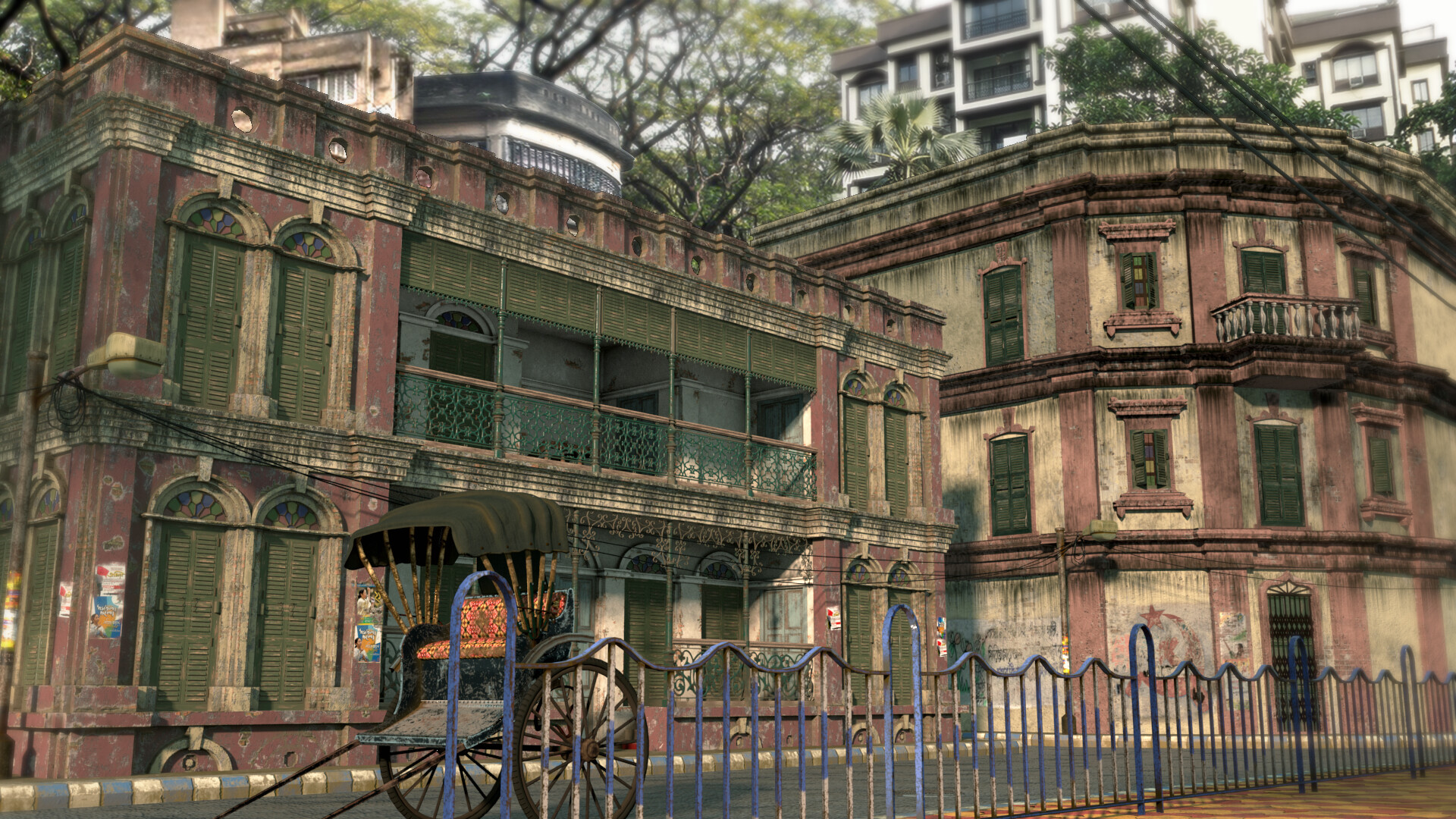
Spend five minutes inside an old building in Kolkata and you’ll understand this immediately – these places were never built for modern shifting.
They were built for a different time.
High ceilings, yes. Beautiful balconies, yes. Thick walls, yes.
But also : tight staircases, uneven steps, no lifts, and corners that make no logical sense when you’re trying to move a fridge.
And the mistake most families make?
They treat it like a normal move.
It’s not.
After seeing enough of these relocations – especially in areas like North Kolkata or old parts of Central Kolkata – you start noticing a pattern.
The risk isn’t obvious in the beginning.
It shows up slowly… during the move.
Table of Contents
ToggleThe Staircase Problem No One Thinks About Properly
In reality, the staircase itself becomes the biggest challenge.
These staircases are :
- Narrow
- Steep
- Often uneven
- Full of sharp turns
And not designed for :
- Wardrobes
- Double-door refrigerators
- Washing machines
I’ve seen a simple sofa get stuck midway because the turn was too tight to rotate it.
And once you’re stuck there, it’s not just delay – it becomes a risk.
You’re trying to :
- Protect the item
- Avoid damaging walls
- Not slip on old steps
All at the same time.
That’s where things start going wrong.
No Lift Means Everything Becomes Physical
And it’s not just time.
Fatigue builds up.
When people get tired :
- Grip weakens
- Coordination drops
- Mistakes increase
That’s when damage happens – not at the start, but in the later half of the move.
Corners, Ceilings, and Awkward Layouts
But that character creates problems during shifting.
You’ll find :
- Low hanging beams
- Narrow hallways
- Odd room entries
- Angled doorways
So even if something fits in your house normally, taking it out becomes a different challenge.
You can’t move straight.
You have to tilt, rotate, adjust constantly.
And one wrong angle :
- Scratches the wall
- Damages furniture
- Or both
The “Don’t Damage Anything” Pressure Is Real
In older buildings, walls aren’t just walls.
They’re :
- Old plaster
- Sometimes weak
- Sometimes already cracked
Even a small hit :
- Leaves a visible mark
- Can trigger complaints
And unlike modern societies, these issues become personal quickly.
Neighbours notice.
Caretakers notice.
Owners get involved.
It’s not just about moving out quietly – it’s about not leaving a problem behind.
Access Issues Most Families Realize Too Late
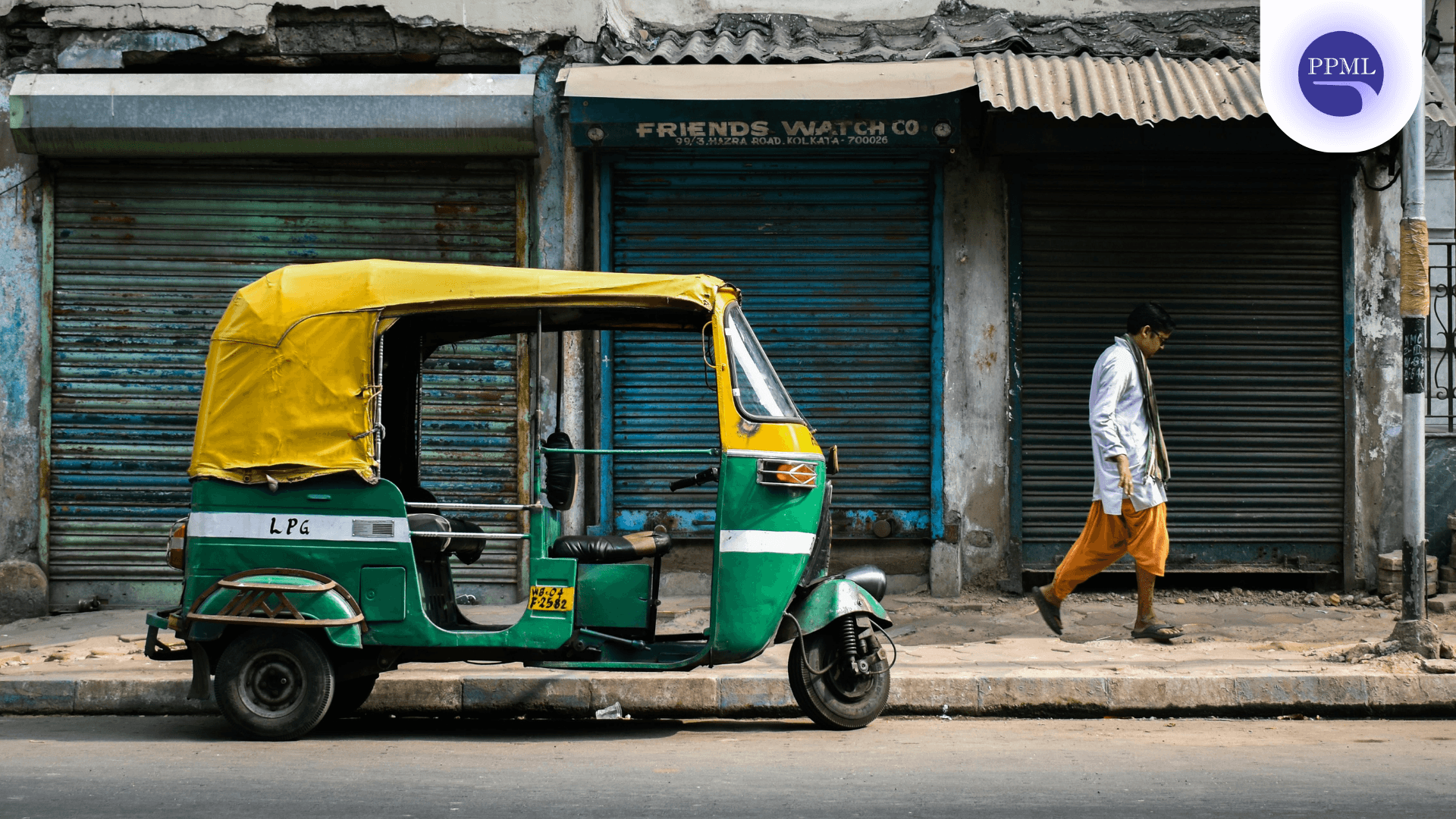
Another common issue – the truck doesn’t reach the building easily.
Old Kolkata lanes can be :
- Extremely narrow
- Congested
- Not accessible for large vehicles
So what happens?
Goods get :
- Transferred to smaller vehicles
- Or carried manually for longer distances
This adds :
- Time
- Cost
- More handling (which increases risk)
And this part is almost always underestimated.
Why Costs Suddenly Increase in These Moves
Families often feel : “Why is this move more expensive than expected?”
But the extra cost usually comes from :
- More manpower required
- Slower movement
- Extra safety handling
- Access complications
It’s not random pricing.
It’s because the work itself becomes harder.
Where Experienced Movers Actually Make a Difference
This is where you see the gap between a basic team and an experienced one.
In older buildings, careful movers usually :
- Dismantle large furniture before moving
- Use extra padding on edges
- Assign someone just to guide movement on stairs
- Plan exit routes before lifting anything
Teams like PRADHAN PACKERS AND MOVERS, for example, tend to approach these jobs differently.
Not faster – but more controlled.
Because in these buildings, speed usually creates problems.
The Hidden Risk Nobody Talks About
The biggest risk is not damage.
It’s misjudgment.
Families assume : “It will be a bit difficult, but manageable.”
But once the move starts, they realise :
- The staircase is tighter than expected
- The fridge doesn’t turn
- The time doubles
- The stress builds
And at that point, you’re already in the middle of it.
No easy fixes.
Final Thought
Old buildings in Kolkata are beautiful to live in.
But they are not easy to move out of.
The structure, the layout, the access – everything works against a smooth relocation.
That doesn’t mean it will go wrong.
It just means it needs more awareness.
More patience. More planning. And slightly more respect for the space you’re moving through.
Because in these buildings, shifting is not just about taking things out.
It’s about navigating a place that was never designed for it.
PEOPLE ALSO ASK
Because of narrow staircases, no lifts, weak structures, and difficult layouts that make moving large items risky.
Yes, usually. More manpower, time, and effort are required, which increases the cost.
Yes. Tight turns, low ceilings, and uneven movement increase the chances of scratches or breakage.
Plan early, declutter large items, dismantle furniture, and hire experienced movers who understand these challenges.
Yes, but it requires careful handling, proper planning, and realistic expectations about time and effort.







Leave a Reply