
Most people think moving is just about packing boxes and shifting furniture.
Then they see a treadmill.
Or a full squat rack bolted into the floor.
Or a commercial cable machine that doesn’t even fit through the door in one piece.
That’s when the reality hits – this isn’t a normal move.
And honestly, we learned that the hard way when we handled one of the most demanding relocations in Kolkata – the shift of a full commercial setup for Kris Gethin Gyms.
Table of Contents
ToggleThis Wasn’t Just Equipment. It Was a Working Gym.
The brief sounded simple at first.
“Shift the entire gym and set it up again.”
But once we walked in, it was clear – this wasn’t a household treadmill move.
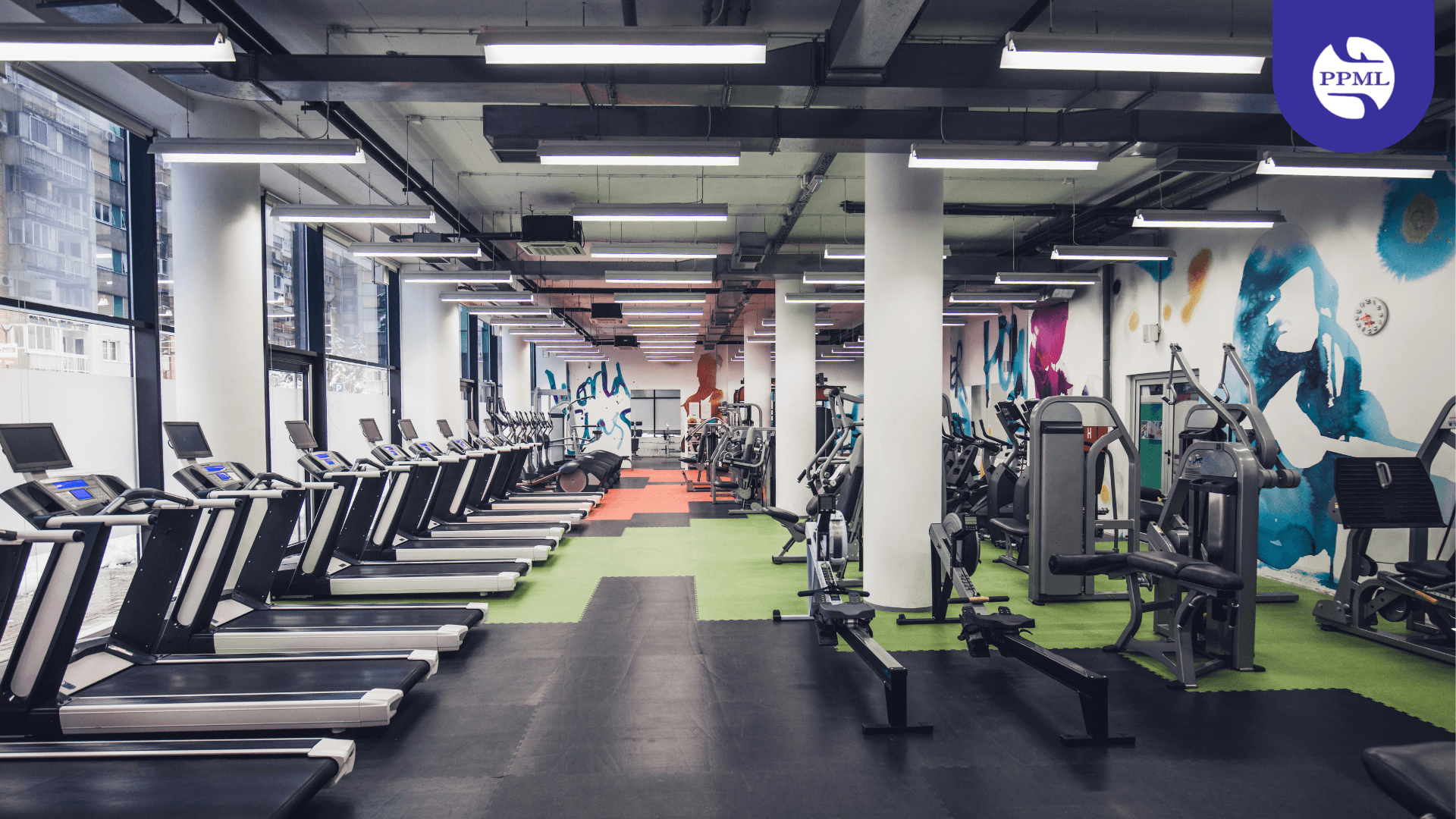
We were looking at :
- Fully loaded strength machines
- Commercial treadmills with built-in consoles
- Dumbbell racks crossing hundreds of kilos
- Cable systems fixed into structure points
- Mirrors, flooring, and layout dependencies
And unlike a home move, this gym couldn’t afford trial and error.
It had to open again – fast, functional, and ready.
The First Problem : You Can’t Just “Lift and Move” Gym Equipment
A treadmill in a house is heavy.
A treadmill in a commercial gym is something else entirely.
The machines were not only heavy but also :
- Electrically sensitive
- Structurally complex
- Designed to stay fixed, not moved
Even a small mistake – a dropped angle, a loose cable, improper dismantling – could make a machine unusable.
And in a gym, that’s not just damage.
That’s lost business.
Step 1 : We Didn’t Start Packing – We Started Mapping
Before touching anything, we created a full inventory.
Not just a list – a working map of the entire gym:
- What gets dismantled
- What moves as-is
- What needs special packing
- What sequence everything should go in
Because here’s the difference most people miss : In a house, you unpack and adjust.
In a gym, setup order matters. If you get that wrong, everything slows down.
Step 2 : Dismantling Without Guesswork
This was the most sensitive part.
Machines like cable crossovers and multi-gyms aren’t designed for casual disassembly. One wrong step, and reassembly becomes a nightmare.
So every part we removed was:
- Labeled
- Tagged
- Packed with its corresponding unit
- Documented for reverse setup
Even screws weren’t “just screws.” They were mapped to machines.
Because losing a ₹20 bolt can stall a ₹2 lakh machine.
Step 3 : Packing That Handles Weight + Movement
Normal packing doesn’t work here.
We had to combine layers :
- Bubble wrap for consoles and screens
- Foam sheets for surface protection
- Stretch film for locking structure
- Heavy-duty cartons for detachable parts
The goal wasn’t just protection.
It was zero movement during transit.
Because when machines move inside the truck, damage starts silently.
Step 4 : Loading Was More About Balance Than Strength
People think moving gym equipment is about strength.
It’s not.
It’s about control.
Each machine had to be :
- Lifted using straps and team coordination
- Positioned based on weight distribution
- Secured so nothing shifts during braking or turns
One poorly placed machine can damage three others.
So loading became a strategy – not just labor.
Step 5 : Transport Without Compression Damage
A common mistake in gym moves?
Overloading the truck.
We didn’t.
We kept spacing intentional.
Because heavy equipment stacked incorrectly creates pressure points – and that’s how frames bend, panels crack, and alignment gets affected.
Step 6 : The Real Test – Rebuilding the Gym
This is where most relocations fail quietly.
Items reach.
But setup struggles begin.
For Kris Gethin Gyms, the expectation was clear:
The gym shouldn’t just be moved. It should be operational.
So we reversed the entire process :
- Machines assembled in layout order
- Electricals reconnected carefully
- Consoles tested before final placement
- Alignment checked for usability
Because in a gym, even a slight imbalance affects user experience.
The Moment That Matters (And Tells You If the Move Worked)
There’s always one moment that tells you everything.
In this case – it wasn’t when the last machine was unloaded.
It was when:
- The treadmill powered on
- The cables moved smoothly
- The weights aligned perfectly
- And the space started looking like a gym again
Not a storage area. Not a work-in-progress.
A functioning gym.
What This Move Actually Taught Us
Moving gym equipment isn’t about effort.
It’s about precision under pressure.
Here’s what really makes the difference :
- Planning before touching anything
- Dismantling with structure, not speed
- Packing for movement, not just protection
- Loading with balance, not force
- Reassembling with understanding, not guesswork
Because unlike furniture – gym equipment doesn’t forgive mistakes.
DIY vs Professional Gym Relocation
You can move gym equipment yourself.
But here’s what changes :
| Factor | Professional Handling | DIY Attempt |
|---|---|---|
| Heavy Lifting | Structured + safe | High injury risk |
| Packing | Layered protection | Basic wrapping |
| Time | Fast + planned | Delays + confusion |
| Setup | Functional immediately | Trial & error |
| Risk | Controlled | Unpredictable |
The cost difference isn’t just money.
It’s damage, time, and stress.
Final Thought
A home move is about shifting life.
A gym move is about rebuilding a system.
Every machine has a role.
Every placement matters.
Every delay costs something.
That’s why this wasn’t just a relocation.
It was a reset – done right.
And if there’s one thing this project made clear:
Gym equipment doesn’t need more strength to move. It needs more understanding.
PEOPLE ALSO ASK
Use proper lifting techniques (bend knees, not your back), dismantle machines when possible, and use tools like trolleys or straps. For large setups, hiring professionals is the safest option.
Yes, most machines like treadmills, benches, and cable systems can be dismantled. It’s recommended to label all parts and keep screws organized to ensure easy reassembly.
Damage to machines and personal injury. Improper lifting or poor packing can lead to broken parts, alignment issues, or serious back strain.
Remove or secure the console, fold if possible, wrap with bubble wrap and foam, and keep it upright during transport to avoid internal damage.
It’s possible for small setups, but risky for heavy or commercial equipment. Lack of proper tools and experience increases chances of damage and injury.
Use layered packing (bubble wrap, foam sheets), secure items with straps, avoid stacking heavy machines, and ensure no movement inside the truck.
Yes, slightly. Because it involves heavy lifting, specialized handling, and setup. But it reduces risk of costly damage, making it worth the investment.
They follow a structured process: inventory planning, dismantling, protective packing, careful loading, secure transport, and precise reinstallation.










Leave a Reply