
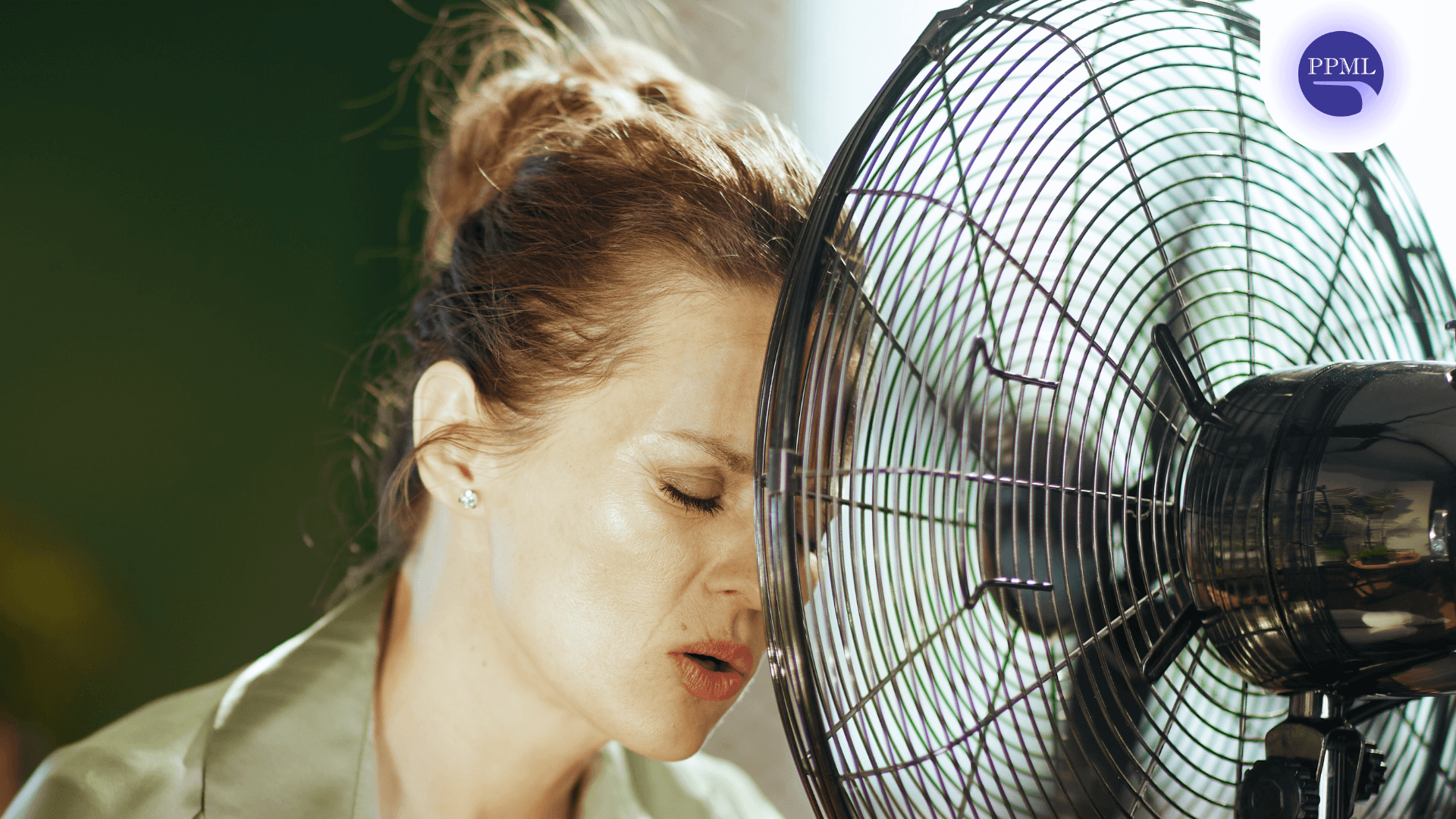
Kolkata summers are no longer the kind people casually complain about and move on from. Over the last few years, the heat has started feeling harsher, heavier, and much more exhausting than before. By late morning, roads begin radiating heat, walls trap warmth like ovens, and even staying indoors starts becoming uncomfortable. For many families, afternoons now feel endless, especially in apartments where ventilation is poor and concrete structures absorb heat throughout the day.
The strange part is that most people think cooling a home only means running an air conditioner continuously. But anyone who has lived through peak summer in Kolkata knows that cooling a house is really about reducing heat buildup before it becomes unbearable. Small practical changes inside the home often make a bigger difference than people expect.
Whether you are staying in your current house, renovating, or even relocating with the help of packers and movers in Kolkata, understanding how to control indoor heat can make daily life significantly more manageable. Some of these tips are simple habits, while others involve small upgrades that quietly improve comfort over time.
Table of Contents
ToggleStart Taking Your Windows Seriously
Most homes gain heat through windows far more than people realize. In Kolkata, sunlight entering directly through uncovered windows can turn a room uncomfortable within an hour, especially during the afternoon.
Many families still use thin curtains that barely block sunlight. The room may look bright and airy, but the heat entering through the glass quietly raises indoor temperature throughout the day. Reflective blinds, blackout curtains, or double-layer curtains help much more than decorative fabric alone.
Homes facing west usually suffer the most because evening sunlight hits directly during the hottest part of the day. Closing curtains before noon itself can noticeably reduce room temperature later in the afternoon.
If someone is planning long-term renovation work, energy-efficient windows with proper glazing are worth considering. They may feel expensive initially, but in cities like Kolkata where air conditioners run for months continuously, better insulation eventually saves electricity and improves comfort.
Improve Airflow Before Buying More Cooling Devices
One reason many homes feel suffocating during summer is poor ventilation. Heat gets trapped indoors because fresh air has nowhere to move.
This becomes especially noticeable in compact apartments where windows face other buildings or where kitchens have little airflow. During peak summer, cooking itself turns into an exhausting task because the kitchen traps heat for hours.
Simple ventilation changes actually help more than people expect. Opening windows early in the morning and again after sunset allows cooler air to circulate naturally. Exhaust fans in kitchens and bathrooms remove trapped hot air much faster than keeping rooms sealed all day.
Cross ventilation also matters. When windows on opposite sides of a room stay open together, air moves naturally through the house instead of remaining stagnant. Many older Kolkata homes were designed with this in mind, while newer compact apartments often ignore it completely.
Replace Old Ceiling Fans Instead of Complaining About Them
Almost every Indian home has ceiling fans, but many are older than people realize. Slow-moving blades, noisy motors, and weak airflow become normal over time, so families stop noticing how ineffective the fan has become.
Modern ceiling fans are far more powerful and energy-efficient compared to older models. Even the difference in blade design changes airflow dramatically.
In extremely humid cities like Kolkata, fans do not reduce actual room temperature, but they improve air circulation enough to make people feel significantly cooler. That matters more than people think during long power cuts or peak afternoon heat.
Also, many people never check the rotation direction of their ceiling fans. During summer, blades should rotate counterclockwise to push cool air downward effectively.
Reduce Heat Coming From the Roof
In independent houses and top-floor apartments, roofs absorb massive amounts of heat throughout the day. By evening, that trapped heat slowly enters rooms below, making nights uncomfortable even after sunset.
This is one of the biggest reasons upper floors feel hotter than lower floors during Kolkata summers.
Heat-reflective roof coatings, cool roof tiles, or light-colored terrace paint help reduce heat absorption considerably. Some homeowners even install simple rooftop shade structures or grow terrace plants to reduce direct surface heating.
Small terrace gardens surprisingly help because plants naturally cool surrounding air and reduce surface temperature. Even a few potted plants near balcony windows can slightly improve indoor comfort.
Use Appliances More Carefully During Summer
People often focus only on outdoor heat while ignoring how much warmth everyday appliances generate inside the home.
Ovens, gas stoves, irons, old refrigerators, incandescent bulbs, and even televisions quietly add heat to already warm rooms. During summer afternoons, using multiple appliances together makes the house feel noticeably hotter.
Many Kolkata families have slowly shifted cooking schedules because of this. Heavy cooking now often happens early morning or later at night when temperatures are lower.
Switching to LED lights also helps more than expected. Traditional bulbs release unnecessary heat while LEDs remain cooler and consume less electricity.
Insulation Isn’t Only for Cold Countries
There’s a common misconception in India that insulation matters only in winter climates. In reality, insulation is equally important in hot regions because it prevents outside heat from entering the home.
Proper insulation in roofs, walls, and attics helps maintain stable indoor temperature throughout the day. Without insulation, homes heat up rapidly during afternoons and remain warm long after sunset.
Even sealing small gaps around doors and windows helps reduce heat entry. Hot outdoor air constantly slips inside through tiny openings people usually ignore.
Weather stripping and basic sealing solutions may look minor, but they improve cooling efficiency quietly in the background.
Don’t Ignore Air Conditioner Maintenance
Many people assume their AC is weak when the real issue is poor maintenance.
Dirty filters, clogged vents, gas leakage, and neglected servicing reduce cooling efficiency significantly. The AC runs longer, electricity bills rise, and rooms still do not cool properly.
Regular servicing before peak summer begins helps avoid this problem entirely. A properly maintained air conditioner cools faster, consumes less power, and handles Kolkata humidity more effectively.
One practical mistake people make is setting temperatures extremely low immediately after entering a hot room. This increases load unnecessarily. Gradual cooling usually works better and consumes less electricity.
Light Colours Actually Matter
Dark surfaces absorb heat much faster than light-colored ones. This applies not only to clothing but also to walls, roofs, curtains, and furniture finishes.
Homes painted in lighter shades reflect more sunlight and remain relatively cooler during summer. White, cream, beige, pale grey, and soft pastel shades work especially well in hot climates.
Even changing dark curtains or upholstery can slightly reduce how heavy a room feels during peak afternoon hours.
Plants Help More Than People Think
Indoor and balcony plants naturally cool surrounding air while improving freshness inside the house.
Money plants, areca palms, aloe vera, snake plants, and peace lilies are commonly used because they survive well indoors and require relatively low maintenance.
Balcony creepers and vertical greenery also reduce direct heat hitting walls and windows. Older Kolkata homes often used natural greenery around verandas for this exact reason before air conditioning became common.
Summer Comfort Is Mostly About Heat Prevention
One thing people slowly realize after living through multiple Kolkata summers is that cooling a home is less about fighting heat aggressively and more about preventing heat from building up in the first place.
Once walls, furniture, floors, and ceilings trap heat throughout the day, cooling becomes difficult and expensive.
Simple habits help more than dramatic solutions sometimes do. Keeping curtains closed during peak afternoon hours, reducing unnecessary appliance use, improving airflow, maintaining ACs properly, and reducing direct sunlight all work together quietly.
No single tip completely transforms a house overnight. But combined together, they make daily life much more bearable during intense summer months.
And honestly, during Kolkata’s current heat conditions, even small comfort improvements start feeling valuable very quickly.
PEOPLE ALSO ASK
Improving ventilation, blocking direct sunlight, using reflective curtains, installing exhaust fans, and reducing indoor heat sources naturally help keep homes cooler during summer.
Blackout curtains and reflective blinds work best because they block sunlight and reduce heat entering through windows.
Yes. Ceiling fans improve air circulation and create a cooling effect on the body even when temperatures remain high.
Using heat-reflective paint, cool roof tiles, terrace gardens, or rooftop shading structures helps reduce heat absorption significantly.
Walls, roofs, and floors store heat during the day and slowly release it during evening hours, especially in concrete buildings with poor insulation.
Yes. Indoor plants slightly cool surrounding air, improve freshness, and reduce heat intensity around windows and balconies.






Leave a Reply