

There’s a phase after shifting into a new home where everything feels slightly unsettled.
Boxes are still half-open. Furniture is placed “for now.” Nothing feels fully yours yet.
And somewhere in that phase, people start thinking about Vastu.
Not always in a deeply spiritual way – more like : “Let’s just set things right from the beginning.”
In cities like Kolkata, where homes are often a mix of old layouts and modern flats, most people don’t follow Vastu perfectly.
But they do follow certain parts of it.
The practical parts.
The ones that are easy to implement and don’t require rebuilding the house.
This is about those.
Table of Contents
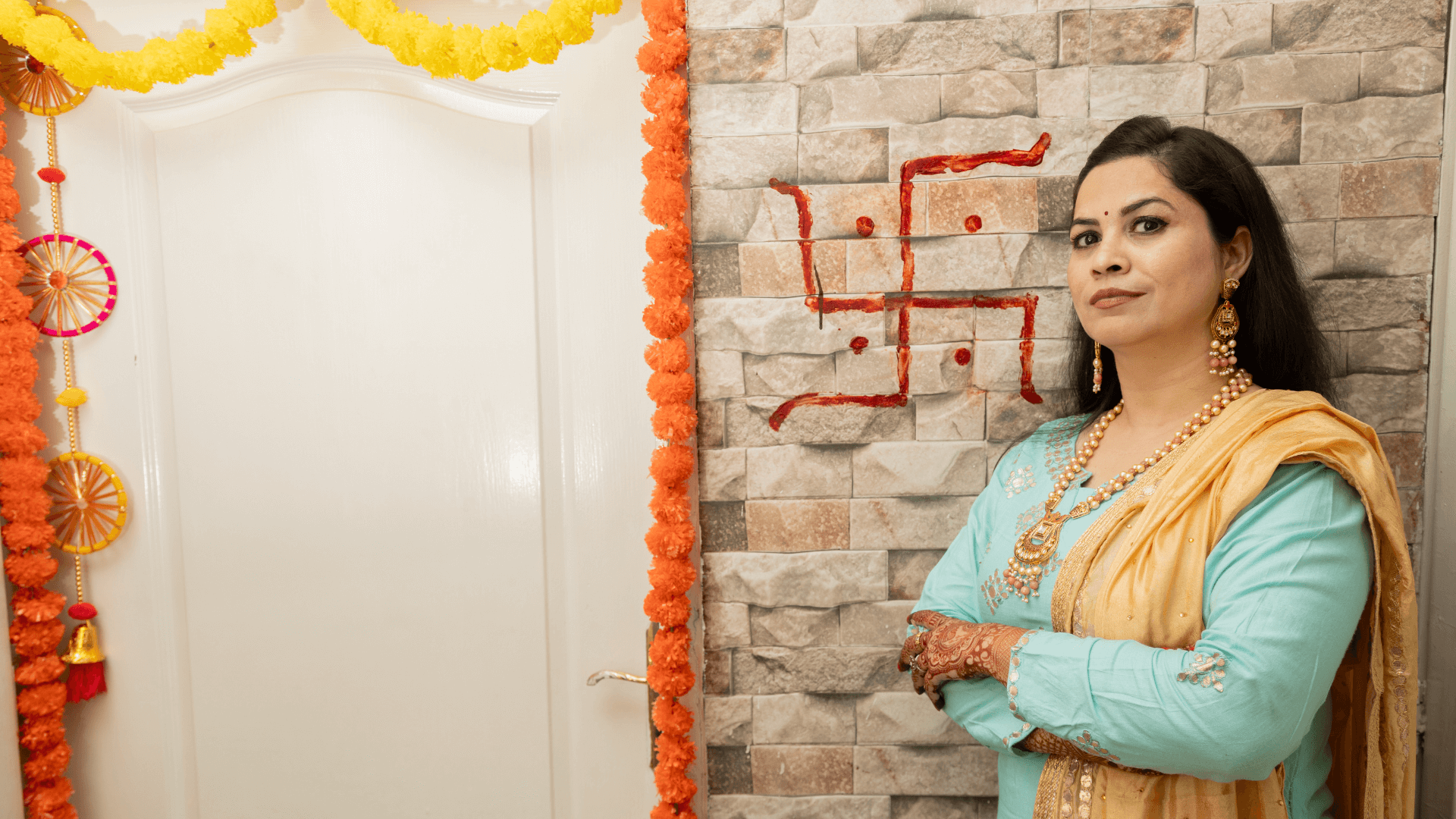
ToggleStart With the Entrance (Because Everything Begins There)
Ideally :
- East-facing or North-facing is considered better
But here’s the more practical version most homeowners follow :
- Keep the entrance clean, open, and well-lit
- Avoid clutter right at the door
- Don’t block the entry with shoe piles or storage
Even people who don’t fully believe in Vastu still keep their entrance “light and open.”
Because it just feels better.
Living Room Is About Flow, Not Direction
Reality?
Most people can’t change that.
So what actually works :
- Sit facing east or north if possible
- Keep the room open and breathable
- Avoid overfilling with furniture
The mistake people make is trying to “correct direction.”
What actually helps is improving movement and space.
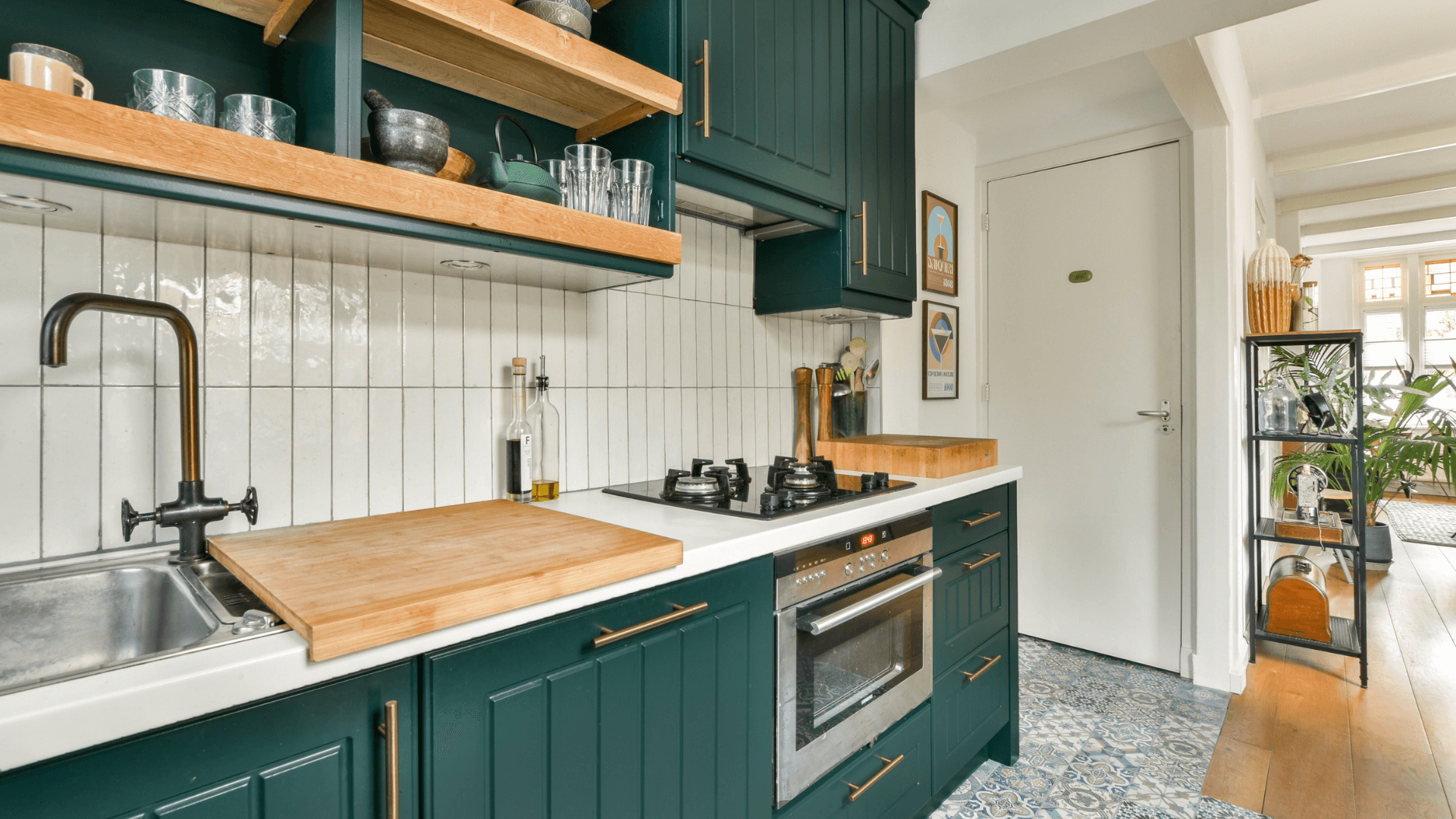
Kitchen Is One Place Where Direction Still Matters
- Southeast is considered ideal
- Cooking facing east is preferred
If direction isn’t perfect :
- Keep the kitchen clean and well-ventilated
- Avoid clutter around the stove
- Separate cooking and washing areas if possible
It’s less about perfection, more about balance.
Bedroom : This One People Take Seriously
- Don’t sleep with your head towards North
Instead :
- Head towards South or East
Also :
- Keep the bedroom less crowded
- Avoid mirrors directly facing the bed
Even people who ignore Vastu everywhere else follow this one.
Call it belief or habit – but it’s consistent.
Light, Air, and Space (The Underrated Part of Vastu)
But it’s probably the most practical Vastu principle.
- Let natural light come in
- Keep windows unblocked
- Maintain airflow
- Avoid dark, packed spaces
You don’t need to “believe” in Vastu to notice this : A bright, airy home always feels better than a dark, congested one.
Plants, Water, and Small Additions
People like adding small Vastu elements because they’re easy.
Common ones :
- Plants (especially in north or east)
- Small water features
- Tulsi near entrance or balcony
Not everyone follows exact placement rules.
But they still add these because : They make the home feel alive.
The One Rule Almost Everyone Breaks (Clutter)
Every Vastu guide says : “Keep your home clutter-free.”
And almost every home struggles with this.
Especially after shifting.
Boxes stay for weeks. Corners get filled. Storage keeps expanding.
But if there’s one thing that visibly changes how a home feels – it’s this.
Less clutter = less stress.
Simple, but hard to maintain.
Direction vs Reality (The Honest Part)
Here’s the part most articles don’t say clearly :
You cannot fix everything.
- Flats are pre-designed
- Directions are fixed
- Space is limited
So instead of chasing perfect Vastu, most experienced homeowners do this :
- Fix what’s easy
- Ignore what’s structural
- Focus on comfort and usability
That balance works better than trying to follow every rule.
Final Thoughts
Vastu, at its core, isn’t just about directions.
It’s about how a space feels when you live in it.
In a city like Kolkata, where homes come with limitations – old layouts, compact spaces, fixed orientations – perfect Vastu is rare.
But a well-balanced home?
That’s achievable.
Start small :
- Clean entrance
- Better light
- Thoughtful placement
- Less clutter
And over time, the house starts feeling like it’s working with you, not against you.
That’s when Vastu actually makes sense – not as a rulebook, but as a way of living better inside your own space.
PEOPLE ALSO ASK
What is the most important Vastu rule for a new home?
The main entrance direction and keeping the home clutter-free are considered the most important.
Can Vastu be followed in flats?
Yes, partially. You can adjust furniture placement, directions, and layout even if structure is fixed.
Which direction is best for sleeping?
South or East is preferred. Avoid sleeping with your head towards North.
Do Vastu tips really work?
For many people, it improves comfort and mental peace, even if not followed strictly.
What should I avoid in a new home as per Vastu?
Avoid clutter, blocked entrances, poor lighting, and incorrect sleeping directions.




Leave a Reply