
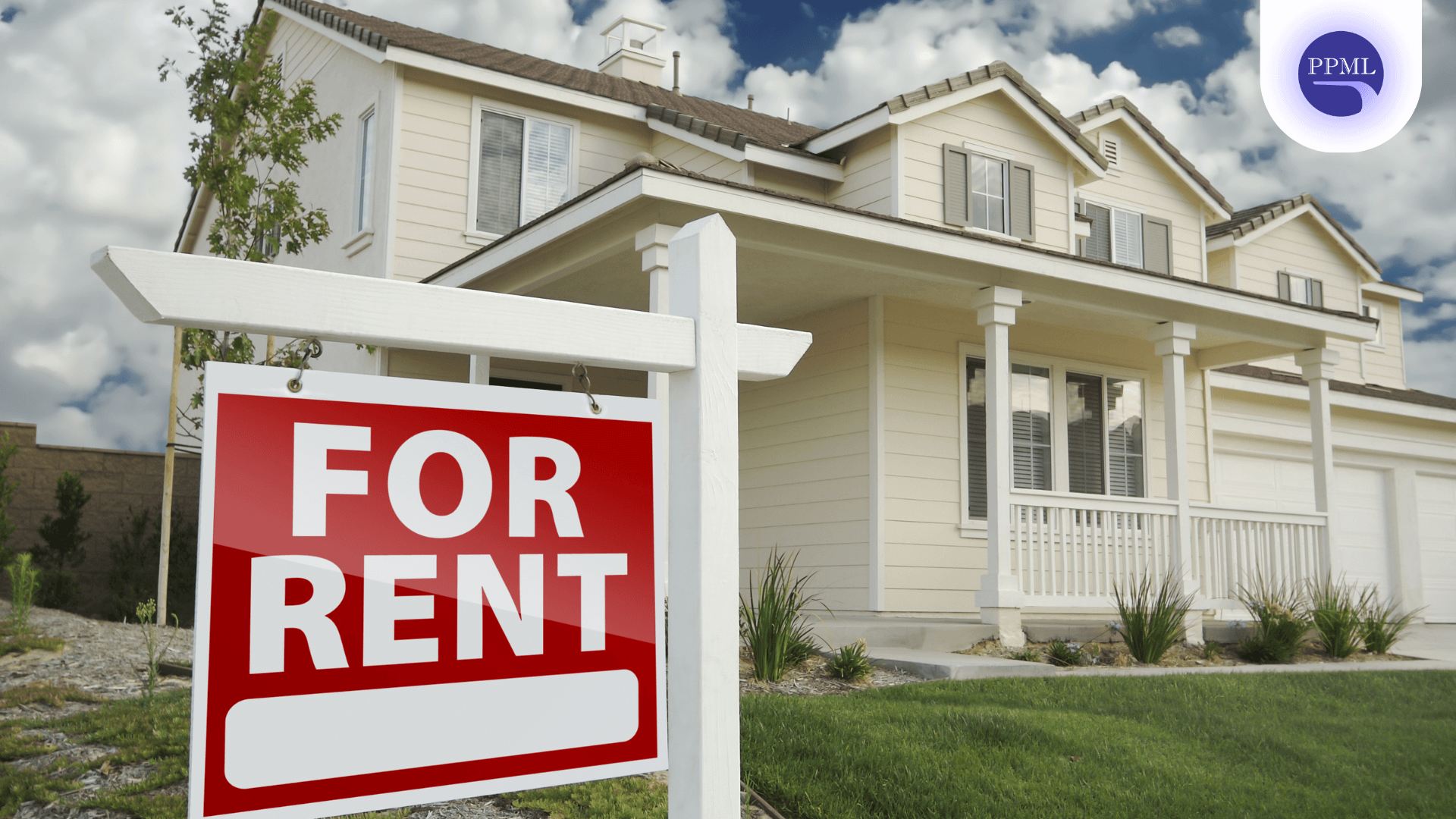
Finding a new house in an unfamiliar city sounds exciting until you actually start searching.
At first, everything feels simple. You shortlist a few properties online, schedule visits, compare rents, and imagine yourself settling into a new neighbourhood.
Then reality shows up. The apartment looks very different from the photos. The landlord suddenly mentions maintenance charges that weren’t discussed earlier.
The society has water issues. The commute that looked manageable on Google Maps turns into an hour-long daily battle.
We’ve seen this happen countless times.
In fact, one of the most common things people say after relocating is : “I wish I had checked that before signing the agreement.”
The truth is that most rental mistakes don’t happen after moving in. They happen before the agreement is signed.
If you’re moving to a new city for work, education, or a fresh start, this checklist can save you from expensive surprises later.
Table of Contents
ToggleStart With Your Lifestyle, Not the Property
Many tenants start their search by browsing listings.
That’s usually the wrong place to begin.
Before looking at apartments, spend some time understanding what kind of life you’re actually trying to build in the new city.
Think about your daily routine.
How far are you willing to travel to work? Do you need a dedicated work-from-home setup? Will you need parking? Do you have pets? Do you prefer a quiet residential neighbourhood or an area with restaurants and activity nearby?
A house that looks perfect on paper can become frustrating if it doesn’t match your lifestyle. The clearer your priorities are, the easier it becomes to filter out unsuitable properties.
Don’t Let Rent Fool You
A low rent often looks attractive. Until the hidden expenses start appearing.
Many tenants focus entirely on the monthly rent and ignore everything else attached to it.
Maintenance charges. Parking fees. Brokerage. Internet costs. Electricity bills. Water charges. Society contributions.
Suddenly a ₹25,000 apartment starts costing ₹32,000 every month.
Before finalising any property, ask for a complete breakdown of every recurring expense.
Not just rent. Everything.
Visit the Property More Than Once
One visit is rarely enough. If possible, visit twice. Once during the daytime. Once during the evening.
The daytime visit helps you inspect the house properly. The evening visit tells you what daily life actually feels like.
Some neighbourhoods look peaceful at noon but become extremely noisy after office hours. Some roads become heavily congested during peak traffic. Some apartment complexes feel completely different after sunset.
The second visit often reveals things that photographs and property listings never mention.
Check Every Tap, Switch and Door
This sounds obvious. Yet many tenants skip it. Open every window. Turn on every light. Test every switch. Flush every toilet. Run every tap.Check the water pressure. Try the door locks. Look for damp patches on walls and ceilings.
A five-minute inspection can uncover problems that would otherwise become your daily headache.
Especially during monsoon season. Water leakage issues have a way of appearing exactly when you least want them.
Pay Attention to Natural Light and Ventilation
This is something many people overlook. You notice it only after moving in.
A beautiful apartment with poor ventilation can become uncomfortable surprisingly fast.
Walk into each room. Open the windows. See how much natural light enters. Check airflow.
Notice whether rooms feel damp or stuffy.
Good ventilation improves comfort, reduces mould growth, and lowers electricity usage.
Small details make a big difference when you’re living somewhere every day.
Talk to the Security Guard
This may be the most underrated rental tip.
Before leaving the property, spend a few minutes talking to the building security guard or caretaker.
They often know more about the building than anyone else.
Ask simple questions.
How often are there water issues? Does the power backup work properly? Are there frequent maintenance problems? How responsive is the building management?
You’d be surprised how much useful information comes from casual conversations.
Understand the Commute Properly
Google Maps can be misleading.
Especially in cities like Mumbai, Bengaluru, Hyderabad or Pune.
A route that shows 20 minutes on Sunday afternoon can easily take an hour during weekday traffic. If your office location is fixed, try travelling during actual office hours before committing.
Many people choose an apartment because it feels affordable. Six months later they’re spending three hours every day commuting. That’s rarely a good trade-off.
Read the Rental Agreement Slowly
Most tenants skim the agreement. Then problems begin later. Take your time.
Understand :
- Security deposit terms
- Notice period
- Lock-in period
- Maintenance responsibilities
- Rent escalation clauses
- Repair obligations
Never assume something is “understood.”
If it’s important, it should be written. Verbal promises disappear surprisingly quickly once agreements are signed.
Create a Photo Record Before Moving In
This step takes ten minutes. And can save thousands later.
Before bringing in your belongings, photograph everything.
Walls. Floors. Furniture. Appliances. Windows. Bathrooms. Kitchen areas. Keep the photos safely stored.
When it’s time to vacate, these images become proof of the property’s original condition and help avoid unnecessary deposit disputes.
Check Internet Availability Before Anything Else
A decade ago this wasn’t a major concern.
Today it absolutely is.
Whether you work remotely, attend online meetings, stream content, or simply rely on stable connectivity, internet quality matters.
Don’t assume service is available because the neighbourhood looks modern.
Verify the providers available in the building.
Ask existing residents if possible.
A beautiful apartment with unreliable internet becomes frustrating very quickly.
Observe the Neighbourhood, Not Just the Apartment
The apartment itself is only part of the experience.
Your neighbourhood matters just as much.
Walk around. Look for grocery stores. Pharmacies. Hospitals. Public transport options. Restaurants. ATMs.
Daily convenience has a huge impact on quality of life. The closer essential services are, the easier settling into a new city becomes.
Ask Yourself One Final Question
Before signing anything, ask yourself : “Can I realistically see myself living here for the next year?”
Not visiting. Not viewing. Living. The answer usually tells you everything you need to know.
Sometimes the perfect property on paper simply doesn’t feel right. Trust that instinct.
Final Thoughts
Moving to a new city already involves enough uncertainty.
Your rental home shouldn’t add more.
A little patience before signing can prevent months of frustration later.
Inspect carefully. Ask questions. Read every document. Verify everything.
And once you’ve found the right place, work with a reliable relocation partner to make the move itself smooth and stress-free.
At Pradhan Packers and Movers, we’ve helped thousands of families relocate across India. The easiest moves are almost always the ones where tenants did their homework before collecting the keys.
Finding the right house takes time. Finding the wrong one takes only a signature.
PEOPLE ALSO ASK
Before signing a rental agreement, inspect the property’s condition, check water and electricity supply, verify internet availability, understand maintenance charges, evaluate the neighbourhood, and carefully review the lease terms. Taking time to inspect these details can help you avoid unexpected expenses and future disputes.
Ideally, you should visit a rental property at least twice. One visit during the day helps you assess lighting, ventilation, and the overall condition of the house, while an evening visit gives a better understanding of traffic, noise levels, security, and neighbourhood activity.
Ask about the security deposit, maintenance responsibilities, rent increase policy, notice period, parking availability, water supply, power backup, pet restrictions, and any society rules. Clear answers to these questions can prevent misunderstandings after you move in.
Absolutely. Taking timestamped photos and videos of the property before moving in creates a record of its original condition. This evidence can protect you from unfair damage claims and help ensure a smoother security deposit refund when you vacate.
Never pay deposits before verifying the property, meeting the landlord or authorised representative, and reviewing ownership documents. Always insist on a written agreement and avoid deals that seem unusually cheap compared to similar properties in the area.
It’s advisable to begin your search at least 4 – 6 weeks before your planned move. Starting early gives you enough time to compare options, negotiate terms, complete inspections, and arrange relocation services without feeling pressured into making a rushed decision.








Leave a Reply