

People usually ask, “Which is the best time to move?”
That’s the wrong question.
Because every season works – until it doesn’t.
A summer move looks easy until heat starts affecting electronics and people.
A monsoon move looks manageable until moisture shows up inside sealed boxes.
A winter move feels calm until delays quietly stretch timelines.
So instead of chasing the “perfect season,” it’s smarter to understand:
What goes wrong in each – and how to stay ahead of it.
Table of Contents
ToggleMonsoon Moves : Where Damage Starts Quietly
Rain doesn’t destroy things instantly.
It seeps in.
That’s why monsoon relocations feel safe at first – boxes look fine, furniture looks covered – until you open things days later and notice:
- Softened cartons
- Slight dampness in fabrics
- That early smell of moisture
And by then, it’s already too late.
What actually helps (beyond the obvious)
Most people focus on “don’t get boxes wet.”
But the real risk is trapped moisture, not visible rain.
- Plastic wrapping without airflow → creates condensation inside
- Boxes placed directly on truck floors → absorb ground moisture
- Furniture wrapped too tightly → traps humidity
Experienced movers don’t just “cover items.” They create layers – air gaps, moisture buffers, and elevation inside the truck.
That’s the difference between safe arrival and slow damage.
Summer Moves : The Hidden Stress Test
Summer moves look efficient on paper.
Clear skies. No delays. Easy transport.
But this is where physical and material stress peaks.
Not dramatically – but gradually.
You’ll notice it in small ways :
- Tape loosening faster
- Electronics heating up inside packed boxes
- People getting tired faster than expected
Where most people underestimate the risk
Heat doesn’t just affect comfort – it affects materials.
- Adhesives weaken
- Plastic components expand
- Liquids inside containers react
And then there’s human fatigue.
A tired packing crew makes small mistakes – and those mistakes show up later as damage or misplacement.
That’s why smarter summer moves don’t aim for speed – they aim for controlled pacing.
Early morning loading. Break gaps. Shorter loading cycles.
Not because it sounds good – but because it prevents cumulative errors.
Winter Moves : Slower Than They Look
Winter feels like the “safe” season.
No heat. No rain. No urgency.
But that’s exactly why delays creep in unnoticed.
Fog, reduced visibility, and slower movement don’t stop the move – they stretch it.
A job that should take one day quietly becomes two.
The real issue isn’t cold – it’s timing drift
- Trucks move slower at night
- Early morning visibility drops
- Unloading gets delayed due to access timing
Unlike summer or monsoon, winter doesn’t damage items directly.
It affects schedule reliability.
And when timing shifts, everything else follows – labor cost, coordination, availability.
The Pattern Most People Miss
Each season attacks a different part of the move :
| Season | What Actually Fails |
|---|---|
| Monsoon | Packing integrity over time |
| Summer | Material stability + human efficiency |
| Winter | Timing and coordination |
That’s why a “one strategy fits all” approach never works.
What Stays Constant (No Matter the Season)
After seeing enough relocations, a pattern becomes obvious : It’s not the season that decides success.
It’s whether the move had a system.
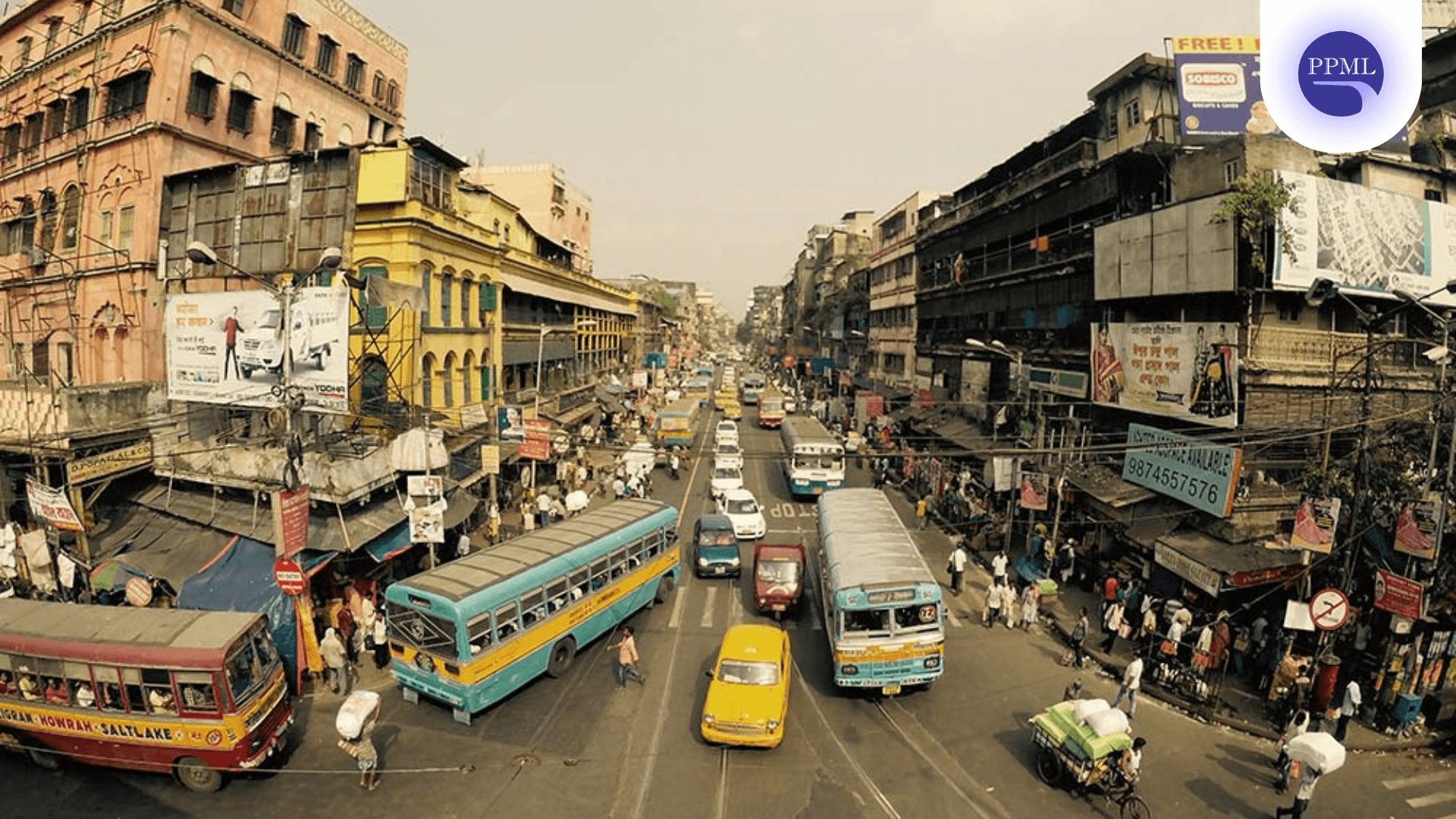
Across cities like Kolkata, where humidity, heat, and seasonal shifts all play a role, experienced movers don’t change everything — they adjust specific layers.
Some basics that always hold :
- Packing quality matters more than speed
- Labeling affects unloading more than packing
- The first 24 hours after arrival decide how smooth the move feels
Everything else is secondary.
Where Most DIY Moves Start Breaking
People usually prepare for visible problems.
Rain → cover items
Heat → drink water
Cold → wear warm clothes
But the real issues are invisible:
- Moisture trapped inside boxes
- Heat affecting internal components
- Delays stacking quietly
That’s where DIY planning starts falling short.
Because you don’t notice these problems while moving.
You notice them after.
Why Experienced Movers Adjust Differently
Good moving teams don’t just “handle logistics.”
They adjust based on season without making it obvious.
- In monsoon → they focus on layered protection, not just covering
- In summer → they control pace, not just timing
- In winter → they build buffer time, not just schedules
That’s why companies like Pradhan Packers and Movers tend to feel more “predictable” during seasonal moves – not because the weather is better, but because the process is adapted.
Final Thought
There is no perfect season to move.
Only better-prepared moves.
If you understand what each season quietly does to your belongings, your timing, and your energy – the entire experience changes.
And that’s the difference between:
A move that “just got done” and A move that actually felt under control.
PEOPLE ALSO ASK
There is no single best season. Summer is fast but exhausting, monsoon is affordable but risky, and winter is stable but slower. Planning matters more than timing.
Yes, if packing is waterproof and movers are experienced with monsoon handling.
By avoiding heat buildup inside packed boxes, using proper materials, and moving during cooler hours.
Fog and reduced visibility slow down transport, which affects overall timelines and coordination.
In most cases, yes. Seasonal adjustments in packing, timing, and handling make a noticeable difference in outcome.







Leave a Reply