
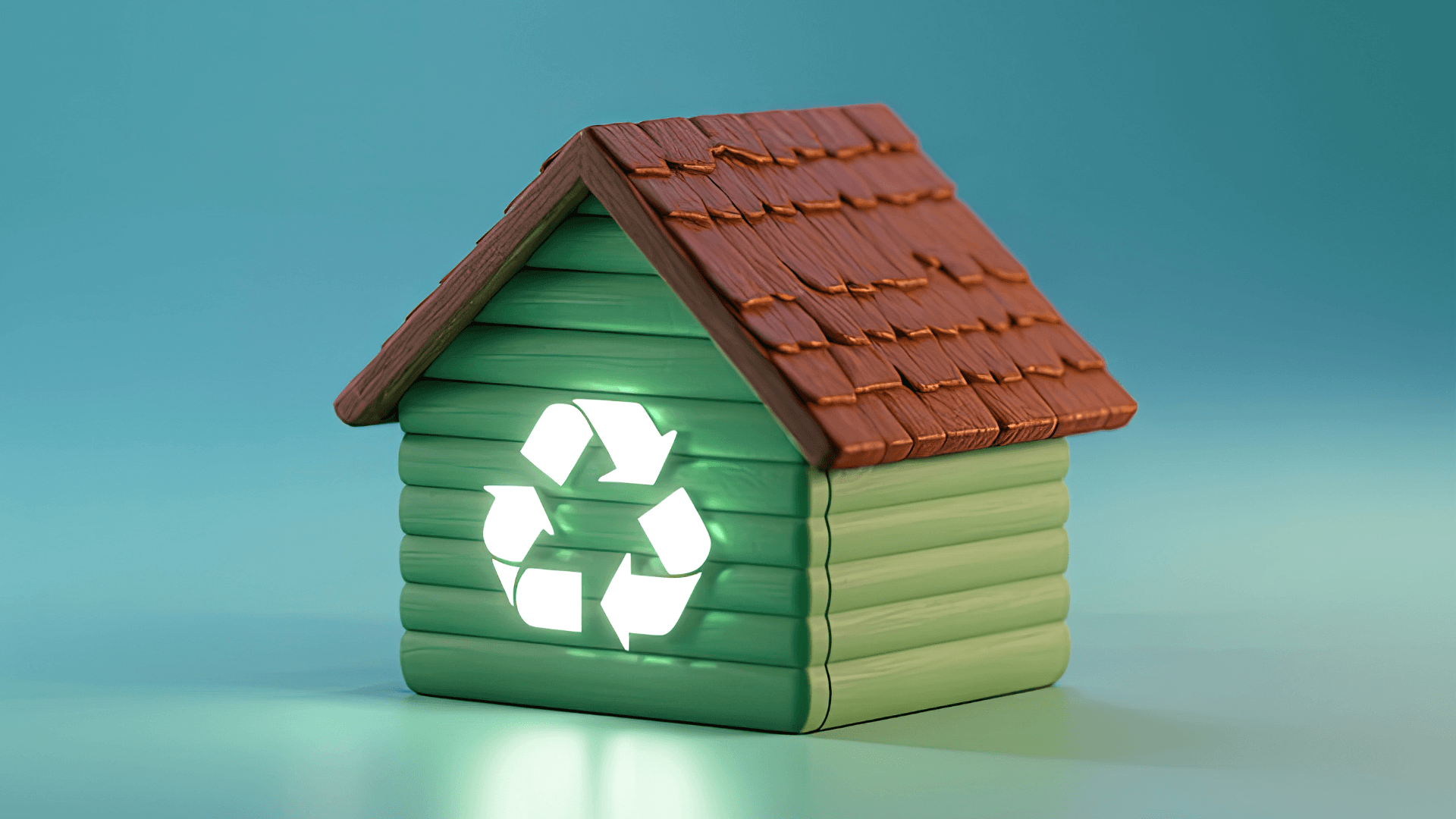
For a long time, moving houses meant one thing.
Plastic. Everywhere.
You’d walk into the house on packing day and see rolls of bubble wrap, stretch film, tape, foam sheets, and more tape.
By evening the truck would leave, and the floor would be covered with torn plastic scraps that no one really knew what to do with.
Most families accepted it because that’s how shifting worked.
But over the past few years, something has quietly started changing inside the moving industry.
Not dramatically. Not overnight. Just a series of small adjustments that slowly reduce waste without making the move harder.
The interesting part is that these changes didn’t come from advertising campaigns.
They came from practical problems movers kept seeing again and again.
And when you look closely, eco-friendly moving today is less about slogans and more about smarter methods.
Table of Contents
ToggleWhen Moving Started Producing Too Much Waste
Anyone who has unpacked after a house move knows the moment.
The truck leaves, and suddenly there are piles of plastic wrap, damaged cartons, and loose packaging material everywhere. Some of it gets reused. Most of it ends up in garbage bags.
Multiply that across thousands of moves happening every day in cities like Delhi, Mumbai, and Bangalore, and the scale becomes obvious.
Even small improvements in logistics can have a noticeable environmental effect.
According to the Ministry of Road Transport and Highways, freight and logistics operations contribute nearly 14% of the country’s carbon emissions.
If transportation efficiency improves even slightly, the reduction in emissions becomes significant.
That’s one of the reasons more moving companies are experimenting with greener systems.
Eco-Friendly Moving Is Mostly About Small Changes
People sometimes imagine sustainable relocation as some complicated system with expensive equipment.
In reality, most improvements are surprisingly simple.
• Reusable packing materials instead of single-use plastic
• Smarter route planning so trucks don’t idle in traffic
• Reusable crates replacing disposable cartons
• Digital paperwork instead of printed documents
None of these things sound revolutionary individually.
But when they happen together during a move, the experience becomes cleaner, quieter, and more organized.
Fabric Moving Blankets Instead of Plastic Wrap
One of the most visible changes during modern house shifting is the use of heavy-duty fabric blankets.
Instead of wrapping sofas and wooden furniture in layers of plastic film, crews cover them with thick reusable sheets that absorb impact and prevent scratches.
These blankets usually last for 10 or more moves, which means the same material protects multiple households.
There’s also a practical advantage.
Fabric blankets are easier to handle in tight staircases and elevators. Plastic wrap often tears or slides during lifting, while fabric stays in place.
Many families also notice something interesting when unpacking later – the furniture is often cleaner, because fabric doesn’t create static dust the way plastic film sometimes does.
Respecting Original Packaging
Another shift happening quietly in the industry is a renewed respect for original manufacturer packaging.
Appliances like televisions, washing machines, and microwave ovens are usually safest inside the boxes they came in.
Those cartons are designed with molded foam and precise internal supports. Adding excessive padding on top of them often doesn’t make things safer — it just increases waste.
Experienced movers now prefer using original boxes whenever they’re available.
If those boxes are missing, they replicate the structure using fitted cartons instead of random layers of bubble wrap.
Reusable Plastic Crates Are Replacing Disposable Cartons
Cardboard cartons have been part of moving for decades.
They work, but they also collapse easily in damp weather, tear when overloaded, and rarely survive more than one or two uses.
That’s why many movers now use reusable plastic crate boxes for smaller household items.
These crates are stackable, durable, and designed specifically for transport. Books, kitchen items, and electronics sit securely without crushing each other.
After the move, the crates return to the warehouse and get reused again.
So instead of throwing away dozens of cartons, the same containers serve multiple moves.
Large TVs Need Real Protection
Modern televisions are thinner than ever, which unfortunately makes them easier to damage during transport.
The older method involved wrapping them in blankets and hoping for the best.
A more reliable solution today is a steel TV transport box.
These cases stabilize the screen and protect the corners during loading and unloading. The television stays upright and secure throughout the journey.
It’s a simple upgrade, but one that dramatically reduces damage risk.
Smarter Logistics Reduce Fuel Waste
Sustainable moving isn’t only about packaging.
A large part of the environmental impact comes from transportation itself.
Long waiting times, poor route planning, and unnecessary trips all increase fuel consumption.
Better moving companies now coordinate building access, lift timings, and parking availability before the truck arrives.
This reduces idling time and keeps the move flowing smoothly.
It also cuts unnecessary fuel usage – which benefits both the environment and the customer’s moving cost.
Paperless Documentation Is Becoming Normal
Another subtle change is happening behind the scenes.
Moving companies are gradually switching to digital documentation.
Instead of printed invoices and delivery slips, customers receive e-invoices and electronic proof of delivery.
These digital records are easier to store, easier to share with employers for relocation reimbursements, and far less likely to get lost.
For customers, the difference is small but convenient.
For the industry overall, it removes thousands of printed documents from every year’s operations.
Why Sustainable Moving Often Costs Less
One common concern people have is cost.
Many assume eco-friendly relocation must be more expensive.
But in practice, it often reduces expenses.
Reusable materials spread their cost across multiple moves. Strong crates prevent item damage. Efficient routing reduces fuel consumption.
When fewer things break and fewer materials are wasted, the total cost of moving becomes easier to manage.
So sustainable relocation isn’t only about environmental responsibility – it’s also about operational efficiency.
Final Thoughts
Sustainable moving doesn’t need complicated promises.
It’s simply a better way of doing the same job.
Less plastic on packing day. Fewer damaged items. Fewer trucks sitting idle in traffic. And fewer garbage bags waiting at the end of the move.
When relocation companies focus on practical improvements instead of marketing buzzwords, eco-friendly moving stops feeling like a trend.
It just feels like common sense.
PEOPLE ALSO ASK
Eco-friendly moving refers to relocation practices that reduce waste and environmental impact. This includes reusable packing materials, efficient transportation planning, and digital paperwork instead of printed documents.
Yes. High-quality fabric blankets and reusable crates often protect furniture better than thin plastic wraps because they absorb impact and reduce scratches.
Not necessarily. Because reusable materials and efficient logistics reduce damage and waste, many eco-friendly moving methods actually lower long-term costs.
Single-use plastic wrapping and disposable cartons are usually the largest contributors to relocation waste.
Decluttering before packing, saving original appliance boxes, choosing reusable packing systems, and opting for digital paperwork all help reduce relocation waste.







Leave a Reply