
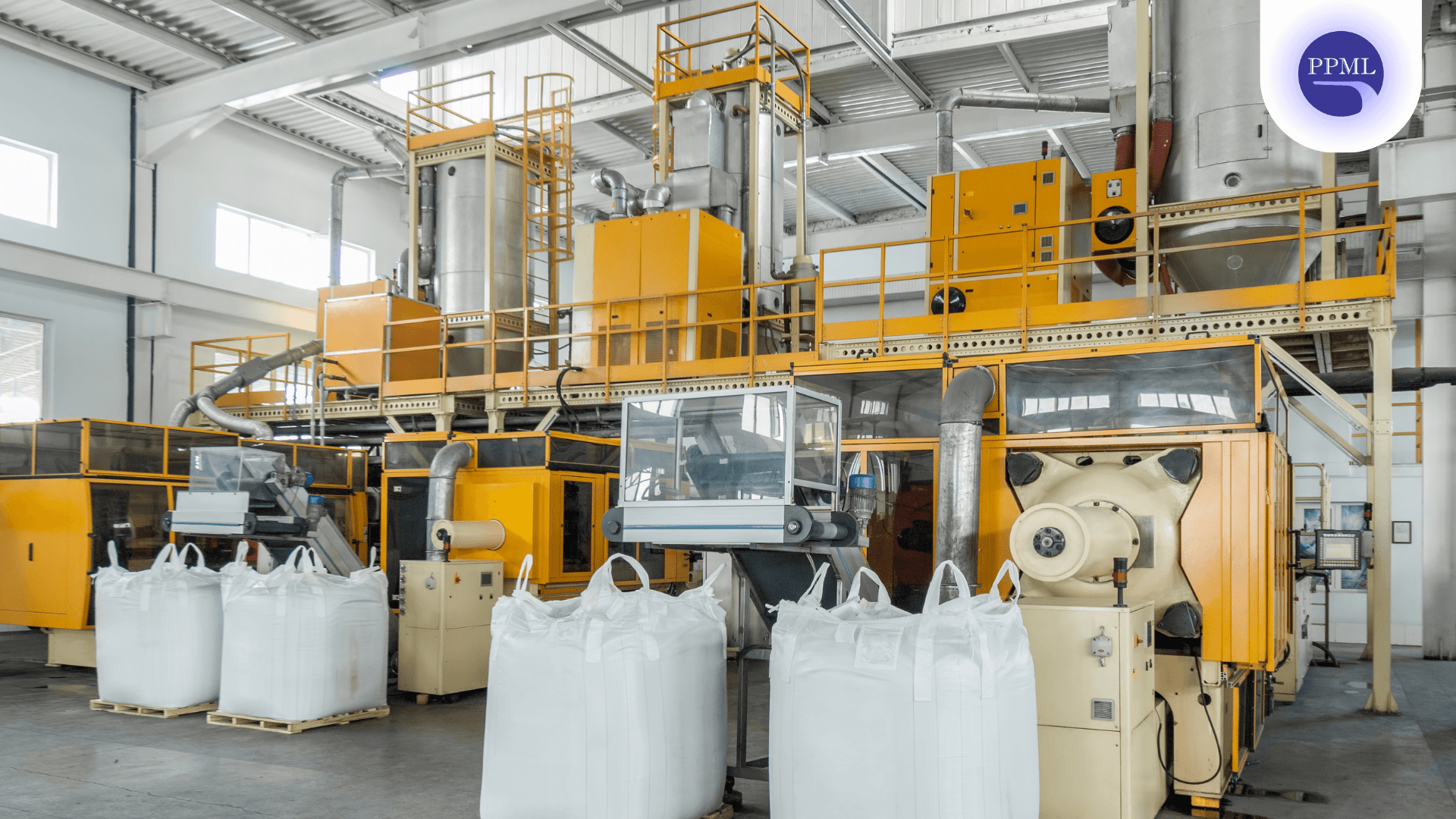
Most people think factory shifting is a transportation job.
It isn’t.
Transportation is actually the easiest part once the planning is right.
The real pressure starts much earlier – when production heads begin worrying about downtime, when engineers start discussing dismantling risks, when management asks how many days operations will remain affected, and when everyone quietly understands that one damaged machine can delay lakhs of rupees worth of production.
That was the reality behind this automotive manufacturing plant relocation project.
A US-based automotive components company operating in Kolkata decided to shift a major section of its manufacturing infrastructure to Delhi NCR as part of operational expansion and supply-chain restructuring. On paper, the move looked manageable.
In reality, it involved relocating an active industrial ecosystem filled with heavy machinery, electrical systems, fabrication units, forklifts, industrial exhaust structures, and sensitive production equipment.
And unlike household shifting, factories don’t get second chances.
If a dining table gets scratched during relocation, it’s frustrating.
If an industrial electrical panel gets damaged during transit, production can stop for weeks.
That changes the entire nature of planning.
Table of Contents
ToggleThe First Site Visit Changed Everything
During the first walkthrough itself, one thing became obvious.
This wasn’t a “load-and-move” project.
Several machines had been operating continuously for years. Some equipment had become deeply integrated into the plant layout itself. Electrical systems were interconnected across departments. Certain imported components had extremely sensitive calibration settings. A few oversized units could not even exit the facility without partial dismantling and crane coordination.
And then there was the timeline pressure.
The company wanted minimal production disruption.
Which is understandable. Every additional day of factory downtime affects vendor schedules, client commitments, workforce management, and production targets.
The relocation couldn’t become an operational mess.
So the planning phase became more important than the transportation phase itself.
Instead of Speed, the Focus Became Control
One thing experienced industrial movers learn very quickly is this:
Rushed factory shifting creates expensive problems later.
So instead of trying to move everything simultaneously, the relocation was divided into phases.
Department-wise sequencing was introduced.
Certain production systems were dismantled first while others remained operational temporarily. Dispatch schedules were staggered instead of overcrowding the site with vehicles. Loading timelines were controlled carefully to avoid confusion between equipment categories.
That slowed things down slightly in the beginning.
But it prevented operational chaos later.
Honestly, many industrial relocation failures happen because companies underestimate coordination complexity. Too many workers moving simultaneously. Poor equipment tagging. Unplanned loading. Last-minute route confusion. Missing electrical references during reinstallation.
Once confusion starts inside a factory relocation project, delays multiply very quickly.
The goal here was simple : Keep the movement structured enough that recommissioning at the Delhi NCR facility would remain smooth later.
Documentation Became a Bigger Job Than Expected
This part usually surprises clients.
Before dismantling even began properly, teams spent days documenting machine layouts, wiring systems, connection points, and installation structures.
Thousands of reference photos were taken.
Electrical panels were labelled carefully. Hydraulic lines were tagged. Cable routing systems were mapped. Structural anchor points were documented.
At one stage, it almost felt excessive.
But experienced project engineers knew exactly why this mattered.
Because months later, when installation teams begin reconnecting industrial systems at the new location, those small labels and photographs save enormous time.
Without documentation, recommissioning becomes guesswork.
And guesswork inside manufacturing facilities is dangerous.
Heavy Machinery Handling Was the Most Sensitive Stage
Some equipment inside the facility weighed several tons.
Moving them safely required much more than manpower.
Specialized trailers, rigging systems, lifting support, and crane coordination became essential. A 250 MT boom crane was deployed specifically for handling oversized units including extrusion machinery, fabrication structures, industrial chimneys, and large production systems.
This was probably the stage where the project felt most intense operationally.
Because once heavy lifting begins inside an active industrial environment, there is no room for careless execution.
Every movement required coordination between :
Crane operators
Safety supervisors
Rigging specialists
Ground teams
Transport coordinators
Site engineers
Even small things mattered.
Ground balance. Machine weight distribution. Turning radius. Loading angles. Truck alignment. Clearance spacing.
Industrial shifting looks slow from outside because safety calculations consume enormous time internally.
And honestly, that’s exactly how it should be.
Packing Was Treated Like Protection Engineering
A common misconception in industrial relocation is that heavy machines don’t require sophisticated packing.
Actually, sensitive industrial equipment often requires more protection than household electronics.
Especially :
Imported electrical panels
PLC systems
Precision calibration equipment
Interface controls
Sensitive automation units
Normal wrapping methods were never going to be enough for interstate transportation from Kolkata to Delhi NCR.
So customized packing systems were developed for different equipment categories.
Some machinery required vibration-resistant cushioning.
Electrical systems received multi-layer protective wrapping with moisture barriers.
Critical panels were enclosed in custom wooden crating.
Heavy machine components underwent pallet fabrication and reinforced edge protection.
This stage consumed substantial time and manpower.
But during long-distance industrial transport across Indian highways, proper packing becomes non-negotiable.
Road vibrations, weather exposure, sudden braking, uneven highways – all of these quietly damage sensitive systems if packing standards are poor.
The client understood that clearly.
So protection quality was prioritized over movement speed.
Managing 350 Workers Without Chaos
At peak execution, around 350 workers were involved across different operational zones.
That included dismantling crews, loading teams, fabrication workers, crane operators, packing specialists, transport coordinators, and safety personnel.
Large industrial relocation projects become people-management operations very quickly.
And the reality is, manpower risks increase dramatically around heavy machinery movement.
Daily safety briefings became routine throughout the project.
Movement zones were restricted carefully.
Protective equipment checks were continuous.
Teams were assigned department-wise responsibilities instead of overlapping operational roles.
One thing the client appreciated later was how controlled the site remained despite the scale of activity.
No panic. No uncontrolled movement. No unsafe rushing.
Just systematic execution.
And importantly, the entire project was completed without manpower casualties or major safety incidents.
Inside industrial relocation, that matters enormously.
Interstate Transportation Wasn’t as Simple as Dispatching Trucks
A total of 33 transport vehicles were deployed during the relocation process.
But arranging vehicles was only one part of the job.
Interstate industrial transportation in India comes with its own operational realities :
State permit coordination
Highway restrictions
Weight compliance
Border documentation
Toll planning
Height clearance management
Oversized industrial loads cannot simply take random highway routes.
Certain roads become inaccessible because of flyover height restrictions. Some state checkpoints require additional documentation. Monsoon conditions can affect movement schedules unexpectedly.
That’s why dispatch planning happened in stages instead of sending all vehicles together.
Controlled scheduling reduced congestion, unloading confusion, and tracking issues.
More importantly, it gave teams flexibility to respond if any transport delays occurred during transit.
The Biggest Success Wasn’t the Move
Interestingly, the biggest achievement wasn’t that the machinery reached Delhi NCR safely.
That was expected.
The real success was that the relocation never spiraled into operational disorder.
No equipment losses. No major damage. No missing components. No safety incidents. No uncontrolled downtime escalation.
For a project involving industrial production systems, that outcome matters far more than flashy relocation claims.
Because manufacturing companies don’t judge relocation partners based on marketing language.
They judge them based on operational stability.
What This Project Actually Revealed
Factory relocation projects expose weaknesses very quickly.
Weak planning becomes visible.
Weak manpower coordination becomes visible.
Weak documentation becomes visible.
Weak safety systems become visible.
And unfortunately, many companies realize these problems only after dismantling has already started.
This project worked because the relocation was approached like an engineering operation — not a transport booking.
Every stage was planned with operational continuity in mind.
That made the difference.
Final Thoughts
Industrial relocation is one of those operations that looks simple only until you actually stand inside the factory during dismantling.
Then reality becomes very clear.
Every machine has dependencies. Every delay affects another process. Every mistake becomes expensive.
That’s why successful industrial relocation is rarely about speed alone.
It’s about control, planning, sequencing, safety, and operational discipline.
And in this case, moving a major automotive manufacturing setup from Kolkata to Delhi NCR required exactly that kind of disciplined execution from start to finish.
PEOPLE ALSO ASK
Industrial plant relocation involves dismantling sensitive machinery, managing interstate logistics, coordinating manpower, and minimizing production downtime simultaneously.
Heavy manufacturing machines are transported using specialized trailers, cranes, rigging systems, customized packing, and carefully planned loading procedures.
Documentation helps installation teams reconnect machinery accurately during recommissioning and prevents operational confusion later.
The biggest risks include equipment damage, production delays, safety incidents, poor packing, and coordination failures during dismantling and transportation.
The timeline depends on machinery complexity, production scale, interstate distance, dismantling requirements, and recommissioning needs. Large projects often require phased execution over several weeks or months.
Leave a Reply