
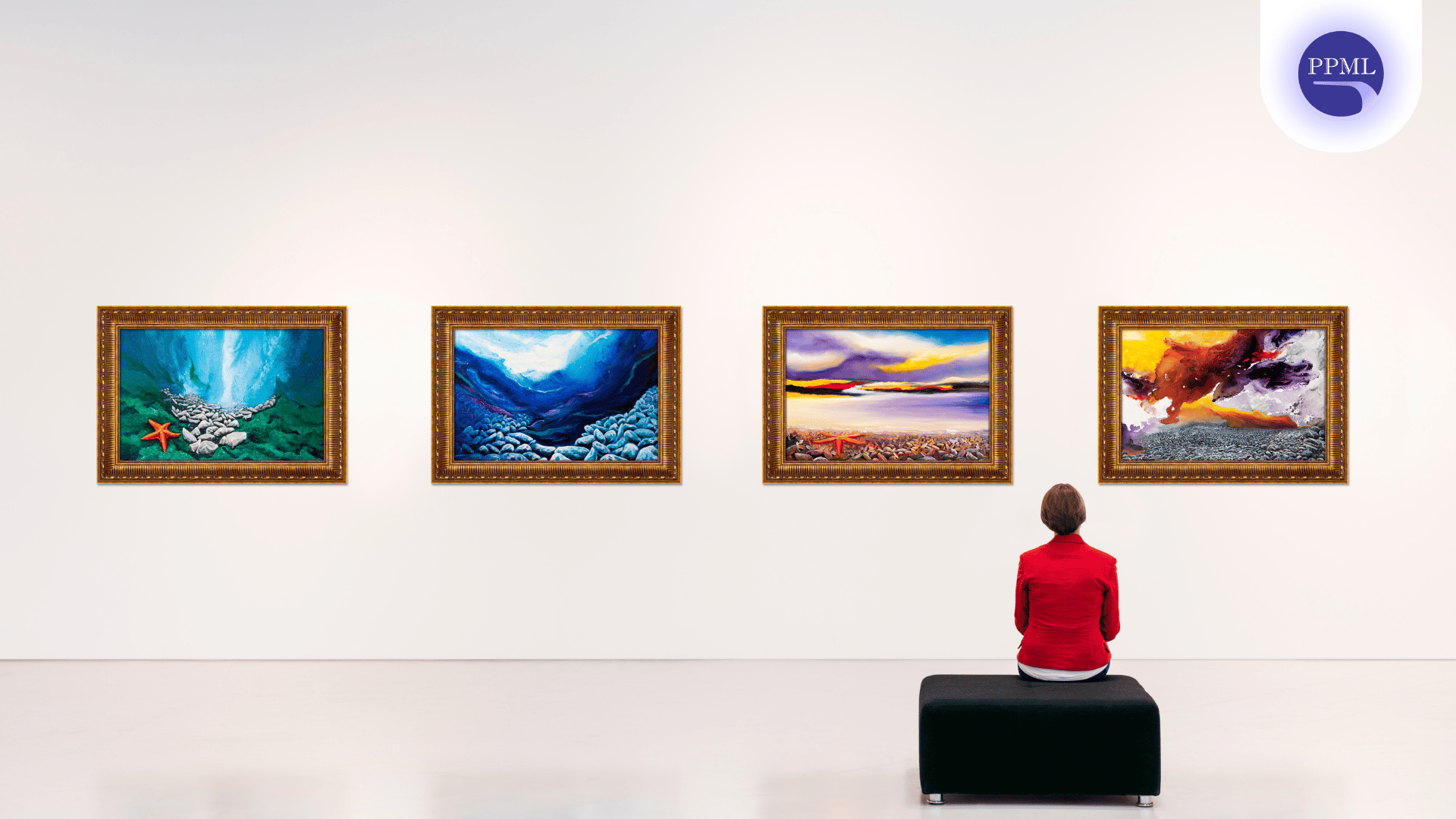
Most people imagine art relocation as wrapping a painting in bubble wrap, placing it inside a truck, and transporting it carefully.
That assumption usually disappears the moment someone tries moving a real collection.
One framed artwork shifts inside a carton. A sculpture develops a surface crack from vibration. Humidity enters packaging during monsoon transit. A stretched canvas warps slightly after long-distance movement.
And suddenly everyone realizes something important. Moving fine art is completely different from moving furniture.
For galleries, collectors, artists, and exhibition spaces, relocation is not simply transportation. It is preservation.
That becomes even more important in Kolkata, where many galleries operate inside heritage buildings, compact urban zones, narrow lanes, older structures, and spaces with difficult loading access. Add humidity, traffic delays, apartment restrictions, and interstate movement, and transporting fine art becomes a specialized process.
This is where premium fine art relocation services become essential.
Whether you are relocating a private collection, moving an exhibition, shifting an artist studio, or transporting gallery inventory across India, protecting every detail matters.
Table of Contents
ToggleWhy Fine Art Requires a Different Relocation Process
- A dining table can usually tolerate minor vibration.
- A framed oil painting cannot.
- Artwork reacts differently during transportation because every piece contains its own risks.
- Some pieces react to temperature.
- Some react to moisture.
- Some react to direct pressure.
- Others react simply to incorrect lifting angles.
That is why professional fine arts moving follows completely different handling procedures than standard household shifting.
Typical risks during art transportation include:
- Surface abrasion – Small friction during movement may permanently affect artwork texture and finish.
- Frame pressure – Incorrect stacking may distort or crack frames.
- Environmental exposure – Heat, moisture, and humidity can damage paper, canvas, wood, and pigments.
- Vibration damage – Continuous road movement creates internal stress on delicate works.
- Handling mistakes – Improper lifting often causes more damage than transportation itself.
Most damage rarely comes from accidents. It usually starts from preparation mistakes.
About PPML : With more than 45 years of relocation experience, Pradhan Packers and Movers Pvt. Ltd. has managed transportation requirements across household shifting, storage services, office relocation, interstate movement, specialized logistics, vehicle transport, and delicate goods handling throughout Kolkata and major Indian cities. Specialized relocation projects often require more than standard transportation.
Start With a Detailed Artwork Inventory
Before a single carton is packed, documentation should happen first.
Professional art relocation usually starts with creating a complete inventory of the collection.
This includes:
- Artwork dimensions – Record exact measurements to prepare suitable protection.
- Current condition – Document scratches, marks, frame conditions, and delicate areas.
- Photographs – Capture multiple angles before packing begins.
- Material identification – Canvas, acrylic, wood, ceramic, mixed media, metal, and glass require different handling.
This stage becomes extremely important for transit claims and insurance documentation later.
Many galleries skip this step because it feels time-consuming.
Then weeks later nobody remembers whether a mark existed before transportation.
Custom Packing Is Usually the Most Important Layer of Protection
Not all packaging materials are suitable for fine art.
Regular relocation cartons are designed for general household goods.
Art packaging follows a different standard.
Professional fine art relocation services generally use:
- Acid-free tissue paper – Protects artwork surfaces from discoloration and transfer.
- Foam layering – Absorbs impact and vibration.
- Corner protectors – Prevents pressure damage on framed works.
- Bubble cushioning – Creates shock absorption.
- Wooden crating – Provides rigid protection for large or valuable pieces.
- Moisture-resistant wrapping – Reduces humidity exposure.
Custom crating becomes particularly important for oversized artwork and sculptures.
This is where many first-time gallery relocations underestimate the process.
One crate often costs more than people expect because the objective is not packaging.
The objective is damage prevention.
Choosing the Right Transportation Method Matters
The transportation route should match the artwork.
Different movement requirements demand different approaches.
Air Transportation
Air movement is usually preferred when:
- Delivery timelines are short
- Artwork value is high
- Environmental control matters
- International movement is involved
Shorter transit periods often reduce environmental exposure.
Road Transportation
Road transport remains common for:
- Kolkata gallery relocations
- Interstate exhibitions
- Artist studio movement
- Regional collection transfers
Road transportation works well when packaging and load stabilization are properly managed.
Storage Before Final Installation
Not every artwork moves directly to display.
Sometimes collections require temporary storage before installation.
Professional storage conditions should include:
- Controlled humidity
- Stable temperatures
- Restricted access
- Secure monitoring
- Dust protection
This becomes increasingly common during gallery renovations and exhibition setup schedules.
Climate Control Is More Important Than Most People Expect
Humidity is one of the quietest causes of artwork damage.
Kolkata weather creates additional challenges because environmental conditions change significantly throughout the year.
Sensitive pieces may react through:
- Canvas stretching
- Pigment fading
- Wood expansion
- Surface distortion
- Mold development
Climate-sensitive collections often require:
- Controlled transport environments
- Moisture barriers
- Environmental monitoring
- Specialized wrapping systems
This is especially relevant for collectors relocating internationally.
Insurance Should Never Be Treated as Optional
People often insure vehicles. People insure homes. But surprisingly, artwork insurance is still frequently ignored.
For premium fine arts moving, insurance becomes a protective layer for unforeseen situations.
Typical considerations include:
- Transit damage coverage
- Theft protection
- Loading and unloading incidents
- Environmental damage
- Temporary storage coverage
Documentation becomes essential here. That is another reason inventory preparation matters before relocation begins.
Customs and Documentation Become Critical During International Art Movement
International art relocation introduces additional complexity. Every country handles artwork movement differently.
Documentation may include:
- Authenticity certificates
- Commercial invoices
- Ownership records
- Import-export declarations
- Material compliance documents
Certain artworks containing restricted materials may require additional approvals before transportation. Missing paperwork often creates delays longer than the transportation itself.
Installation Planning Should Begin Before Delivery
People spend weeks planning transportation. Then installation becomes an afterthought. This creates avoidable risks.
Professional art relocation often includes:
- Safe unpacking
- Position planning
- Hanging systems
- Structural assessment
- Placement adjustments
This becomes particularly important during office relocation, gallery redesign, exhibition launches, and studio setup projects. The relocation is not complete when the truck arrives. It finishes when the artwork is safely displayed.
Common Mistakes Galleries Make During Art Relocation
Some patterns repeat repeatedly. Common mistakes include:
- Using household packing supplies
- Skipping documentation
- Delaying insurance
- Overcrowding transportation vehicles
- Ignoring humidity control
- Stacking framed works together
- Choosing general transport instead of specialized handling
These issues often remain invisible until unpacking day. That is usually when correction becomes expensive.
PEOPLE ALSO ASK
Galleries usually use custom crating, acid-free wrapping, foam protection, careful handling procedures, and controlled transportation methods.
Yes. Fine art requires specialized materials, custom dimensions, environmental protection, and handling methods designed for delicate surfaces.
Transit insurance is strongly recommended for valuable artwork to protect against accidental damage, theft, and transportation-related risks.
Framed artwork is generally transported using corner protectors, cushioning layers, vertical positioning, and secure crate systems.
Yes. Humidity can affect canvas, paper, wood, pigments, and framing materials during transportation and storage.
Yes. Galleries often use climate-controlled storage before exhibitions, renovations, or final installation.
Large collections should ideally begin planning several weeks before transportation to allow documentation, crating, and scheduling.
Leave a Reply