
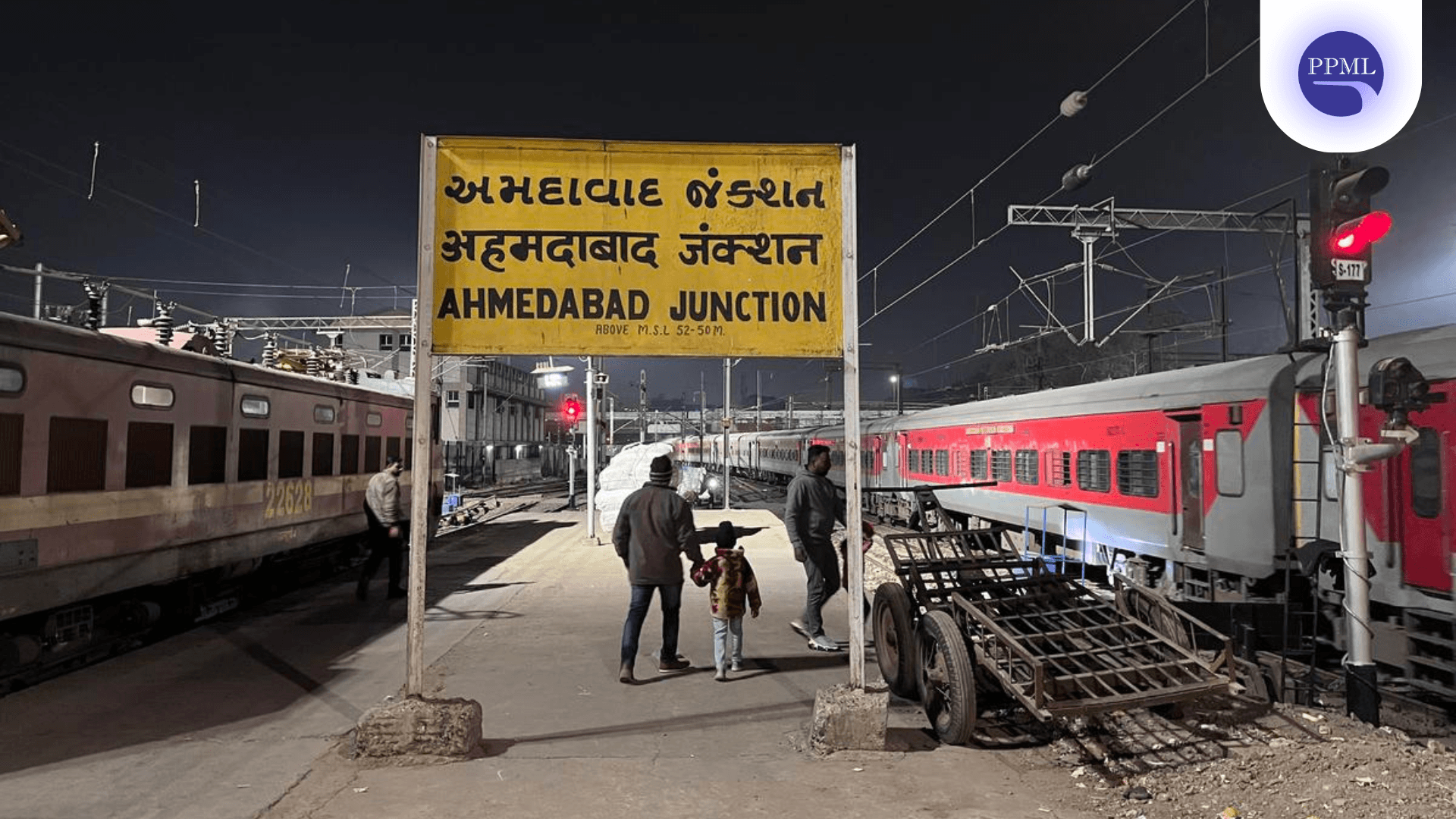
Moving 1,600 kilometres from the Hooghly to the Sabarmati isn’t just a change of address. It’s a genuine shift in how a city breathes – the pace, the food, the festivals, even the way people talk to strangers.
We’ve helped enough Kolkata families settle into Ahmedabad to know that the boxes and the truck are honestly the easier part. The harder part is arriving mentally prepared for a city that runs on a completely different rhythm than the one you’re leaving.
This guide covers both sides of that – the practical logistics of the move itself, and the cultural adjustment that catches people off guard more than they expect.
Table of Contents
ToggleThe City You’re Leaving isn’t the City You’re Landing In
Kolkata thrives on a certain unhurried intensity – long conversations over adda, a culture built around debate and poetry, a pace of life that rarely rushes anywhere unnecessarily.
Ahmedabad runs on something different entirely. It’s a city shaped by entrepreneurial energy, where time and efficiency genuinely matter, and where the civic infrastructure tends to be noticeably more organised than what you’re used to.
Food is probably the biggest daily adjustment. For most Kolkata households, food is emotional – fresh fish, mustard oil, a good mutton biryani on a Sunday.
Ahmedabad is predominantly vegetarian, shaped heavily by Jain and traditional Gujarati cooking. Your regular machher jhol swaps out for a proper Gujarati thali – dhokla, khandvi, thepla, dals with that distinct sweet edge Gujarati cooking is known for.
The good news is that Ahmedabad’s food scene has genuinely diversified in recent years; areas like Bodakdev and C.G. Road offer a fair amount of variety, and non-vegetarian ingredients aren’t impossible to find if you know which pockets to look in or which delivery apps carry them.
The festival calendar shifts too. Durga Puja anchors the year in Kolkata; in Ahmedabad, that same collective energy shows up during Navratri, when entire neighbourhoods dance through the night doing Garba.
And Uttarayan, the kite festival, genuinely stops the city for a day or two – skies filled with kites, rooftops full of people, a spectacle unlike anything Kolkata has as a direct equivalent.
None of this is better or worse than what you’re used to. It’s just different, and knowing that going in makes the adjustment considerably smoother than discovering it gradually and feeling a bit unmoored by it.
Building a Realistic Timeline
A move of this distance deserves a proper runway, not a rushed few days before departure. Here’s roughly how we’d structure it.
Around eight weeks out, start the real decluttering. Older Kolkata homes, especially in South and North Kolkata, tend to accumulate things over decades – heavy wooden furniture, stacks of books, brassware passed down through generations. Books and old documents are a good place to start; donating to a local library or one of the College Street stalls is far more useful than paying to transport them 1,600 km. It’s also worth sorting through your winter clothing at this stage. Ahmedabad’s climate is semi-arid with genuinely hot summers and short, mild winters, so those heavy woollens you’ve been carrying around Kolkata winters won’t see much use there – a light jacket or shawl covers what you’ll actually need.
Around six weeks out, lock in your movers. The single biggest mistake people make on a move this long is choosing purely on price. A journey across five or six state borders – West Bengal into Jharkhand, then Bihar or Odisha, Uttar Pradesh, Madhya Pradesh, finally into Gujarat – involves genuinely varied road conditions and multiple checkpoints, and it’s not the place to cut corners on who’s handling your belongings. Check for a company with proper IBA approval, an actual physical presence in both Kolkata and Ahmedabad, and comprehensive transit insurance. And always insist on an in-home survey rather than a phone estimate – nobody can accurately quote a move this size without actually seeing what they’re moving.
Around four weeks out, the paperwork phase begins. If you’re moving with children, start the transfer certificate process at their Kolkata school early, since this can take longer than expected. Update your bank KYC, sort out branch transfers if needed, and cancel local broadband or cable subscriptions with enough notice that you’re not paying for services you’ve already left. If you have pets, get a fitness certificate from your vet in Kolkata and look into whether Indian Railways or a specialised pet transport service fits your timeline better.
What Changes in Your Monthly Budget
Cost of living comparisons are never perfectly precise, but they give you a realistic sense of what to expect once you’re actually settled.
| Category | Kolkata | Ahmedabad | Practical Note |
|---|---|---|---|
| Housing rent | Lower to moderate | Moderate to higher | Premium Ahmedabad areas cost more but come with better amenities |
| Local transport | Very affordable (Metro, auto, buses) | Moderate (BRTS, Metro, auto) | Ahmedabad leans more on personal vehicles and auto-rickshaws |
| Utilities | Moderate (CESC/WBSEDCL) | Slightly higher (Torrent Power) | Summer AC use pushes Ahmedabad electricity bills up |
| Groceries | Economical | Economical to moderate | Dairy and produce are excellent in Gujarat; non-veg costs more |
| Domestic help | Highly affordable | Moderate | More structured, and correspondingly pricier, in Ahmedabad |
The broad takeaway is that Ahmedabad isn’t dramatically more expensive than Kolkata, but certain categories – electricity in particular, given the summer heat – do run higher, and it’s worth budgeting for that rather than assuming your monthly expenses will look identical.
Where to Actually Live
Choosing a neighbourhood in a new city sight unseen is genuinely hard, so here’s a rough map based on lifestyle and priorities.
If you’re working near GIFT City or along the S.G. Highway, Prahladnagar is worth a close look – well-planned, good high-rises, parks, and proximity to corporate offices. Bodakdev and Thaltej fall into a similar category, with premium housing, strong schools, and a genuinely good dining scene nearby.
If what you actually loved about Salt Lake or New Alipore was the sense of community rather than the specific address, Satellite is probably the closest equivalent in Ahmedabad – well-established, well-connected, good access to both traditional markets and schools.
Navrangpura and Paldi, closer to the older part of the city, tend to appeal to academics and professionals who want something a bit quieter and culturally rooted.
And if you’re moving for studies – NID, IIM, CEPT – or starting an entry-level role, Gota is a fast-growing, genuinely affordable pocket along the S.G. Highway, while Vastrapur, centred around the lake of the same name, offers good studio options, PG accommodation, and easy access to shopping.
Packing for a Very Different Climate on the Other End
The road transit itself typically takes 5 to 7 days, and your belongings spend that entire stretch dealing with vibration, speed bumps, and a genuine shift in climate along the way – Kolkata’s humidity giving way to Gujarat’s dry heat and dust by the time the truck arrives.
Electronics deserve particular care here. Pack TVs, computers, and audio systems in their original boxes if you’ve kept them, use anti-static bubble wrap, and drop silica gel packets inside to manage any residual moisture.
Wooden furniture needs a different kind of attention for the opposite reason – good teak or mahogany pieces that have lived comfortably in Kolkata’s humidity can actually warp or crack when suddenly exposed to Ahmedabad’s dry heat.
Wrapping these in multi-layer corrugated sheets followed by a stretch-film outer layer helps lock in a bit of ambient moisture and cushions the transition rather than letting it happen abruptly.
And as with any long-distance move, pack a proper survival box – basic utensils, toiletries, chargers, any regular medication, a change of clothes, and your important documents – and carry it with you on the flight or train rather than loading it onto the truck.
Your first 48 hours in a new city are hard enough without waiting on a delivery truck for a toothbrush.
Settling In Once You’ve Actually Arrived
The move isn’t really finished when the truck pulls up outside your new home – it’s finished a few weeks later, once the everyday systems are back in place.
Power in Ahmedabad runs largely through Torrent Power rather than CESC, so get the latest paid bill from your landlord early on to verify the meter reading and set up online payments before anything lapses.
Getting around looks different too – Ahmedabad’s BRTS network is a genuinely efficient dedicated bus lane system, the metro is expanding steadily, and auto-rickshaws are everywhere, generally running by meter or through the usual ride-hailing apps.
A couple of things worth knowing before you’re caught off guard by them. Gujarat is a dry state – if you want to consume alcohol legally, you’ll need to apply for a liquor permit online through the state’s prohibition department, using your out-of-state residential proof and travel documents.
And in many residential societies, especially older ones, there’s a preference for vegetarian tenants. It’s worth being upfront and respectful about this when you’re apartment hunting, rather than discovering the expectation after signing a lease.
People in Ahmedabad tend to be warm and genuinely welcoming to new families, and most of the adjustment period softens considerably once you’ve found your footing in a neighbourhood and built a bit of a routine.
Final Word
Leaving Kolkata is never entirely easy – the chai in clay cups, the Howrah Bridge through the morning mist, the particular warmth of the city stays with you regardless of where you go next.
But Ahmedabad offers its own kind of steadiness – organised infrastructure, genuine safety, and a city that rewards the kind of energy you bring to it.
If you’ve got a Kolkata to Ahmedabad move on the horizon, get in touch with Pradhan Packers and Movers – we’ll help you plan the logistics properly so you can spend your energy on the part that actually matters, settling into your new city with a bit of confidence.
PEOPLE ALSO ASK
A dedicated moving truck typically takes 5 to 7 days to cover the roughly 1,600 km route, depending on road conditions and stops along the way.
Yes, more than on a shorter or more climate-similar route. Kolkata’s humidity and Ahmedabad’s dry heat are quite different, and good teak or mahogany furniture needs proper layered packing to handle that transition without warping or cracking.
Broadly similar, with some differences. Housing and electricity tend to run a bit higher in Ahmedabad, especially in summer, while groceries and dairy are often more affordable given the state’s strong agricultural base.
Satellite, Navrangpura, and Paldi tend to appeal most to people who valued the community atmosphere of areas like Salt Lake or New Alipore.
Gujarat is a legally dry state. If you want to consume alcohol, you’ll need to apply for a liquor permit online through the state prohibition department using your out-of-state proof of residence.
A survival box with essentials for your first 48 hours – toiletries, medication, a change of clothes, chargers, and important documents – should always travel with you, not on the moving truck.


Leave a Reply