
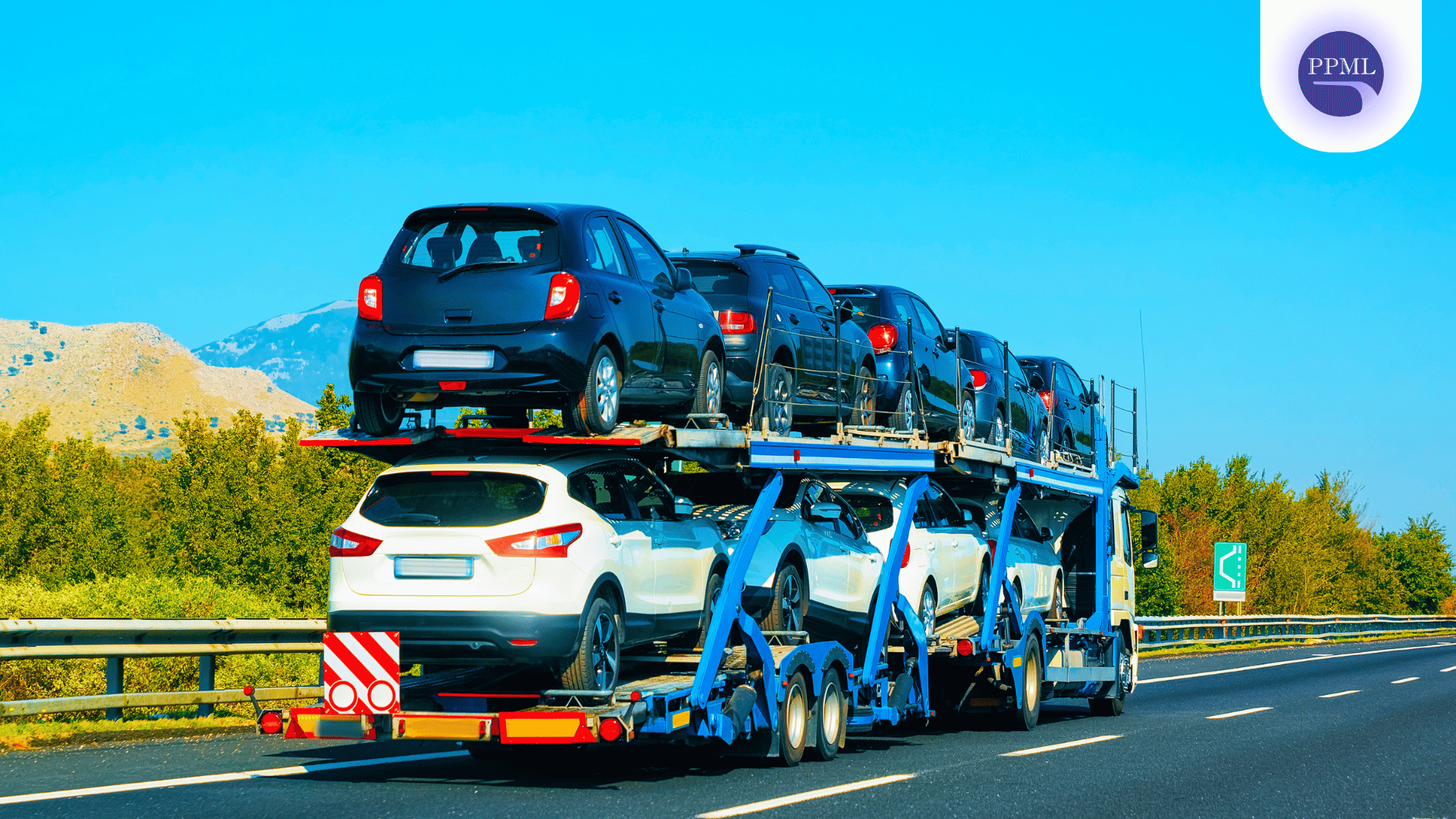
Most people spend days preparing household cartons before relocation but give their car only fifteen minutes of attention.
Then transport day arrives.
The carrier truck reaches the location. The driver asks for documents. Someone realizes the fuel tank is almost full. The FASTag is active. Random luggage is still inside the boot. The car has existing scratches nobody photographed.
And suddenly a process that looked simple becomes rushed.
Car transportation between cities sounds easy because you are not driving yourself. But intercity vehicle movement has its own checklist. Once your car leaves Kolkata and enters a multi-state route, you lose day-to-day control of the vehicle until delivery.
That is why preparation matters.
Whether you are relocating for work, moving your family, transferring to another city, or simply transporting your vehicle separately from household goods, preparing your car properly reduces delays, lowers damage risk, and makes delivery much smoother.
This guide covers exactly how to prepare your car for intercity carrier transport from Kolkata using practical steps that experienced relocation teams actually follow.
Table of Contents
ToggleWhy Car Preparation Matters Before Intercity Transport
People often assume damage only happens during driving.
In reality, most vehicle transport issues happen before movement even starts.
Typical problems include:
- Missing vehicle documents
- Loose accessories inside the car
- Improper fuel levels
- Existing dents not recorded
- Battery problems
- Last-minute address changes
- Delayed pickup coordination
- Personal belongings left inside
And these become more noticeable during long-distance routes from Kolkata to cities like Delhi, Bangalore, Mumbai, Pune, Hyderabad, Chennai, or Guwahati.
A prepared vehicle moves faster through pickup, loading, unloading, and delivery.
Step 1: Book Car Transport Early Instead of Waiting Until the Last Week
Intercity relocation becomes expensive when everything gets booked late.
Vehicle carriers also work on route schedules.
If possible:
- Confirm transportation 2-3 weeks earlier
- Finalize pickup location
- Verify delivery city and address
- Discuss estimated transit timeline
- Ask whether enclosed or open carriers are used
Early booking gives better scheduling flexibility.
This becomes especially useful during month-end relocation periods when demand rises across Kolkata.
Step 2: Clean Your Car Before Pickup
This sounds unnecessary at first.
But cleaning the car before transport is one of the easiest ways to identify existing dents, scratches, paint marks, and windshield damage.
Dust hides problems.
Wash:
- Exterior body – Remove dust and dirt so existing dents, paint chips, or scratches become clearly visible before transportation.
- Mirrors – Clean side and rear-view mirrors to inspect for minor cracks or marks that may otherwise go unnoticed.
- Roof – Since roofs are rarely checked daily, cleaning helps identify scratches, dents, or accumulated dirt before loading.
- Wheels – Inspect wheels and rims for existing scuffs or damage and ensure overall vehicle condition is recorded properly.
- Windows – Clean windows thoroughly to spot small cracks, chips, or marks and improve visibility during inspection.
After cleaning:
Capture:
- Front view – Photograph the front bumper, grille, headlights, and bonnet condition before pickup.
- Rear view – Capture rear panels, tail lights, and bumper condition for future reference.
- Both sides – Take complete side-angle photographs to document paint condition and existing marks.
- Dashboard – Record dashboard condition and visible warning indicators before handover.
- Odometer – Capture the mileage reading to maintain a transportation record.
- Existing scratches – Take close-up photos of any dents, scratches, or paint damage already present.
Store them safely for condition verification after delivery.
Store them safely. This becomes useful for condition verification during delivery.
Step 3: Remove Personal Belongings from the Vehicle
Many people use their car like extra luggage space.
Avoid that. Remove:
- Bags – Remove travel bags and loose items to avoid shifting or accidental damage during transport.
- Electronics – Carry laptops, gadgets, and electronic accessories separately instead of leaving them inside the vehicle.
- Chargers – Chargers and cables can move around and create unnecessary clutter inside the cabin.
- Documents – Keep personal and important papers with you rather than storing them in the vehicle.
- Sunglasses – Remove sunglasses and small personal items from dashboards and compartments.
- Water bottles – Avoid leakage risks during long-distance transportation.
- Child seats (unless approved) – Remove detachable child seats unless transport guidelines allow them.
- Decorative accessories – Hanging ornaments and decorative items may break during movement.
- Loose dashboard items – Empty dashboard trays and compartments to prevent rattling or damage.
During transport, movement and vibration may damage internal items. Some carriers also restrict transporting personal belongings inside vehicles. This is especially important for long interstate routes.
Step 4: Keep Fuel Between One-Fourth and One-Eighth Tank
- One of the most common mistakes.
- People either leave the tank full or nearly empty.
- Too much fuel increases weight.
- Too little fuel may create movement and operational issues during loading and unloading.
- Recommended level:
- Around 10–25% tank capacity.
- Enough for operational movement but not excessive.
For example: If transporting from Kolkata to Bangalore, your car does not need a full tank because it will travel on a carrier, not by driving.
Step 5: Check Battery, Brakes, and Tire Pressure
Carrier operators may need to move the vehicle several times during loading and unloading. If the car cannot start, delays begin immediately.
Basic checks:
- Battery condition – Ensure the battery can start the vehicle smoothly during loading and unloading.
- Tire pressure – Maintain recommended tire pressure for safe vehicle movement inside carrier operations.
- Brake functionality – Confirm brakes respond properly before vehicle handover.
- Engine startup – Start the engine once and check for unusual sounds or alerts.
- Hand brake operation – Verify the parking brake functions correctly for secure positioning.
- Fluid leakage inspection – Look for engine oil, coolant, brake fluid, or water leakage underneath the vehicle.
No need for full servicing unless required. But basic mobility should remain functional.
Step 6: Fold Mirrors and Secure External Accessories
Small external parts usually suffer first.
Protect:
- Side mirrors – Fold mirrors inward or protect them to reduce accidental impact risk.
- Roof accessories – Remove detachable roof racks or secure mounted accessories properly.
- Loose trims – Check external trims and clips so they do not loosen during transport.
- Antennas – Remove or secure antennas to avoid breakage.
- Decorative add-ons – Protect external decorative components that may scratch or detach.
- Mobile holders – Remove dashboard holders and cabin attachments before transportation.
If accessories are detachable, remove them. For premium vehicles or long interstate movement, extra protective wrapping may be used.
Step 7: Disable FASTag Auto Recharge if Required
People often forget this. If your route involves carrier movement only, discuss FASTag handling with the transport provider.
Sometimes:
- Carrier toll systems apply
- Vehicle FASTag remains unused
- Auto-deductions may occur depending on movement procedures
Verify before dispatch. This avoids confusion later.
Step 8: Carry and Verify Vehicle Documents
This is where transport day gets delayed most frequently.
Keep copies ready:
- RC (Registration Certificate) – Confirm registration details match the vehicle being transported.
- Insurance papers – Keep insurance copies ready in case verification becomes necessary.
- Government ID – Carry valid identification for pickup and delivery confirmation.
- Transport authorization if needed – Some movements may require additional authorization documents.
- Pickup confirmation – Keep booking details and transporter confirmation accessible.
Store originals separately unless specifically requested. Double-check names and destination details.
Step 9: Record Vehicle Condition During Pickup
Never skip inspection.
Before loading:
- Walk around vehicle – Conduct one final visual inspection before handover.
- Record scratches – Note visible dents, paint marks, or existing imperfections.
- Capture videos – Record a complete video of the vehicle from all sides.
- Note fuel level – Document the current fuel reading before dispatch.
- Check dashboard warnings – Ensure there are no active warning indicators.
- Verify handover details – Confirm transporter information, destination, and contact details.
Ask for condition acknowledgement. This process takes only a few minutes and prevents disputes later.
Step 10: Understand Transit Insurance Before Transportation
Insurance is one of those topics people ask about after a problem occurs.
Understand:
- Transit coverage limits – Check what level of protection is included under the policy.
- Claim process – Understand how and when claims can be submitted.
- Damage conditions – Review situations covered and excluded under insurance.
- Documentation requirements – Keep all necessary records and photographs ready.
Insurance becomes especially valuable for:
- Premium vehicles – Higher-value vehicles benefit from additional financial protection.
- Long-distance movement – Extended routes naturally involve more transportation variables.
- Multi-state routes – Multiple checkpoints and transfers may increase operational complexity.
- Seasonal relocation periods – Monsoon seasons and peak moving periods may increase transport risks.
Good preparation lowers risk. Insurance reduces uncertainty.
Typical Timeline for Car Transport Preparation
| Timeline | Preparation |
|---|---|
| 3–4 Weeks Before | Compare transport options |
| 2 Weeks Before | Confirm booking |
| 1 Week Before | Clean and inspect vehicle |
| 2–3 Days Before | Remove belongings |
| Pickup Day | Photograph and hand over |
Common Mistakes People Make During Intercity Car Transport
These issues happen more often than expected:
- Leaving valuables inside
- Full fuel tank
- No photos before loading
- Forgotten documents
- Last-minute booking
- Wrong delivery address
- Existing damage not recorded
- Assuming insurance is automatic
Most transportation issues are easier to prevent than fix later.
PEOPLE ALSO ASK
Try booking at least 2–3 weeks in advance to get better scheduling and transportation options.
Yes. Keep approximately one-fourth tank or less. Avoid both full and empty fuel levels.
It depends on transporter policies, but generally personal belongings inside vehicles are discouraged.
Transit insurance is recommended, especially for long-distance intercity movement.
Yes. Cleaning helps identify existing dents and allows proper condition documentation.
Usually RC, insurance copy, ID proof, and transport confirmation documents.
Transit depends on route, weather, distance, and scheduling. Long routes may require several days.
Enclosed carriers offer additional protection, especially for premium or sensitive vehicles.
Leave a Reply