
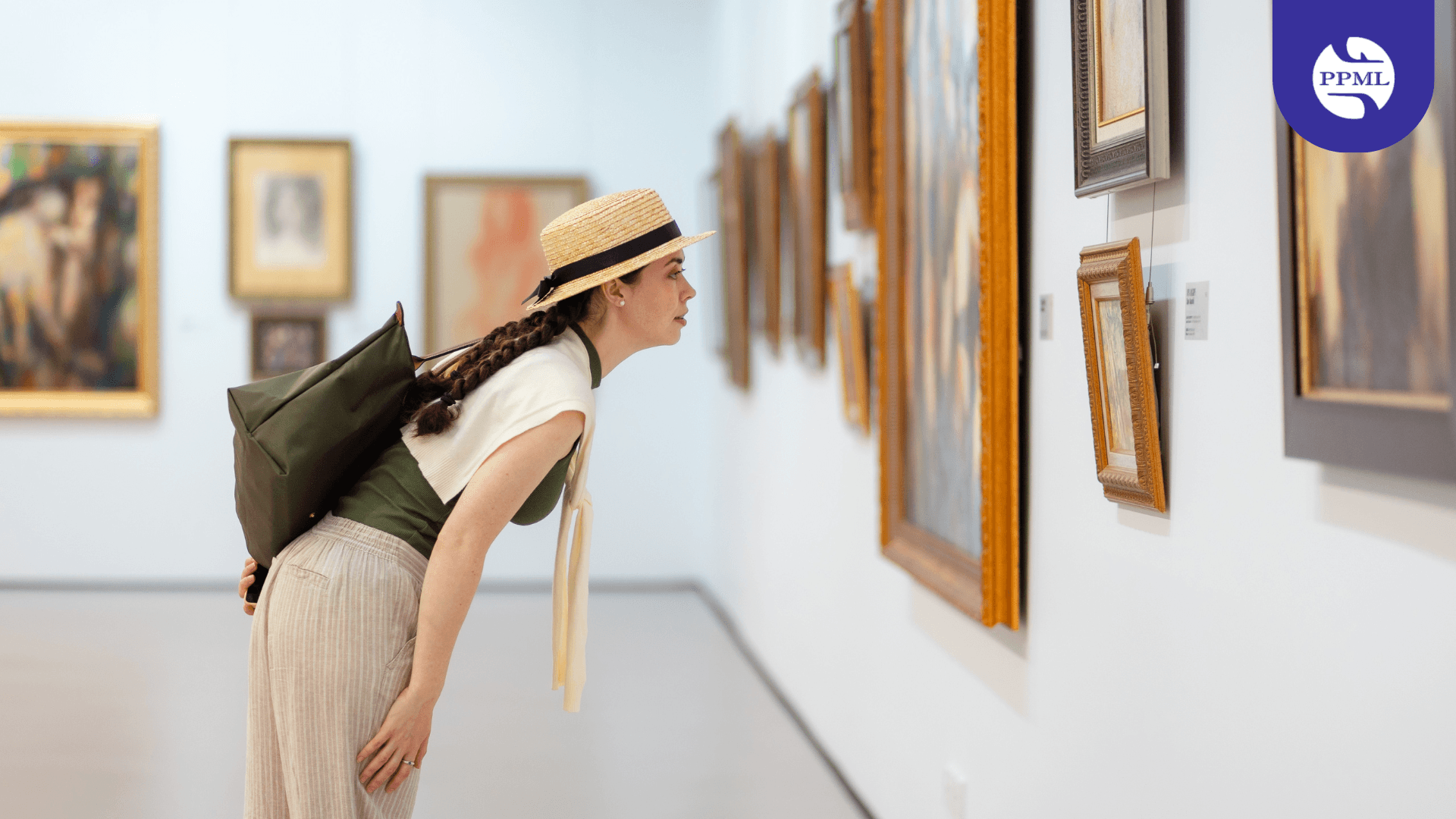
There’s a very specific kind of regret people have with artwork.
It’s not loud like a broken TV or a dented fridge.
It shows up later – when you unwrap the painting in a different country, under different light, and notice something feels off.
A slight warp. A faint line across the surface. A corner that doesn’t sit right anymore.
And the worst part? The packing probably looked “fine” when it left.
Sending paintings overseas is not about careful packing.
It’s about removing variables you don’t control – rough handling, long transit cycles, humidity shifts, stacking pressure.
If your fine arts packing doesn’t account for these, it’s incomplete, no matter how neat it looks.
Table of Contents
ToggleWhere Most Fine Arts Packing Actually Fails
Most people assume damage happens during transport.
It usually doesn’t.
It happens before pickup – when the painting is wrapped like a regular household item.
Newspaper used directly on the surface. Bubble wrap pressed too tightly against paint. No edge protection. Or worse, too much padding in the wrong places and none where it matters.
International shipping just exposes these mistakes. It doesn’t create them.
That’s why two paintings packed on the same day, moving through the same route, can arrive in completely different conditions.
Start With the Surface – This Is Non-Negotiable
Before you even think about boxes or wrapping, isolate the painting surface.
Use butter paper or acid-free tissue paper. Not newspaper. Not cloth. Not “whatever is available.”
This layer is not cushioning. It’s protection against friction and chemical transfer. Over long transit periods, materials react – especially with oil or acrylic surfaces. If you skip this, the damage won’t show immediately, but it will show.
If the painting has glass, tape it. Properly.
Not randomly – use a cross pattern across the surface. It doesn’t stop the glass from breaking. It controls what happens if it does. Without this, broken glass turns into a blade inside your package.
Most DIY packing skips this. That’s why glass-frame damage is so common.
Bubble Wrap – Everyone Uses It, Few Use It Right
Bubble wrap is not the solution. It’s one layer in the system.
Wrap the painting evenly. Don’t press too tight. Don’t leave it loose either. The goal is to create a soft buffer that absorbs impact without transferring pressure inward.
One mistake that shows up a lot – people wrap the front heavily and ignore the edges.
Edges are where damage starts.
If a painting gets hit, dropped, or stacked, the corners take the load first. If those aren’t protected, the rest of the wrapping doesn’t matter.
Structure Matters More Than Softness
This is where most DIY packing quietly fails.
After soft wrapping, you need rigidity. Corrugated sheets, rolls, or ideally a proper picture box. Something that prevents bending.
Because overseas shipments are not handled like fragile art. They’re handled like cargo.
Your painting will get stacked. Pressed. Shifted. Maybe held in a warehouse longer than expected. If your packaging can’t resist pressure, it will slowly give in.
For anything remotely valuable – crating is not “premium.” It’s basic protection.
A wooden crate removes most external risk. No bending. Minimal compression. Predictable structure.
People hesitate here because of cost. But this is usually the difference between “arrived safely” and “almost fine.”
Movement Inside the Box Is What Kills Paintings Slowly
Even if everything is wrapped well, internal movement can undo it.
If the painting shifts even slightly inside the box, it creates repeated micro-impacts. Not enough to break instantly, but enough to weaken joints, damage corners, or stress the canvas over time.
This is why professionals obsess over filling gaps.
Foam, paper, padding – whatever it takes to make sure the painting sits tight. Not compressed. Not loose. Just stable.
If you shake the box and feel movement, it’s not ready.
Labels Don’t Prevent Damage – But They Still Matter
“Fragile” stickers won’t magically make handlers careful.
But they do one important thing – they reduce rough handling at decision points. Loading, stacking, quick movements.
Also, label properly :
- Name
- Destination
- Package number (if multiple pieces)
- Orientation (this side up)
In international shipping, packages often get separated and regrouped. Identification is not a formality – it’s recovery insurance.
Overseas Changes Everything
Domestic moves are fast. Overseas moves are not.
Your painting might sit in a container, then a warehouse, then customs, then another facility. Temperature changes. Humidity changes. Time delays.
This is where moisture becomes a hidden problem.
Canvas absorbs. Wood expands slightly. Even small exposure over time can affect the artwork.
For serious shipments, people add moisture control (like silica gel) or barrier layers. Not always necessary for every piece, but ignoring environment completely is a mistake.
When DIY Stops Making Sense
There’s a point where doing it yourself stops being practical.
Not because the process is complicated – it’s actually quite mechanical – but because consistency matters.
One missed layer, one weak corner, one loose fit, and the system breaks.
That’s why collectors and galleries don’t experiment here. They standardize it. Crates, controlled packing, predictable outcomes.
Because once a painting is damaged, you don’t “fix” it. You live with it.
Final Thought
Packing paintings for overseas isn’t about being extra careful. It’s about being precise about risks.
Impact. Pressure. Movement. Environment.
If your packing addresses all four, the painting usually arrives fine.
If even one is ignored, the damage just waits until the right moment to show up.
PEOPLE ALSO ASK
Because paintings fail under pressure, not just impact. Regular packing protects from scratches, not structural stress or environmental exposure.
No. It handles shock, not compression. Without rigid support, the painting can still bend or warp.
If the painting has value (financial or personal), yes. Especially for international shipping where handling layers increase.
No. Ink transfer and moisture retention make it risky over long transit periods.
Tape the glass in a cross pattern, cover the surface, cushion it, and use rigid outer protection or a crate.
Fill all gaps with padding. The painting should sit tight without pressure but with zero free movement.
Leave a Reply