
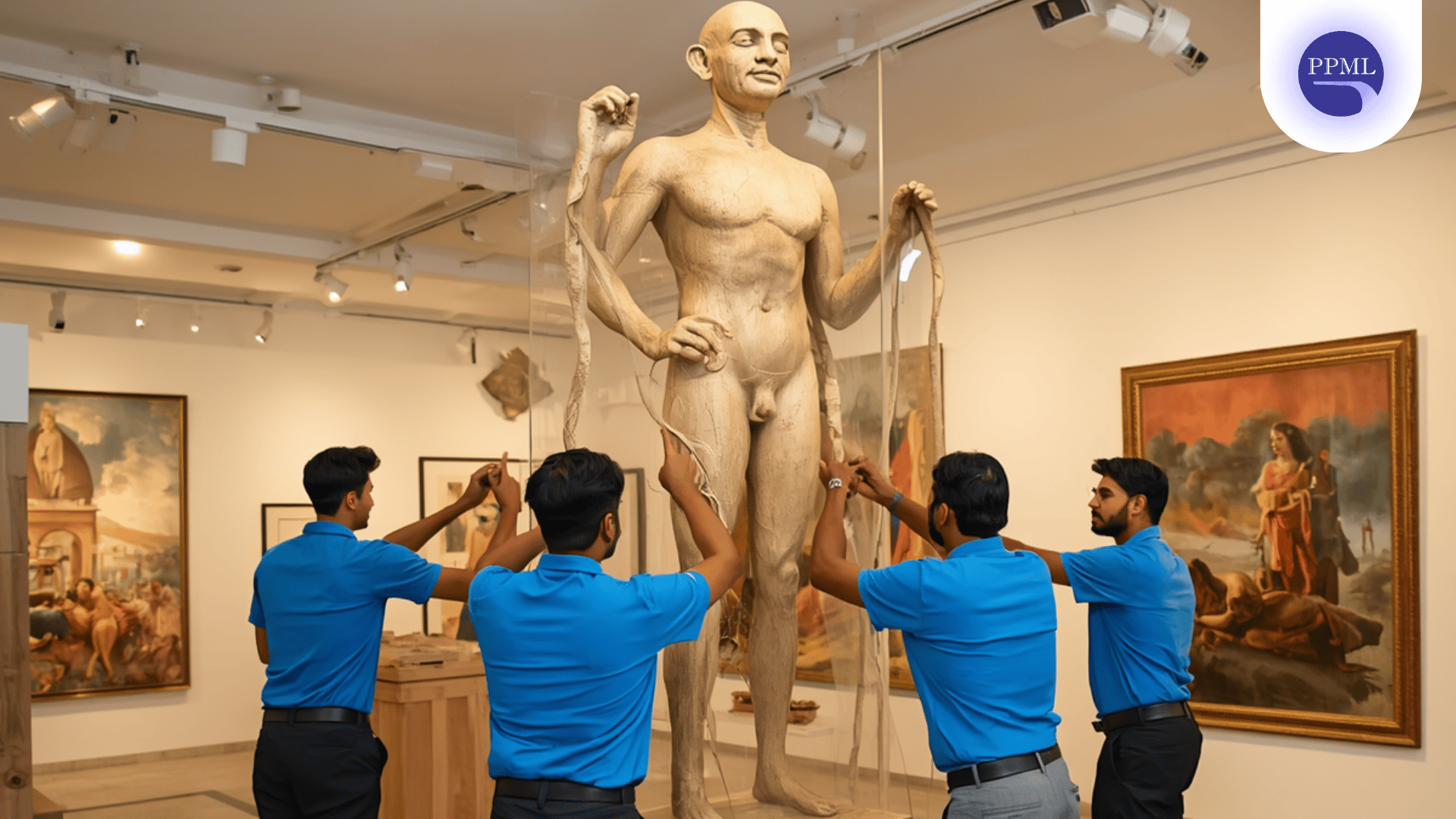
Fragile sculptures are often more than decorative pieces. They can hold artistic, emotional, historical, or financial value. Whether you are moving a personal collection, shipping artwork to a gallery, transporting museum exhibits, or planning a long-distance fine art moving project, protecting sculptures during transit should be your top priority.
Unlike regular household items, sculptures come in different materials, shapes, and sizes. Some are made from marble, ceramic, glass, resin, bronze, wood, or mixed materials. A minor impact, vibration, or pressure during transportation can result in cracks, scratches, or permanent damage.
This guide explains the best ways to pack and transport fragile sculptures safely so they arrive at their destination in the same condition they left.
Table of Contents
ToggleWhy Fragile Sculptures Need Special Packing
Many people assume wrapping a sculpture with bubble wrap is enough. Unfortunately, sculptures are often delicate and have uneven shapes that make them vulnerable during transportation.
Irregular Shapes : Sculptures often have extended arms, delicate edges, thin structures, or intricate designs that can break easily.
High Value : Many sculptures have significant financial or sentimental value, making damage costly.
Material Sensitivity : Glass, ceramic, and stone sculptures react differently to pressure, vibration, humidity, and temperature changes.
Long-Distance Transportation Risks : During interstate shifting, sculptures may experience multiple loading and unloading points, increasing the chance of damage.
Essential Packing Materials for Sculpture Transportation
Before packing any sculpture, gather the right supplies. Using poor-quality materials can increase transportation risks.
Acid-Free Paper : This protective paper prevents stains, discoloration, and surface damage during storage and transport.
Bubble Wrap : Multiple layers of bubble wrap absorb shocks and vibrations throughout the journey.
Foam Sheets : Foam provides additional cushioning and prevents direct contact between surfaces.
Packing Peanuts : These help fill empty spaces inside boxes and reduce movement during transportation.
Strong Cardboard Boxes : Durable boxes provide the first layer of protection against impacts.
Wooden Crates : Recommended for valuable sculptures and professional fine art moving projects.
High-Quality Packing Tape : Strong tape secures wrapping materials and keeps boxes sealed.
Plastic Stretch Wrap : Protects sculptures from moisture and dust.
Permanent Marker : Used to label boxes with handling instructions.
Step-by-Step Guide to Packing Fragile Sculptures
Following a proper process greatly reduces the risk of damage.
Step 1: Inspect and Document the Sculpture
Before packing, carefully inspect the sculpture from all angles.
Take Detailed Photos : Photograph every side of the sculpture to document its condition before transportation.
Record Existing Damage : Note any scratches, chips, or repairs that already exist.
Keep Documentation Safe : Photos can be useful for insurance claims if damage occurs during transport.
Step 2: Wrap the Sculpture with Acid-Free Paper
The first protective layer should always be acid-free paper.
Protect Delicate Surfaces : Acid-free paper prevents direct contact between the sculpture and other packing materials.
Avoid Chemical Reactions : Certain wrapping materials can affect sensitive surfaces over time.
Wrap the sculpture completely and secure the paper gently with tape.
Step 3: Add Multiple Layers of Cushioning
After applying acid-free paper, add cushioning material.
Use Bubble Wrap Generously : Cover the sculpture with several layers, especially around delicate sections.
Protect Fragile Protrusions : Arms, corners, edges, and decorative details require extra padding.
Secure Wrapping Properly : Use strong tape to keep cushioning firmly in place.
The goal is to create a protective barrier that absorbs impacts during movement.
Step 4: Choose the Right Box Size
Selecting the correct box is extremely important.
Avoid Tight Boxes : A box that is too small may place pressure on the sculpture.
Avoid Oversized Boxes : Too much empty space allows movement during transit.
Ideally, the box should provide several inches of clearance on all sides after the sculpture is wrapped.
Step 5: Add Cushioning Inside the Box
Before placing the sculpture inside the box, prepare the interior.
Create a Soft Base : Add foam sheets, packing paper, or packing peanuts to the bottom.
Reduce Movement : Fill all empty gaps around the sculpture once it is placed inside.
Ensure Stability : The sculpture should remain secure without shifting when the box is moved.
Step 6: Double Box for Extra Protection
Professional art handlers frequently use double-boxing.
Place the First Box Inside a Larger Box : This creates a second protective barrier.
Add Cushioning Between Boxes : Use foam, packing peanuts, or crumpled paper between the two boxes.
Increase Shock Absorption : Double-boxing significantly reduces impact damage during transportation.
This technique is highly recommended for expensive or irreplaceable sculptures.
Step 7: Seal and Label Properly
The final stage is sealing and labeling.
Seal All Openings Securely : Use heavy-duty packing tape on all edges.
Mark Fragile Clearly : Write “Fragile”, “Handle With Care”, and “This Side Up” on multiple sides.
Include Documentation : Add invoices, certificates of authenticity, or insurance documents if required.
When Should You Use Wooden Crates?
For high-value artwork, cardboard boxes may not provide sufficient protection.
Museum Exhibits : Valuable sculptures often require custom-built wooden crates.
International Shipping : Additional protection is useful when artwork passes through multiple handling points.
Large Sculptures : Heavy sculptures require stronger structural support than cardboard can provide.
Collector Pieces : Rare and expensive artwork deserves premium packaging.
Custom crates are often considered the safest option in professional fine art moving services.
Transportation Tips for Fragile Sculptures
Packing is only part of the process. Proper transportation also matters.
Keep the Sculpture Upright : Position sculptures according to their natural orientation to reduce stress on weak points.
Avoid Heavy Loads on Top : Never place other boxes or furniture over sculpture packages.
Secure During Transit : Use straps and supports to prevent movement inside the vehicle.
Choose Climate-Sensitive Transport When Needed : Some sculptures react poorly to humidity and temperature fluctuations.
Inspect Upon Delivery : Open the package carefully and compare the condition with pre-shipping photographs.
Common Mistakes People Make While Packing Sculptures
Many damages occur because of avoidable packing errors.
Using Newspaper Directly on Artwork : Ink can transfer onto the sculpture surface.
Using Too Little Cushioning : Thin protection often fails during long journeys.
Choosing the Wrong Box Size : Oversized boxes increase movement-related damage.
Ignoring Fragile Areas : Delicate sections require additional reinforcement.
Skipping Documentation : Without photographs, proving transit damage becomes difficult.
Not Double Boxing Valuable Pieces : Single-box protection may not be sufficient for expensive sculptures.
Environmental Factors That Can Damage Sculptures
Physical impacts are not the only threat.
Humidity : Excess moisture can damage wood, metal, and mixed-material sculptures.
Temperature Changes : Extreme heat or cold may affect adhesives, finishes, and coatings.
Dust Exposure : Dust particles can scratch sensitive surfaces during movement.
Water Damage : Rain or accidental moisture exposure can cause permanent deterioration.
For valuable collections, climate-controlled storage solutions may be beneficial before or after transportation.
Expert Tips for Fine Art Transportation
Fine Art Moving : Always use professional-grade packing materials when handling valuable sculptures and artwork.
Storage Solutions : Store sculptures in climate-controlled environments if transportation is delayed.
Packing Guide : Follow a structured packing process rather than improvising with household materials.
Moving Tips : Label every package clearly and document artwork before transit.
Relocation Services : For expensive collections, consider professional art transportation specialists.
Conclusion
Packing and transporting fragile sculptures safely requires patience, planning, and the right materials. A sculpture may survive years on display but suffer damage during a single careless move. That is why proper wrapping, cushioning, boxing, and transportation techniques are essential.
Whether you are moving a family heirloom, a gallery exhibit, or a valuable collector’s piece, investing time in proper packing significantly reduces risks. Using acid-free paper, quality cushioning, double-boxing methods, and protective crates when necessary can help ensure your sculpture reaches its destination safely and remains in perfect condition for years to come.
PEOPLE ALSO ASK
Start with acid-free paper, add multiple layers of bubble wrap, place the sculpture in a properly sized box, fill empty spaces with cushioning material, and consider double-boxing for additional protection.
The safest method involves professional packing, wooden crates for valuable pieces, proper labeling, and secure transportation that prevents movement during transit.
Yes. Double-boxing provides an additional layer of impact protection and is highly recommended for fragile or expensive sculptures.
Bubble wrap itself is generally safe when used over acid-free paper. Direct contact with sensitive surfaces should be avoided for long-term storage.
Wooden crates are not always necessary, but they provide maximum protection for valuable, large, antique, or museum-quality sculptures.
Use professional-grade packing materials, secure the sculpture properly, minimize movement inside the package, and ensure careful handling throughout transportation.
Leave a Reply